
Vandaag of morgen in huis

Kwaliteit gegarandeerd

Welkomstaanbiedingen ontgrendelen: GRATIS bezorging | Tot 80% korting | Gratis 30 dagen JoyPlus-proefperiode
Download de app
A good kitchen knife should suit the way you cook, not just look good in a marketing photo. Wüsthof kitchen knives come in a range of collections, steel types, handles and blade lengths. That makes them useful to compare, but not always easy to choose between.
Many buyers focus mainly on a keen price or a striking black design. As a result, some important questions go unanswered: is the knife suitable for everyday use, how should you care for it, and does the blade length suit your chopping board and technique?
A Damascus kitchen knife stands out thanks to its layered appearance. But the pattern doesn’t automatically determine how well the knife cuts. Consider the blade length, handle, cutting angle and care requirements too. For example, various models in the Wüsthof Performer range use steel with a DLC coating. According to Wüsthof’s product information, the coating is designed to provide hardness and a non-stick surface. That doesn’t mean the knife needs no care.
A 20 cm Wüsthof chef’s knife gives you plenty of room to work with large vegetables, herbs and meat. However, a 16 cm knife may be easier to handle if you have smaller hands or a compact kitchen. A longer knife isn’t automatically more practical. So check both the blade length and the knife’s overall length.
Some models are described as dishwasher-safe, but hand washing is often recommended to help keep the blade, coating and handle in good condition for longer. According to the product information, a Wüsthof Classic Ikon bread knife and various Classic models are intended to be hand-washed. The Performer Vegetable Knife also specifies hand washing to protect its DLC coating.
Many Wüsthof models use X50CrMoV15 stainless steel. This type of steel is practical for everyday cooking: it resists rust with normal use and is easy to care for. Check the cutting angle too. Several Classic and Classic Ikon models are listed with an angle of 14 degrees per side.
According to Wüsthof’s own product information, laser-guided sharpening processes can help produce a sharp edge. Treat this as a product specification, not a guarantee that the knife will stay sharp in every situation. Cut on wood or plastic, avoid glass and stone, and use a honing steel or whetstone suited to the cutting angle from time to time.
An ergonomic handle should feel secure without making you grip it tightly. According to the product description, the Performer range has a Hexagon-Power-Grip handle. Various models in the Classic Ikon range have a synthetic handle with a full-tang construction. Focus on grip, balance and weight. These are personal considerations that depend on the size of your hands and your cutting technique.
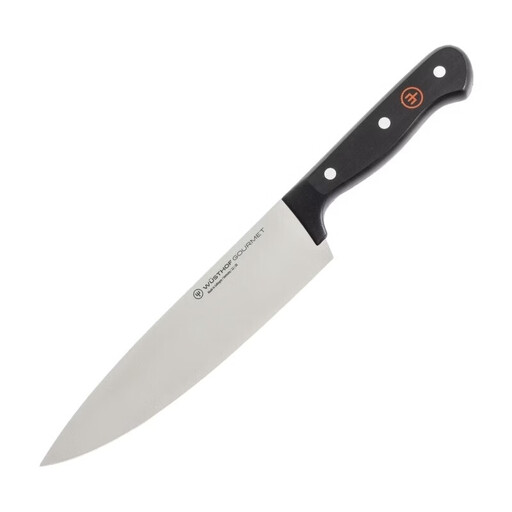
Why it suits this user: A practical Wüsthof chef’s knife for anyone looking for one versatile knife for slicing, chopping and dicing.
The 20 cm stainless steel blade means you won’t need to buy a separate set of knives straight away. Hand washing is recommended to help the knife last longer.
20 cm blade, synthetic handle, suitable for slicing, chopping and dicing.
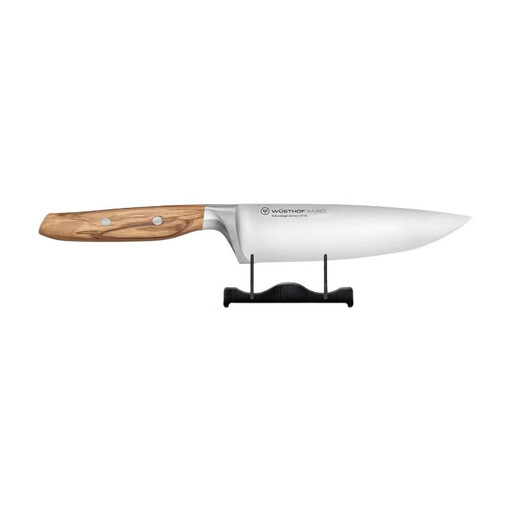
Why it suits this user: Aimed at cooking enthusiasts who value balance, choice of materials and a comfortable handle.
The specifications list X50CrMoV15 steel, a 20 cm blade and a wooden olive wood handle. This makes it easier to compare the design and materials in practical terms.
14-degree cutting angle per side, 58 HRC according to the product information, and a half bolster for control.
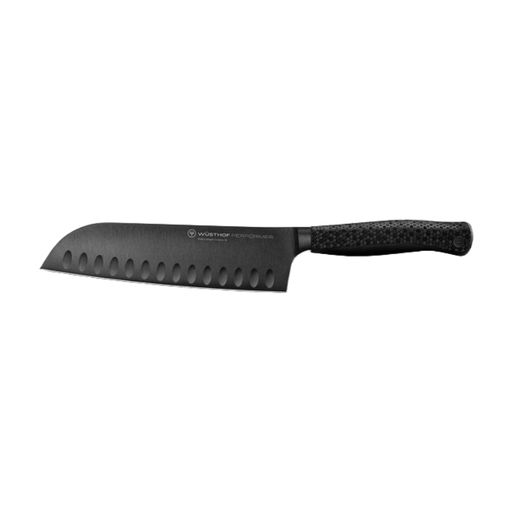
Why it suits this user: A good choice for chefs, catering professionals and home cooks who regularly prepare vegetables, fish, meat and seafood.
The 17 cm blade is more specialised than a large chef’s knife. The product information recommends hand washing and drying after use to avoid unnecessary damage from the dishwasher.
17 cm Damascus steel blade, ergonomic synthetic handle and suitable for a variety of ingredients.
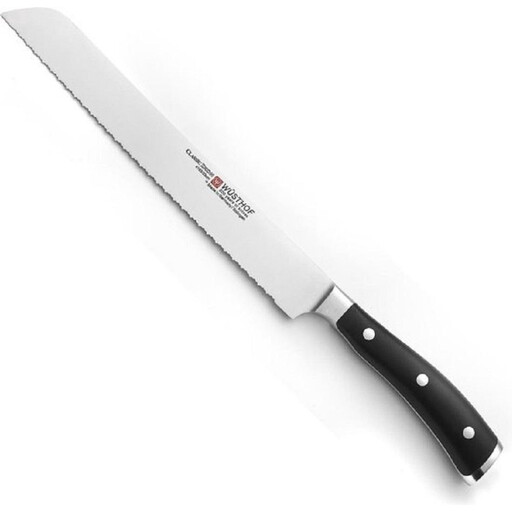
Why it suits this user: Designed for bread, cake and soft or firm ingredients where a serrated blade comes in handy.
The 23 cm double-serrated blade is designed for even slicing. Hand washing and using a soft cutting board help protect the edge.
23 cm blade, Classic Ikon construction, suitable for bread and cake, with a half bolster for control.
We’ve put together a complete, up-to-date list of products that meet these strict selection criteria and the applicable European safety regulations.
According to the EU consumer information provided, these products come with a statutory warranty of at least two years. When buying, always check the current product page for details about the seller, returns policy and any additional rights.
A 16 cm blade is often nimble when preparing smaller ingredients and working on compact worktops. A 20 cm knife gives you more cutting area for large vegetables, bunches of herbs and meat. Choose according to your hand size, cutting board and everyday cooking.
A Wüsthof bread knife with a 20–23 cm blade is suitable for standard loaves and cakes. The 23 cm Classic Ikon has a double-serrated blade. The Gourmet range is a practical option if you’re looking for a lightweight knife that’s easy to clean.
It depends on how you use it, your cutting board, the foods you prepare and how you care for it. A stainless steel kitchen knife will generally stay usable for longer if you avoid hard surfaces and have the edge maintained regularly. No knife stays sharp indefinitely without sharpening.
