
Vandaag of morgen in huis

Kwaliteit gegarandeerd

Welkomstaanbiedingen ontgrendelen: GRATIS bezorging | Tot 80% korting | Gratis 30 dagen JoyPlus-proefperiode
Download de app
A good kitchen knife is an investment. When searching for a premium knife, such as a Wüsthof Classic Ikon santoku, you'll encounter a lot of marketing jargon and seemingly similar models. Unfortunately, this often leads to a purchase that proves disappointing after just a few months. Many knives look professional but quickly lose their edge or turn out to be impractical to use. Before you make a decision, it's helpful to recognise the most common pitfalls.
To avoid a poor purchase, it's wise to pay attention to a few concrete specifications. These characteristics determine the performance and lifespan of a professional kitchen knife.
The manufacturing method is one of the most important indicators of quality.
The term stainless steel santoku knife covers a broad category. For premium knives, a specific alloy is often used. Wüsthof, for example, uses X50CrMoV15, a high-quality German kitchen knife steel. This type of steel is known for its excellent balance between:
A knife should feel like an extension of your hand. A 17 cm santoku knife is a popular and versatile size suitable for most cutting tasks, from mincing herbs to filleting fish. Pay attention to the following points:
Not everyone needs the same knife. Below is a selection tailored to different needs and cooking styles.

Why This Fits Their Persona: This is the ideal choice for those who invest in durability and performance. Perfect for the serious home chef seeking a reliable and versatile knife for daily, intensive use.
This knife is a forged chef's knife made from a single piece of X50CrMoV15 steel. The seamless, ergonomic handle prevents hygiene issues, and its 'Made in Germany' origin guarantees craftsmanship.
Exceptional balance and control thanks to the half bolster. According to Wüsthof, the PEtec sharpening technology provides a 20% sharper edge and superior edge retention.
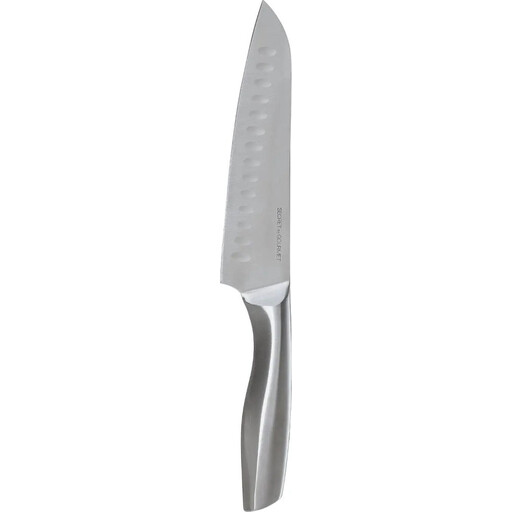
Why This Fits Their Persona: For the cook who wants a robust, forged knife without too many frills. The all-stainless steel design is functional and maintenance is straightforward.
This knife is explicitly "fully forged from a single piece," thus avoiding the pitfall of cheaper, stamped knives. The stainless steel design is seamless and therefore hygienic.
Full stainless steel construction. The knife is dishwasher-safe, which is a plus for those who value convenience (though hand-washing is always preferred for edge retention).
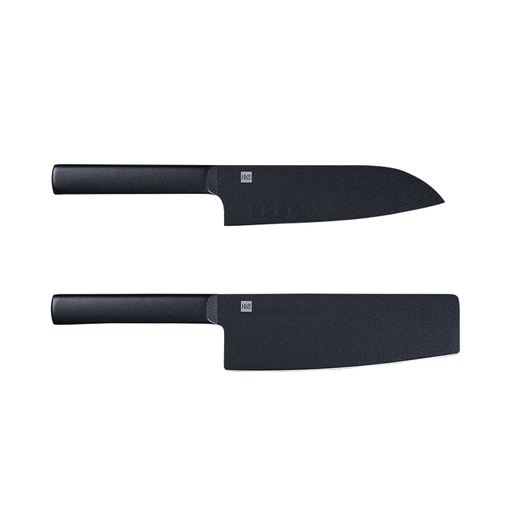
Why This Fits Their Persona: An excellent option for those seeking a sharp, functional knife with modern features, without the budget for a premium German brand.
This knife specifies its steel type (50Cr15MoV), which is clearer than a vague 'stainless steel' claim. The nano non-stick coating is a practical addition that makes slicing and cleaning easier.
The combination of high-carbon steel and a food-safe non-stick coating offers good performance and ease of maintenance at an accessible price point.
We have compiled a complete, up-to-date list of products that fully meet these strict selection criteria and UK safety regulations.
While both knives are all-rounders, there are some differences. A traditional European chef's knife has a more curved blade, which is ideal for a "rocking" cutting motion. A santoku knife has a straighter blade and a rounded 'sheepsfoot' tip. This makes the knife well-suited for making thin slices and chopping motions. The hollow-edge indentations (grantons) on many santoku knives, like the Wüsthof Classic Ikon, help prevent food from sticking to the blade.
To guarantee the lifespan and sharpness of a premium knife, hand-washing is strongly recommended. Aggressive dishwasher detergents and contact with other cutlery can damage the blade. Dry the knife immediately after washing. Use a honing steel regularly to keep the edge straight, and have the knife professionally sharpened or use a high-quality sharpener when it starts to feel dull.
A blade length of 17 cm is generally considered the most versatile and user-friendly size for a santoku knife. It's long enough for larger tasks, like slicing a cabbage, yet compact and nimble enough for mincing garlic or herbs. For most home cooks, this is an excellent starting point and often the only knife they'll need for 90% of their cutting tasks.
