
Vandaag of morgen in huis

Kwaliteit gegarandeerd

Welkomstaanbiedingen ontgrendelen: GRATIS bezorging | Tot 80% korting | Gratis 30 dagen JoyPlus-proefperiode
Download de app
We've all been there: a new set of pens starts leaking after just a week, felt-tip pens dry out instantly, or pencil tips constantly break. Choosing the right writing instruments can be a frustrating quest. Many products make grand promises but fail to deliver in practice. This not only leads to wasted money but also unnecessary frustration during work, study, or creative projects.
Before you make a purchase, it's helpful to know what to look for. We'll discuss a few common pitfalls and provide practical tips to help you make the right choice for your specific needs, whether it's for school, the office, or a creative hobby.
The range of writing instruments is enormous. To avoid buyer's remorse, it's useful to check three basic elements: the tip type, the ink or lead, and the ergonomics.
The type of tip determines what a pen or marker is best suited for.
The composition of the ink or lead is crucial for ease of use.
A pen that doesn't sit comfortably in your hand can cause cramping and fatigue.
To help you with your choice, we have highlighted a few products that fit specific user profiles.
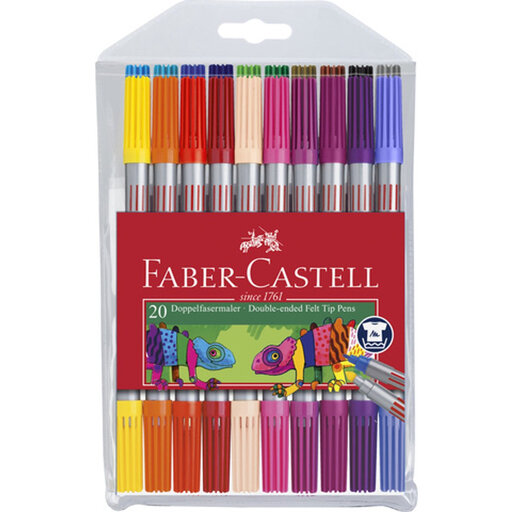
Why This Fits Their Persona: This set is practical for children who love to colour and draw. The dual tip offers flexibility: a broad tip for large areas and a fine tip for details. Ideal for various craft projects.
The ink is water-based and, according to the manufacturer Faber-Castell, washable from most fabrics. This prevents the frustration of permanent stains on clothing, a common problem with kids' craft supplies.
Two-in-one functionality with a broad and fine tip. The water-based ink is a practical feature for use by children.
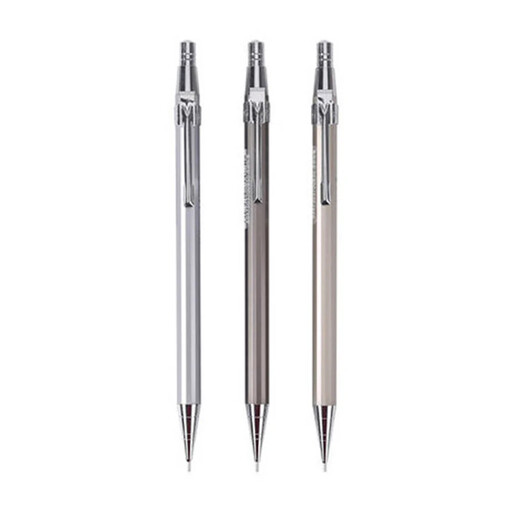
Why This Fits Their Persona: For those who write a lot daily, a reliable and comfortable pencil is essential. This set of mechanical pencils is designed for precision and durability, ideal for taking notes or making technical sketches.
Instead of a cheap plastic barrel that feels uncomfortable, this pencil has a solid metal body. This provides a balanced weight and better control, reducing hand fatigue during prolonged use.
The 0.5 mm tip delivers sharp, consistent lines. The metal construction offers a durable alternative to disposable pencils.

Why This Fits Their Persona: This set is perfect for creative pursuits like hand lettering, bullet journaling, and illustrating. The flexible tip makes it possible to create fluid lines with varying thicknesses.
Many standard markers are marketed as 'creative' but lack the functionality for artistic techniques. These brush pens are specifically designed with a flexible brush tip, allowing you to actually apply line variation—something that isn't possible with a regular felt-tip pen.
The brush tip enables dynamic lines, from thick to thin. According to the manufacturer, the ink is based on food-grade dyes and is washable.
We have compiled a complete, up-to-date list of products that meet these selection criteria and comply with current regulations.
How do I prevent markers and pens from drying out? The easiest way is to always place the cap back on the pen securely immediately after use. Preferably, store pens and markers horizontally. This ensures the ink is distributed evenly across the tip and prevents it from drying out on one side.
What is the difference between HB, 2B, and other pencil grades? The letter H stands for 'hardness' and B for 'blackness'. An HB pencil is the middle ground and suitable for general writing. Pencils with a higher H number (e.g., 2H) are harder and produce lighter lines, ideal for technical drawings. Pencils with a higher B number (e.g., 2B, 6B) are softer, leave a darker mark, and are better suited for sketching and artistic drawing supplies.
Are all water-based inks washable? Not necessarily. Although water-based ink is generally easier to remove than alcohol- or oil-based ink, it's not a guarantee of complete washability. Manufacturers like Faber-Castell often state specifically on the packaging whether the ink is washable and from which types of fabric. It is always wise to check this on the product information.
