
Vandaag of morgen in huis

Kwaliteit gegarandeerd

Welkomstaanbiedingen ontgrendelen: GRATIS bezorging | Tot 80% korting | Gratis 30 dagen JoyPlus-proefperiode
Download de app
Having the right tool for the job makes all the difference. A stripped bolt or a nut that’s just out of reach can turn a simple task into a frustrating afternoon. Whether you're a professional technician or a serious DIY enthusiast, choosing the right wrench set is crucial for the efficiency and quality of your work.
This article serves as a practical guide. We'll cover the key considerations when selecting tools and highlight several popular choices suitable for various applications, from plumbing to automotive repairs.
The market offers a vast array of wrenches. To make an informed decision, it's helpful to pay attention to a few specific features.
A wrench's durability largely depends on its material. Many professional-grade tools are made from Chrome Vanadium Steel (Cr-V). This material is known for its strength and wear resistance, allowing it to withstand high torque without deforming. The finish is equally important. A black oxide or chrome coating not only provides a sleek look but also protects the steel from rust and corrosion, significantly extending the lifespan of your tools.
Not every wrench is suitable for every task. The three most common types each have their own advantages:
A complete workshop often includes a combination of these types, supplemented by a good socket set for added flexibility.
Pay attention to details that make the job easier. A handle with a good grip prevents the wrench from slipping out of your hands. For a ratcheting wrench, the tooth count of the mechanism is important: more teeth mean a smaller swing arc, which is crucial in confined spaces. Extras like a clearly legible scale on an adjustable wrench or a built-in LED light on an electric model can make all the difference.
Based on product specifications and applications, we have selected a few options for you.
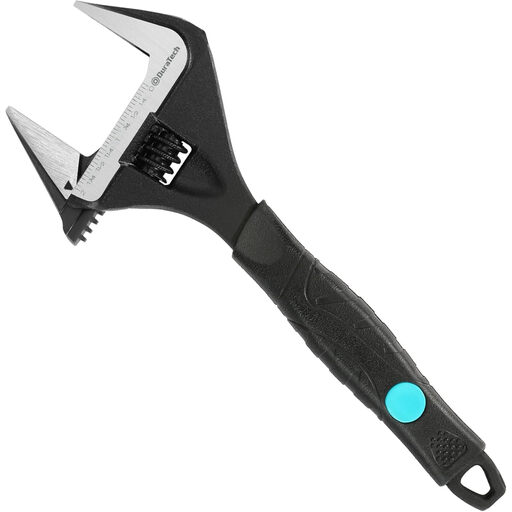
Why It Stands Out This adjustable wrench is distinguished by its extra-wide jaw opening. With a 50 mm capacity, it can handle larger nuts and pipes than a traditional wrench of the same size.
Key Features
Who It's For Ideal for plumbers, mechanics, and DIYers looking for a single, flexible wrench for a wide range of jobs, especially when working with larger fittings and bolts.
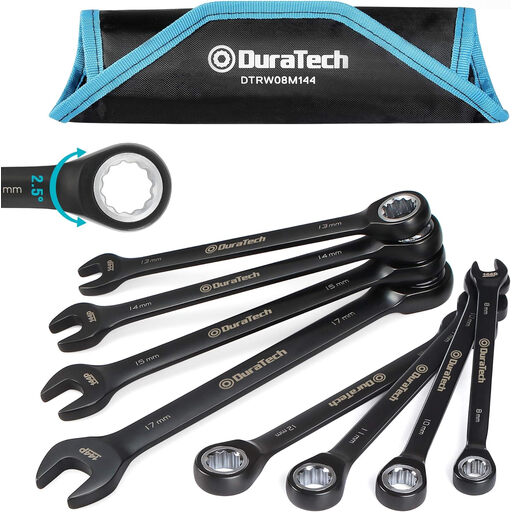
Why It Stands Out The 144-tooth ratcheting mechanism is its key feature. It provides a very small swing arc of just 2.5 degrees, allowing you to work efficiently even in the tightest spaces.
Key Features
Who It's For An excellent choice for automotive professionals and serious hobbyists who frequently work in engine bays, behind dashboards, or in other hard-to-reach places.
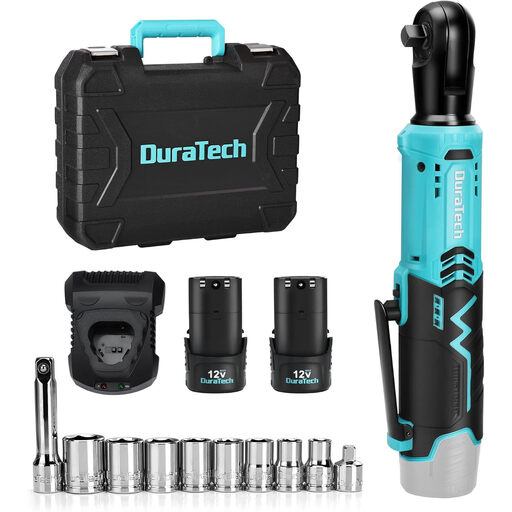
Why It Stands Out This set combines the functionality of a ratchet with the power of a cordless motor. With 65 Nm of torque, it significantly speeds up the fastening and loosening of nuts and bolts, saving time and effort.
Key Features
Who It's For The professional or demanding DIYer who performs a lot of fastening work daily. Perfect for assembly lines, automotive maintenance, and other repetitive tasks where speed is essential.
A good wrench set is fundamental, but many projects require more. Besides professional-grade tools, are you also looking for specific materials for your workshop or a custom project? Consider, for example, a sturdy black metal sheet for a workbench or a repair panel.
Explore our range of materials and find what you need for your next job.
A 12-point socket is easier to position on a bolt head, which is useful in tight or low-visibility areas. A 6-point socket, on the other hand, provides more contact surface with the sides of the bolt head. This reduces the risk of 'rounding' the corners and is the recommended choice for loosening very stubborn or damaged bolts.
Generally, yes. More teeth in the ratcheting mechanism, such as 72, 90, or even 144, results in a smaller swing arc. This means you need to move the handle less to get to the next 'click'. In tight engine bays where movement is restricted, this is a major advantage. For work in open spaces, the difference is less noticeable.
Proper maintenance is simple. Clean and dry the wrenches after each use to remove dirt and moisture. Store them in a dry environment, preferably in the supplied case or storage pouch. For extra protection, especially for tools you don't use daily, you can occasionally spray them with a thin layer of corrosion-inhibiting spray or oil.
