
Vandaag of morgen in huis

Kwaliteit gegarandeerd

Welkomstaanbiedingen ontgrendelen: GRATIS bezorging | Tot 80% korting | Gratis 30 dagen JoyPlus-proefperiode
Download de app
A dish can be transformed in an instant with the right Mexican spice blend, sambal or salsa sauce. Yet the choice is vast, and packaging can sometimes promise more than the ingredients deliver. If you only look at a flashy name or a heat rating, you could end up with a product that’s too salty, doesn’t suit the dish, or sits unused in the kitchen cupboard for months.
That’s why it’s worth paying attention to three common pitfalls:
First, look at the order of ingredients. It’s listed on the label from largest to smallest quantity. A Santa Maria Mexican Taco Spice Mix, for example, contains cumin (26%), onion (19%), chilli powder (18%) and garlic (15%). According to the product information, the mix contains no added salt or sugar. This means you can build the flavour yourself.
Other varieties are already fully seasoned. The Santa Maria Enchilada Seasoning Mix contains 18g of salt per 100g, according to the label. That’s not necessarily a problem, but taste before you add any extra salt. Thai spice blends, jerk seasoning or chilli con carne mixes can also contain sugar, flavour enhancers or thickeners. Keeping this in mind will help you avoid a result that’s too sweet or too salty.
Not every chilli tastes the same. Guajillo and ancho-style chillies provide a spicy pepper base. Chipotle adds a smoky note. Sambal and pure hot chilli are better when you want to add extra heat in controlled amounts.
Look out for terms like medium, hot or spicy, but treat them as a guide. The actual experience depends on how much you use and what you’re cooking. A sauce with tomato, onion and vinegar can come across differently to dry chilli powder. Start with a small amount and add more later.
A small sachet of 25 to 28g is fine for occasional cooking. For frequent users, packs of 100g, 290ml or 454g are more practical. Do work out how much you’ll actually use; a large pack isn’t good value if the aroma fades once opened.
Always check the current label for allergens. Lobo Roast Red Pork Seasoning Mix contains soya and wheat according to the product information, while Cape Herb & Spice Portuguese Peri Peri lists mustard among its ingredients. Store spices and sauces sealed, in a dry place away from direct sunlight. Once opened, salsa should be kept in the fridge and used within four weeks, according to Herdez’s product information.
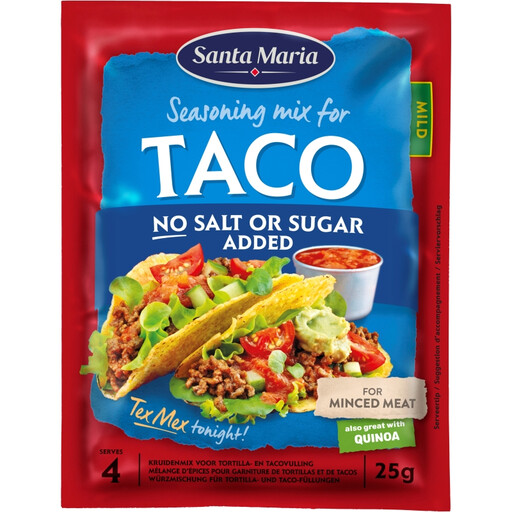
Why it fits this profile: A compact sachet for tacos and burritos when you want to start without a big stock. According to the product information, the mix contains no added salt, sugar or other additives.
The portion-sized pack limits waste, and the stated composition makes it easier to add your own salt and sweetness.
25g; with cumin, onion, chilli pepper, garlic and oregano; suitable for taco and burrito fillings.
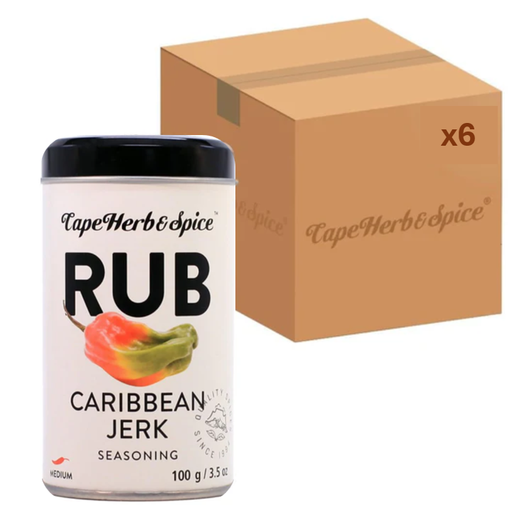
Why it fits this profile: A multipack for anyone who regularly grills, roasts or barbecues meat, chicken, fish or vegetables.
The pack states a medium chilli level, so you’re not relying solely on a general term like ‘spicy’.
Six packs of 100g; contains allspice, chilli, thyme, cinnamon and pimento; designed as a rub for multiple cooking methods.
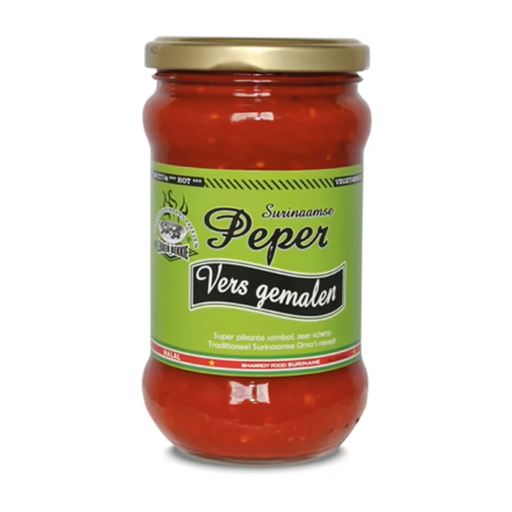
Why it fits this profile: For fans of a ready-to-use, very hot sambal with rice tables, potato dishes, pasta and snacks.
The product information explicitly describes a very hot sambal and states 92% fresh Surinamese peppers. This makes it clear it’s not a mild table sauce.
290ml; ready to use; ingredients list with fresh peppers, salt, vinegar and preservative.
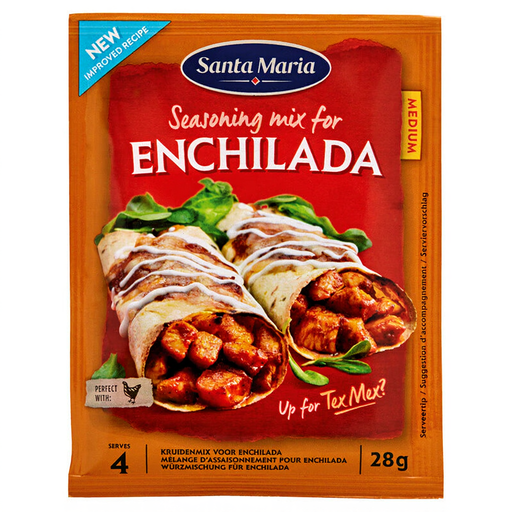
Why it fits this profile: Suitable for enchiladas with tortillas, tomato sauce and toppings like salsa or guacamole.
The intended use is clearly described, and the mix mentions guajillo and chipotle pepper, oregano and coriander. Do bear in mind the high salt content of 18g per 100g.
28g sachet; seasoning for enchiladas; according to the product information, free from the 14 major EU allergens.
We’ve put together a full, up-to-date list of products that fully meet these strict selection criteria and comply with current European safety regulations.
Store dry spices in a cool, dry, sealed place away from sunlight and heat. Once opened, put salsa and other chilled sauces in the fridge as stated on the label. Always check the best-before information on the packaging.
Sambal is usually a thick pepper preparation with, for example, salt and acid. Hot sauce is more liquid and can contain vinegar, tomato or other flavourings. Chilli powder is dry and concentrated. With all three, start with a small amount.
That depends on usage and packaging. A small sachet is handy for a one-off meal. If you cook often, buying loose cumin, paprika, oregano, coriander and chilli powder can give you more control over flavour and quantity. So compare the price per 100g, not just the price of the pack.
