
Vandaag of morgen in huis

Kwaliteit gegarandeerd

Welkomstaanbiedingen ontgrendelen: GRATIS bezorging | Tot 80% korting | Gratis 30 dagen JoyPlus-proefperiode
Download de app
A jar of world sauces can quickly add more flavour to a simple meal. However, not every chilli sauce, hot sauce or dipping sauce is suitable for the same purpose. A thin sauce for pizza works differently from a thick sauce for marinating, while a creamy garlic sauce is not automatically suitable for a stir-fry.
Packaging can sometimes make the choice more difficult. Words such as “authentic”, “extra hot” or “natural flavour” do not tell you much unless you also check the ingredients list, nutritional information and usage instructions. With this buying guide, you can compare sauces based on verifiable features and avoid making the wrong purchase.
A hot sauce may taste mainly sour, salty or sharp. The number of chillies shown on the front does not give you a complete picture of the flavour balance. So check the ingredients and suggested uses. For example, a sauce with vinegar and cayenne pepper works well as a table condiment, while a chilli sauce with garlic and sugar may be more suitable for stir-fries or marinades.
A 480 or 810 gram bottle may seem good value, but it is less practical if you only use the sauce occasionally. Always check the net quantity, shelf life and storage instructions after opening. For a household that cooks regularly, a larger pack may make sense. For occasional use, a smaller bottle is often more convenient.
International sauces regularly contain soya, wheat, peanuts, milk, egg, mustard, sesame or fish. Check the label, even if you have bought the product before. Recipes can change. Also pay attention to salt: the supplied product information, for example, states 7.8 grams of salt per 100 grams for Encona Hot Pepper Sauce and 7 grams for Healthy Boy Sukiyaki Sauce. Use sauces like these in moderation as part of a meal.
The consistency determines how you use the sauce:
A sauce for grilled dishes therefore does not need to have the same properties as a sauce for marinating. Look at the suggested uses as well as the ingredients.
Check which ingredients appear first on the list. According to the product information, Flower Sambal Jeanette consists of 92% Madam Jeanette peppers and salt, meaning the sauce is primarily intended to add heat. According to its specifications, LEE KUM KEE Minced Garlic Sauce contains 25% garlic, alongside chilli, sugar and salt. This indicates a distinct garlic profile as well as heat.
For a sweeter Asian sauce, look for sugar, syrup or sweet flavourings. A Thai sauce based on fermented soya has a savoury umami profile, while a Mexican sauce such as salsa relies more heavily on tomato, onion, chilli and herbs.
Pay attention to three practical points:
Also look out for terms such as preservative, thickener and flavour enhancer. Their presence does not automatically make a product unsuitable, but it does help you make an informed choice.
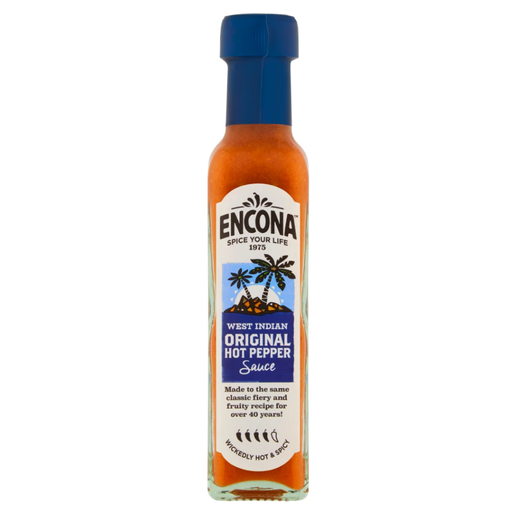
Why it suits this profile: The compact bottle is practical for anyone who wants to try hot sauce for the first time. According to the product information, the sauce is suitable for pizza, soups, stews, dips and marinades.
The smaller quantity helps limit waste when you are still working out how much heat you like.
142 ml; liquid consistency; ingredients including cayenne pepper, vinegar and herbs.
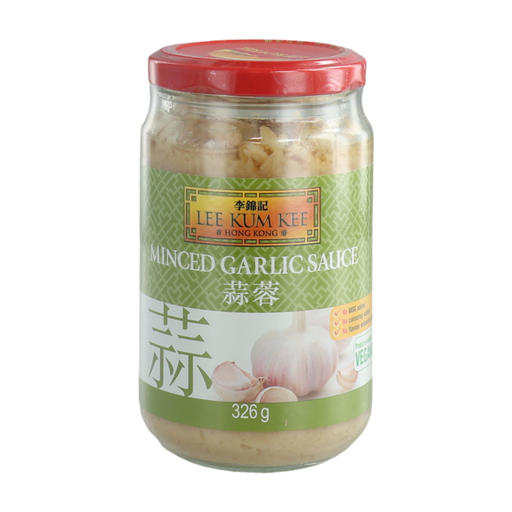
Why it suits this profile: According to the product information, this sauce combines chilli with 25% garlic. It therefore works well with stir-fries, noodles, dumplings, grilled meat and marinades.
The ingredients and broad usage instructions make it clear that this sauce offers more than just intense heat.
326 g; 25% garlic according to the label; ready to use as a dipping sauce, stir-fry sauce or marinade base.
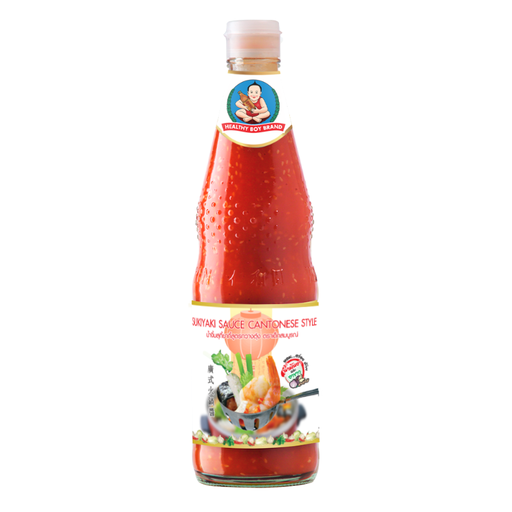
Why it suits this profile: The large bottle is designed for regular use with hotpot, stir-fries, noodles and marinades, and as a dipping sauce when entertaining.
The packaging and suggested uses are clearly aimed at multiple servings, making the quantity sensible for frequent cooking.
810 g; sweet and savoury profile; suitable for hotpot, stir-frying, marinating and dipping.
We have put together a complete, up-to-date list of products that fully meet these strict selection criteria and the applicable European safety regulations.
Start with a small amount and add more afterwards. This is particularly sensible with sambal, hot sauce and Korean sauces. Chilli sauce can be used straight from the bottle at the table, but it can also be diluted with soya sauce, vinegar, sesame oil or mayonnaise. This allows you to create your own dipping sauce or marinade.
For a barbecue, garlic sauce, satay sauce and salsa work well alongside one another because they offer different flavour profiles. In stir-fries, hoisin sauce, Thai sauce or a spicy garlic and chilli sauce often work well as a flavour base. Tomato sauce and pesto are less spicy, but useful for pasta, pizza and oven-baked dishes.
Store opened products according to the packaging instructions. Close bottles and jars securely and use a clean spoon with thick sauces. Always check the best-before date and label before consuming.
A smaller bottle of chilli sauce or hot sauce is a practical place to start. Encona Hot Pepper Sauce has a volume of 142 ml and, according to the product information, can be used in dips, soups and marinades, among other dishes. This lets you try the flavour without immediately buying a large pack.
Chilli sauce is often thicker and may contain sweet ingredients. Sambal is usually a concentrated chilli mixture that you stir into dishes in small quantities. Hot sauce is often more liquid and is drizzled over a meal. The exact composition varies by brand, so always check the label.
This varies depending on the product, packaging and storage instructions. Some sauces need to be refrigerated after opening. Check the information on the label and look for changes in smell, colour, texture or packaging. Do not use a product if the packaging is damaged or if the storage instructions advise against it.
