
Vandaag of morgen in huis

Kwaliteit gegarandeerd

Welkomstaanbiedingen ontgrendelen: GRATIS bezorging | Tot 80% korting | Gratis 30 dagen JoyPlus-proefperiode
Download de app
Buying world beer online is a convenient way to discover flavours from Japan, Thailand, Poland, Africa and other beer-producing countries at home. However, an eye-catching label does not always tell you enough. A large format may seem good value, for example, when you are actually paying mainly for the packaging or a high alcohol content that does not suit the occasion.
With this practical guide, you can compare origin, flavour style, alcohol content, packaging and quantity. That makes it easier to find the right Japanese beer for sushi, a Thai beer for a barbecue, or a beer box as a gift or for a dinner party.
Words such as “authentic”, “premium” or “powerful” do not always indicate what a beer tastes like. Instead, look for verifiable information:
If a brand claims that a product has a particular effect or property, treat this as a brand claim. Always check the label and product page. For Supermalt, for example, the product description mentions B vitamins; this is information about the composition, not a medical claim.
A 330 ml bottle, a 500 ml can and a box of 24 bottles are not directly comparable. For larger packs, calculate the price per litre and check:
Canned beer is practical for a barbecue and often takes up less space during transport. Bottled beer may be better suited to a dinner or gift, but it does require more storage space at home.
An alcohol-free malt beer is not the same as a pilsner with a low alcohol content. Supermalt Original Sleek Can 330ml is described as an alcohol-free malt drink made with barley malt, with a rich, smooth flavour. The product information also states that it contains gluten-containing barley.
For alcoholic beer, always check the alcohol content. According to the product information, Guinness Beer contains 7,5% alcohol, while Sapporo Beer lists 4,7%. For a long evening, lunch or a meal, that difference can be significant.
For world beer, the country of origin is often part of the reason for buying it. A Japanese beer such as Sapporo, Kirin, Asahi or a Junsui variant may be interesting if you are looking for a light lager or a distinctive hop profile. Thai beers such as Singha, Chang and LEO are associated in the product descriptions with refreshing lagers that pair well with spicy dishes and grilled food.
Polish beers include Tyskie, Żywiec and Karpackie. Tyskie lists 5,6% alcohol and a flavour profile featuring hops, caramel and a light fruity note. Karpackie Mocne is a 50 cl can with 6,8% alcohol. The difference in style and strength is therefore greater than simply the country of origin.
Use the style as your first filter:
For trying something new on your own, 320 or 330 ml bottles are easy to manage. For a party or a large barbecue, a beer box or multipack may be more practical. Tyskie is available as 24 bottles of 50 cl, while Guinness is available in a pack of six 325 ml bottles.
Also check that the bottle or can is undamaged and store beer according to the label: in a cool, dry place away from direct sunlight. Do not drink alcohol if you still need to drive, and keep alcohol out of the reach of minors.
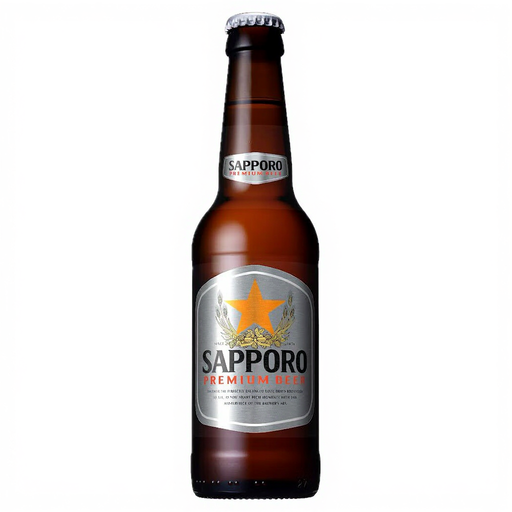
Why it suits this profile: The 330 ml bottle and 4,7% alcohol content make this an easy-to-manage choice for trying Japanese beer at your leisure.
The volume, ingredients and 4,7% ABV are clearly stated in the product information, so you are not relying on the country of origin alone.
330 ml bottle; lager style with water, barley malt, hops and rice according to the label.
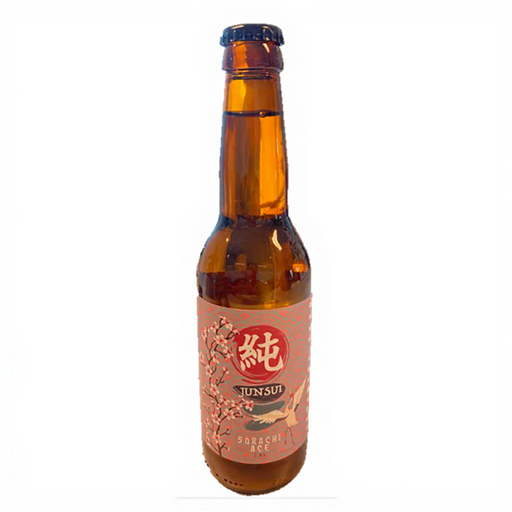
Why it suits this profile: If you are looking for a distinctive Japanese craft beer, the product description says this beer offers Sorachi Ace hops with citrusy, spicy notes.
The hops used are clearly specified. This gives you a better idea of the flavour accent to expect than a vague description would.
330 ml bottle; ingredient list with barley malt, hops and yeast; suitable for pairing with meals.
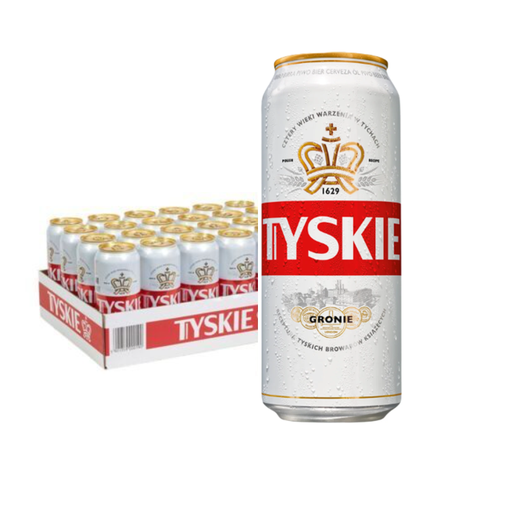
Why it suits this profile: The box of 24 50 cl bottles is designed for larger gatherings, a barbecue or keeping a supply for several meals.
The quantity and bottle volume are clear upfront. This helps you estimate the price per litre and the storage space required.
24 bottles of 50 cl; 5,6% alcohol; ingredients including water, barley malt and hops.
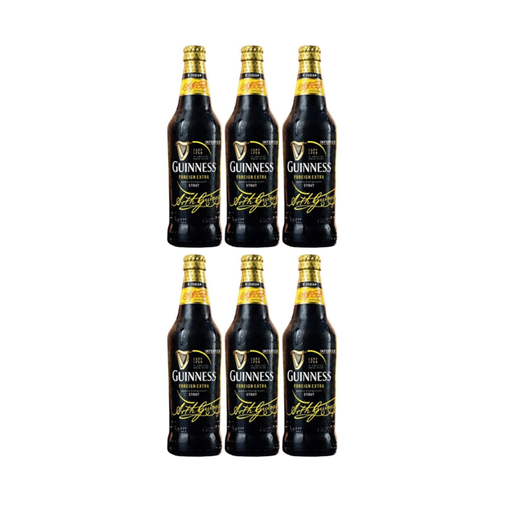
Why it suits this profile: This six-pack of stout is well suited to a tasting or dinner where a fuller, darker beer takes centre stage.
The 7,5% alcohol content is clearly stated. This prevents you from ordering a dark beer with a stronger profile when you were expecting an ordinary pilsner.
Six 325 ml bottles; stout style; described notes of roasted malt, coffee and chocolate.
We have put together a complete, up-to-date list of products that fully meet these strict selection criteria and the applicable European safety regulations.
That depends on the brand, packaging, delivery costs and quantity. A multipack may offer a lower price per bottle, but check the total cost and any deposit charges. With individual bottles, you may pay more per litre, but you can try a flavour before committing to a larger pack.
Store bottles and cans according to the product information, in a cool, dry place, away from direct sunlight and significant temperature fluctuations. Ideally, chill beer shortly before drinking it. Check the packaging and best-before information when your order arrives.
Choose according to the food. A refreshing Thai lager can work well with spicy dishes or grilled meat. Japanese beer often pairs nicely with sushi, seafood and light Asian meals. A stout can complement savoury dishes or desserts. For a mixed group, buying a beer box with different styles is practical, provided the contents and alcohol percentages are clear in advance.
