
Vandaag of morgen in huis

Kwaliteit gegarandeerd

Welkomstaanbiedingen ontgrendelen: GRATIS bezorging | Tot 80% korting | Gratis 30 dagen JoyPlus-proefperiode
Download de app
Buying beer from around the world might seem straightforward, but the options vary widely in flavour, alcohol content, packaging and price per bottle. An eye-catching label or the term “premium lager” doesn’t always tell you what to expect. Check a few product details before you buy to avoid disappointment and find the right choice for a dinner, party, barbecue or beer gift.
This buying guide has been put together by the Joybuy Product Recommendation Officer. It offers practical information based on verifiable details in product descriptions and on labels.
When you buy beer by the case, you’ll often pay less per bottle, but only if you’ll use the whole quantity. A box of 24 bottles or cans is a good choice for a party, a larger stock-up or a big barbecue. For a tasting, individual bottles or a pack of six are more practical. Compare:
Marketing terms don’t always tell you what a beer tastes like. Instead, look for specific details such as alcohol content, malt type, hops, rice, wheat and tasting notes. A 5% premium lager may taste light and dry, while a higher-strength tripel or stout may be fuller and richer.
Brands can make their own product claims, but these aren’t automatically independent findings. For example, Singha is described in the product information as a refreshing pilsner with a light bitterness and malty notes. That gives you an idea of what to expect, but your personal taste is what matters.
Ginger beer isn’t always alcoholic. Old Jamaica Ginger Beer is listed as alcohol-free in the product information and contains ingredients including carbonated water, sugar and ginger extract. It’s a soft drink or mixer, not a lager or stout. Always check the category and alcohol content before you order.
A beer around 4.5% to 5.2% may suit a light meal or a longer evening. Hertog Jan Tripel lists 8.5% alcohol, while Guinness in this selection lists 7.5%. These beers often have a more pronounced character, so they’re best enjoyed slowly. If you’re 18 or over, drink responsibly and don’t drive under the influence.
Pay attention to serving size, too. A 330 ml bottle and a 500 ml bottle don’t contain the same amount of alcohol, even if they have the same alcohol content.
If you need to avoid allergens, check the packaging. Many products in this selection contain barley and therefore gluten. Always follow the current labelling on the product you receive.
Buying beer by the bottle is useful if you want to compare styles and beers from different countries. A box of 24 makes more sense for a party or regular drinking. Look out for these differences:
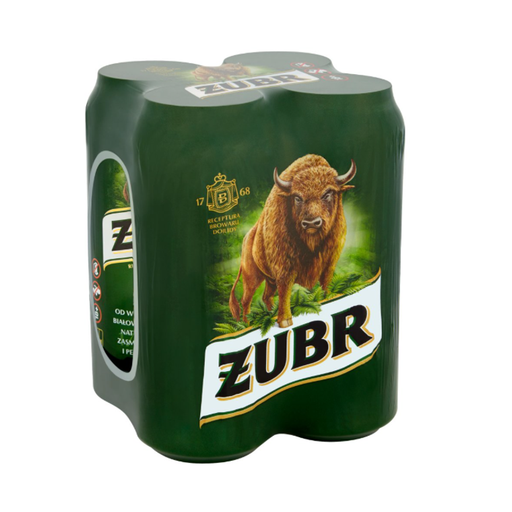
Why it suits this profile: Four 500 ml bottles offer an easy introduction to Polish beer without committing to a full case.
The quantity is clearly stated: 4 x 500 ml. This makes it easier to choose the right amount for a small stock-up.
Four 500 ml bottles; the product information lists water, malted barley, barley and hops.
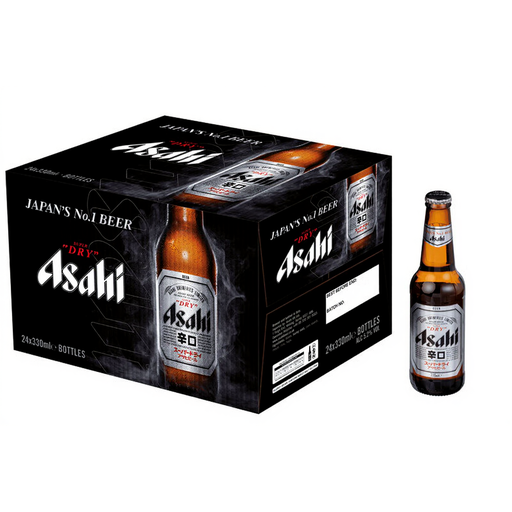
Why it suits this profile: A box of 24 330 ml bottles is ideal for fans who regularly serve Japanese beer with meals or at get-togethers.
The alcohol content, volume and ingredients are specified, so you don’t have to rely on brand wording alone.
24 x 330 ml; the product information lists 5.2% alcohol and barley as an allergen.
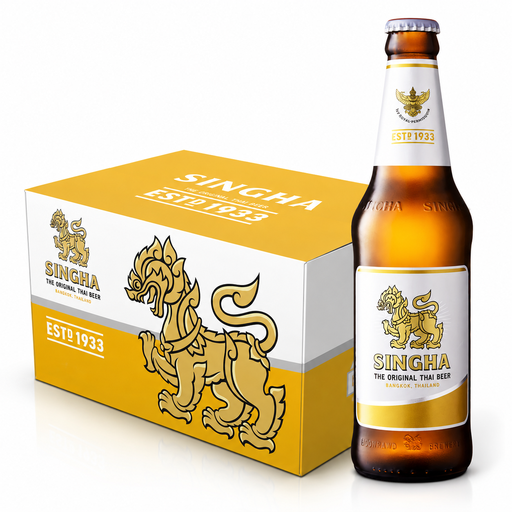
Why it suits this profile: This case is a good choice for regularly serving beer with Thai or other Asian dishes, at barbecues and to larger groups.
The pack size makes the total quantity clear before you buy. You know you’re getting 24 individual 330 ml bottles.
5.0% alcohol; described in the product information as a lager with a light bitterness and malty notes.
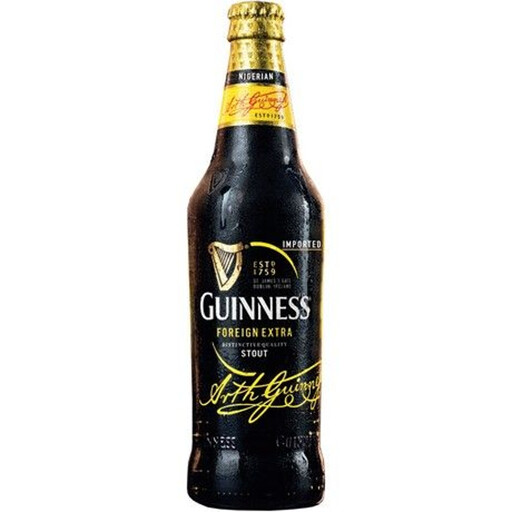
Why it suits this profile: This stout is a good choice if you’re looking for a dark beer to savour slowly, give as a gift or pair with savoury dishes.
The product information clearly states 7.5% alcohol, 17.49 Plato and a 325 ml bottle, so you know what to expect from this full-bodied style.
Stout style; the product description notes roasted malt, coffee and chocolate flavours.
We’ve put together a complete, up-to-date list of products that meet these strict selection criteria and the applicable European safety requirements.
Look for a refreshing lager or pilsner around 5% alcohol. Thai beers such as Singha, Chang or Leo are paired with spicy dishes, grilled meat and seafood in their product descriptions. These are suggestions from the seller, not a guarantee that everyone will enjoy the same combinations.
It depends on the price per litre, the packaging and any additional costs. Work out the price per 100 ml and decide how much you need in advance. Individual bottles or a pack of six are often more flexible for a first taste; a case may be more practical for a party.
Ginger beer can be alcohol-free. According to the product information, the Old Jamaica varieties mentioned contain no alcohol and are made with carbonated water, sugar and ginger extract. They can be enjoyed chilled or used as mixers. Always check the label, especially if you specifically want to order an alcohol-free drink.
