
Vandaag of morgen in huis

Kwaliteit gegarandeerd

Welkomstaanbiedingen ontgrendelen: GRATIS bezorging | Tot 80% korting | Gratis 30 dagen JoyPlus-proefperiode
Download de app
A workout mat seems simple: roll it out and start exercising. But the wrong choice can quickly lead to curling corners, inadequate cushioning or a mat that’s difficult to clean. This is particularly noticeable when exercising at home, where the floor is often laminate, PVC, tiles or a smooth sports floor.
When comparing workout mats, don’t focus only on colour or an appealing description. The key differences are thickness, material, dimensions, grip and care. Read on to find out what to check before buying a yoga mat, fitness mat, exercise mat or gym mat.
A textured or non-slip surface can improve grip during exercise, but the result also depends on the floor underneath. Dust, moisture and loose hairs can reduce stability. A workout mat should be placed on a flat, clean floor. Before use, check that it’s fully unrolled and that the edges aren’t curling up.
Even with a non-slip workout mat, you still need to take care. A rubber or TPE underside may grip one type of floor better than another. So treat the product information as a guide, not a guarantee that it will work in every home.
Fitness mats are described using different units and terms. For example, a product title may suggest a different thickness from the technical specifications. The Capelli Sport puzzle mat is listed as “12 cm” in the title, while the detailed product information states 1.2 cm. That’s an important difference.
For yoga or Pilates, a thinner mat may be enough. For a fitness floor mat, placing exercise equipment on it or doing exercises that put more strain on the floor, a thicker puzzle mat may be more practical.
PVC is easy to wipe clean, but may feel less soft than a multi-layer mat made from cork and TPE. Foam provides more cushioning, but may be susceptible to sharp objects, heat and heavy point loads. So don’t just look for the word “durable”: check the stated material, thickness and care instructions.
Thickness partly determines how the mat feels and what you can use it for:
A thick mat isn’t automatically more practical. It takes up more space, may feel less stable for balance poses and is often harder to roll up.
A common size is around 183 × 61 cm or 68 × 24 inches. Measure the available space before you order. Leave extra room around the workout mat for your arms, legs and any exercise accessories.
Individual tiles are practical for larger home gyms. A fitness puzzle mat lets you extend the area without having to buy a complete floor covering straight away. Just make sure all the pieces fit together securely.
Check the following in the product description:
Clean your workout mat according to the manufacturer’s instructions. For PVC and foam mats, use a damp cloth and mild cleaning product. A cork mat generally needs to be cleaned by hand and left to dry completely before you roll it up.
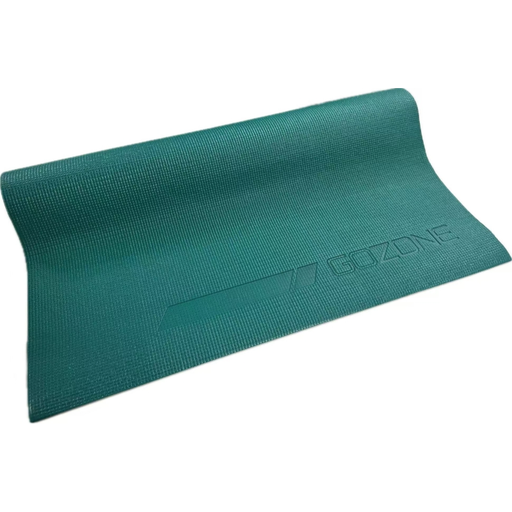
Why it suits this user: A compact option if you’re starting out with yoga, Pilates or light fitness at home and want a mat to take to the gym.
The product information clearly states that it’s 3 mm thick and has a textured surface. So you don’t have to rely on a vague description claiming extra thickness.
PVC, 68 × 24 inch size, textured surface and suitable for yoga, Pilates and floor exercises.

Why it suits this user: For yoga enthusiasts who care about the materials, size and a surface that can absorb moisture.
The construction is clearly described: cork on top, TPE underneath and a polyester middle layer. This makes it easy to check the material choice.
183 × 61 × 0,6 cm, weighs 750 grams and has a wave pattern on the TPE underside. Wipe clean with a damp cloth.
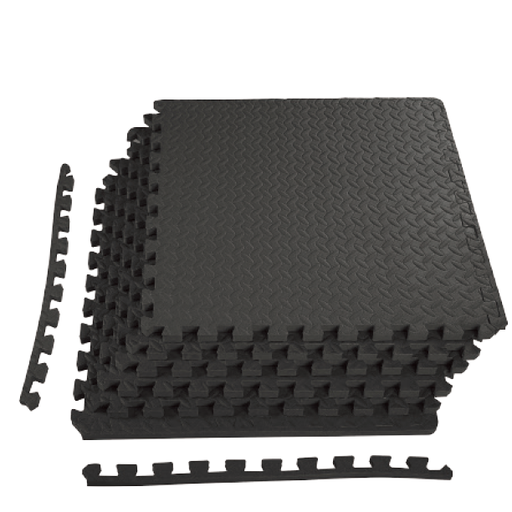
Why it suits this user: For a home gym, strength training or a dedicated spot for fitness equipment where separate tiles are useful.
The specifications state that it’s 1,2 cm thick and includes six tiles. Check this against the title, which says 12 cm, before you order.
PE foam, six 60 × 60 cm tiles, total coverage of 24 square feet and an interlocking puzzle design.
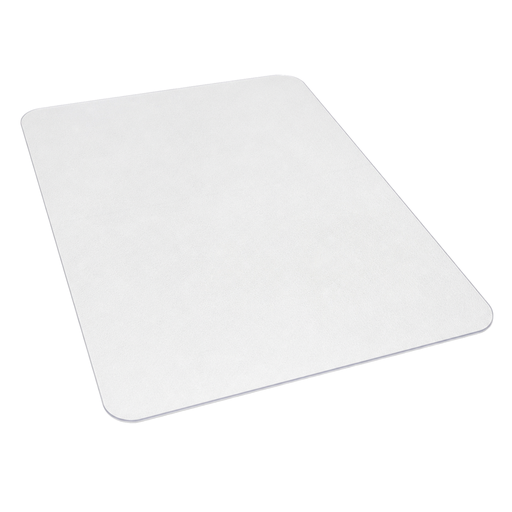
Why it suits this user: For anyone looking to cover a hard floor beneath fitness equipment or a workstation, rather than looking for a soft yoga mat.
The product name describes a matt, transparent floor mat for hard floors. So expect floor covering, not the same cushioning as an exercise mat.
Transparent finish, 1,5 mm thick and available in several sizes according to the product name.
We’ve put together a complete, up-to-date list of products that meet these strict selection criteria and current European safety regulations.
For yoga and Pilates, 3 to 6 mm is often enough. If you’re looking for more cushioning or want to place equipment on the floor, consider a puzzle mat around 1,2 cm thick. Always take the floor and the type of exercise into account.
Wipe PVC, PE foam and many TPE mats with a damp cloth and mild cleaning product. Follow the specific instructions for a cork mat; hand-washing and air-drying are recommended for the model mentioned. Don’t roll the mat up until it’s completely dry.
Its lifespan depends on how often you use it, your body weight, how it’s stored and the floor beneath it. Avoid sharp objects, direct sunlight and heat. Check regularly for cracks, peeling layers or loss of grip. If the mat shows visible signs of wear, it’s safer to replace it than to keep exercising on an unstable surface.
