
Vandaag of morgen in huis

Kwaliteit gegarandeerd

Welkomstaanbiedingen ontgrendelen: GRATIS bezorging | Tot 80% korting | Gratis 30 dagen JoyPlus-proefperiode
Download de app
A wooden storage cabinet can create extra space in your bathroom, hallway, bedroom, kitchen or living room. But good looks aren’t enough. A cabinet that’s too deep, can’t support enough weight or can’t be securely fixed to the wall can soon become a source of frustration.
So don’t focus only on colour and style. Check the dimensions, layout, materials and safety information, too. Comparing your options carefully will help you find a storage unit that suits your space and the way you use it every day.
A narrow storage cabinet can fit easily beside a washbasin, toilet or fridge. However, its limited depth may mean there’s no room for larger bottles, towels or cleaning products. Check the internal dimensions, not just the overall measurements.
For example, a cabinet with a depth of 24 cm is suitable for small bathroom essentials, while a model around 30 to 40 cm deep offers more space for supplies, books or kitchen items.
Products with a wood-effect finish can be made from engineered wood, MDF, chipboard or bamboo. That isn’t necessarily a problem, but the materials have different properties. MDF and engineered wood have a smooth surface and are easy to wipe clean. Bamboo has a natural look, but combinations with MDF or chipboard need extra care in damp conditions.
Check the material listed for each component. Some cabinets, for example, have a bamboo door or frame, while the shelves and back panels are made from board.
A tall cabinet has a higher centre of gravity. That’s why a tall storage cabinet should be secured to the wall in line with the product information. Use fixings that are suitable for your type of wall. If you’re unsure whether you have brick, concrete, plasterboard or a hollow wall, it’s worth getting advice.
Also check the maximum load for each shelf or drawer, as well as for the cabinet as a whole. It’s best to store heavy supplies at the bottom. Don’t put heavy items at the top of a narrow cabinet, and don’t let children hang from its doors, drawers or shelves.
First, measure the space available. Allow for skirting boards, doors, sockets and enough room to open a cabinet door or drawer.
Then choose the layout:
A door keeps your belongings out of sight. Open shelves make everyday essentials quicker to reach, but need more organising.
When using a bathroom cabinet, keep it indoors and away from direct contact with water. Even if the product description says a material is moisture-resistant, good ventilation is still important. Wipe up spills straight away and don’t use abrasive cleaning products.
Bamboo is popular for its natural look. If you’re considering a bamboo storage cabinet, check which parts are actually made from bamboo. A product with an FSC statement may be worth considering if the source of the materials and responsible forest management matter to you. Always check that the certification is listed for the specific product.
Most wooden storage units require self-assembly. Check:
A smooth surface can usually be cleaned with a slightly damp cloth. Dry bamboo, MDF and board thoroughly afterwards. If the cabinet is used frequently, tighten the fixings again after a while.
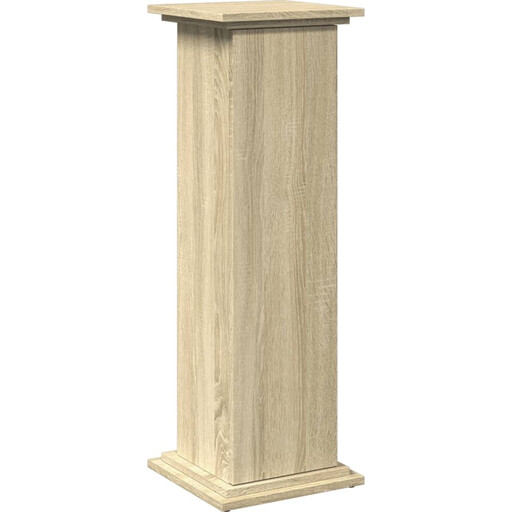
Why it suits this user: Measuring 31 x 30 x 90 cm, this model is ideal for a narrow alcove in the hallway, bathroom or bedroom. The door can be fitted to open from either the left or right.
The product information lists the overall dimensions, three levels and three concealed compartments. It also clearly states that wall mounting is required.
Engineered wood, a smooth surface, a reversible door and a stated total load capacity of 60 kg.
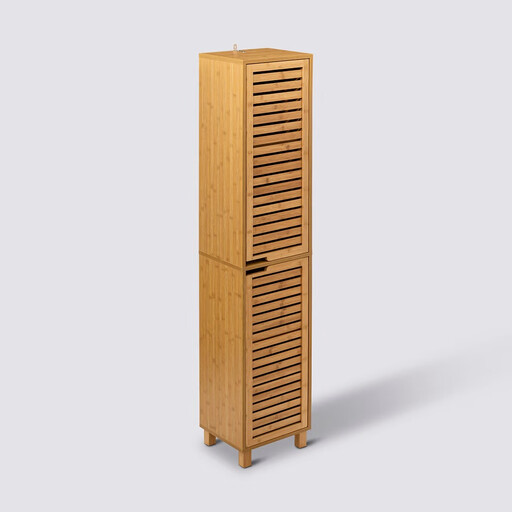
Why it suits this user: This tall cabinet makes good use of vertical space in the bathroom. Six shelves and two doors provide room for towels, toiletries and smaller accessories.
The product information lists not only bamboo, but also MDF, chipboard and other components. This gives you a more realistic picture of the materials. Wall fixing and a maximum load of 30 kg are clearly stated.
170 cm tall and 24 cm deep, with six shelves and two doors. According to the product information, assembly takes around 60 minutes with two people.
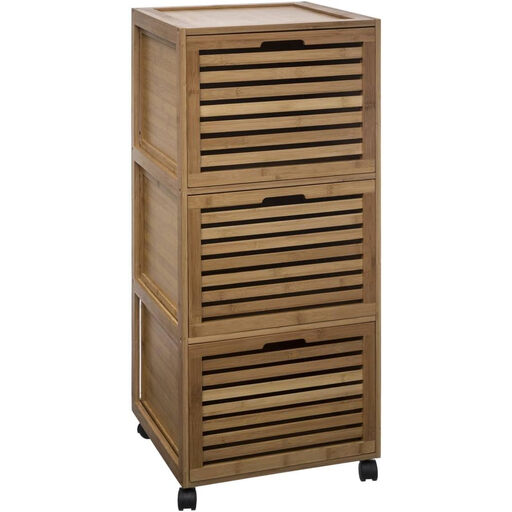
Why it suits this user: This cabinet is designed for anyone who regularly moves their belongings, for example between the bathroom, kitchen and pantry. Three drawers keep smaller items separate.
The product details list the dimensions of 41 x 41 x 91 cm, the material used for each component and a maximum load of 35 kg. This lets you check in advance whether the cabinet will suit your space and how you plan to use it.
Three drawers, castors and a stated maximum load of 35 kg. Place the cabinet on a level surface and distribute the weight evenly.
We’ve put together a full, up-to-date list of products that meet these strict selection criteria and the applicable European safety regulations.
That depends on the material, finish and where you place it. Use a bathroom cabinet indoors, make sure the room is well ventilated and avoid prolonged contact with water. A slightly damp cloth is usually a better choice than a wet sponge or harsh cleaning product. Also check whether MDF or chipboard components are particularly susceptible to moisture.
Secure a tall or narrow cabinet to the wall, following the instructions provided. Use wall plugs and screws that are suitable for your type of wall. Keep heavy items at the bottom, don’t exceed the maximum load and don’t let children climb or hang on the cabinet.
A cabinet with drawers is handy for small items such as stationery, cosmetics and accessories. A cabinet with shelves offers more flexibility for tall or wide items. You can use a storage basket or box for loose belongings. The right choice depends on what you want to store and how often you need to reach it.
