
Vandaag of morgen in huis

Kwaliteit gegarandeerd

Welkomstaanbiedingen ontgrendelen: GRATIS bezorging | Tot 80% korting | Gratis 30 dagen JoyPlus-proefperiode
Download de app
A wooden storage cabinet can help keep your living room, bedroom, hallway or dining room tidy. But a cabinet can look more spacious, sturdier or easier to assemble in a product photo than it is in real life. If you focus only on colour and price, you may end up with limited shelf space, an unstable cabinet or unexpected assembly issues.
Look out for these three common pitfalls:
Below, you’ll find out which specifications matter and which types of cabinet suit different needs around the home.
Before you buy, note the available width, height and depth. Also allow for:
For a small hallway or bedroom, a narrow tall cabinet may be more practical than a wide chest of drawers. A bookcase that’s 24 cm deep takes up little floor space and can also work as a bookcase room divider. If you’re using it this way, check whether the instructions say it needs to be fixed to the wall.
A cabinet made from solid pine looks different from one made from engineered wood or MDF. Solid wood often shows natural grain and knots. Engineered wood usually has a more even surface and is easy to wipe clean with a slightly damp cloth.
Check the exact product information:
A cabinet in Sonoma oak can work well with your existing furniture, but colours may look different on different screens. So check the material description too, rather than relying on the product photo alone.
A cabinet with plenty of storage is only practical if its compartments suit what you want to store. Open shelves are handy for books, baskets and ornaments. A wooden cabinet with doors keeps belongings out of sight and helps protect them from dust. Drawers are useful for smaller accessories, clothes or paperwork.
Also check:
Several models require an anti-tip device. Use fixings that are suitable for your wall type, whether it’s plasterboard, concrete or brick. If you’re unsure, ask a professional for advice. Store heavier items at the bottom and distribute the weight evenly.
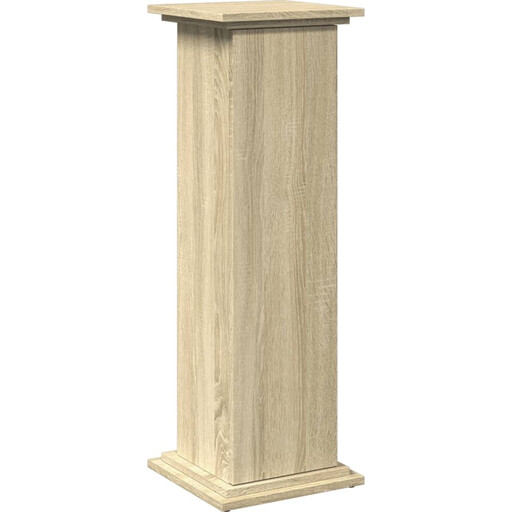
Why it suits this profile: Its narrow dimensions make this tall cabinet a good fit for a hallway, small living room or unused corner. The Sonoma oak colour works with a range of interiors.
The dimensions are clearly stated: 31 x 30 x 90 cm. The cabinet has three concealed compartments and must be fixed to the wall to prevent it tipping over.
Engineered wood, a smooth surface, three storage levels and a stated total load capacity of 60 kg.

Why it suits this profile: If you’re after a natural look and drawers in different sizes, this chest of drawers offers a tidy storage solution for the bedroom, hallway or living room.
The product information specifies unfinished solid pine and five drawers in different sizes. You’ll still need to fix it to the wall to prevent it tipping over.
Solid pine, five drawers, dimensions of 77 x 35 x 73 cm and a finish that can be painted or varnished if you wish.
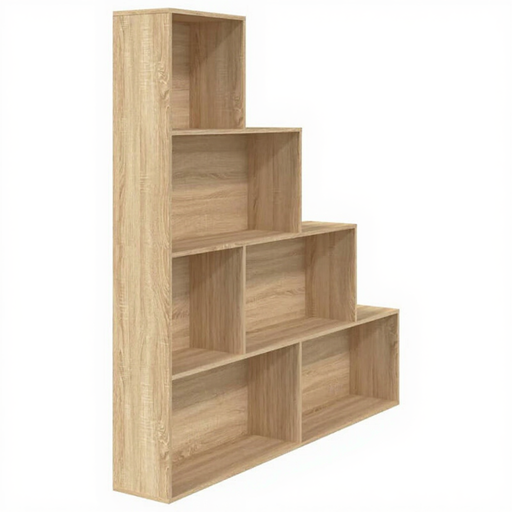
Why it suits this profile: This open bookcase is designed for books, magazines and multimedia equipment, and can visually divide a living room or workspace.
Its 24 cm depth is clearly stated, making it easier to avoid choosing a cabinet that’s too deep for a compact room. Use suitable fixings to secure it to the wall.
Six open compartments, a width of 155 cm, a height of 160 cm and the option to use it as a room divider.

Why it suits this profile: This bedside table gives you a compact spot for books, accessories and everyday essentials next to your bed.
The dimensions of 38 x 48 x 50 cm give you a clear idea of the space you’ll need. The product details specify two drawers and a soft-close function.
Two drawers, a soft-close mechanism, an FSC label and a stated maximum load capacity of 80 kg.
We’ve put together a complete, up-to-date list of products that meet these strict selection criteria and the applicable European safety regulations.
Use the supplied fixing if one is provided, but choose screws and wall plugs that are suitable for your wall. Check for pipes and cables before you start. For a heavy wall cabinet, it’s important to take the wall’s load capacity and the cabinet’s maximum load into account.
Its lifespan depends on the material, assembly, load and care. Make sure the cabinet is level, don’t exceed its stated load capacity and check the fixings regularly. You can usually clean a smooth surface with a soft, slightly damp cloth. Avoid harsh cleaning products unless the manufacturer says they’re suitable.
It depends on how you’ll use it. Doors keep belongings out of sight and reduce dust. An open bookcase keeps books and ornaments within easy reach and can be used as a room divider. A sideboard or wall cabinet with doors often works well in a calm, uncluttered living room; open compartments make it easier to organise lots of books.
