
Vandaag of morgen in huis

Kwaliteit gegarandeerd

Welkomstaanbiedingen ontgrendelen: GRATIS bezorging | Tot 80% korting | Gratis 30 dagen JoyPlus-proefperiode
Download de app
A beautiful wooden cutting board can instantly elevate your kitchen's atmosphere. It's not only practical for chopping vegetables but also doubles as a stunning serving platter. However, choosing the right board is more challenging than it seems. Many boards warp after a few washes, develop cracks, or prove unsuitable for daily use. This leads to frustration and wasted money.
Before you make a decision, it's wise to consider a few common pitfalls:
To find a board that will last for years, it's helpful to look at a few specifications. This will help you see through marketing jargon and make a functional choice.
Not all wood types are created equal. For a cutting board, you want a hardwood that can withstand knife cuts but won't dull your blades too quickly.
Think about what you will primarily use the board for.
A wooden cutting board should almost never go in the dishwasher. The heat and moisture are guaranteed to cause warping and cracking. Wash the board by hand, dry it immediately, and store it upright. Occasionally rubbing it with a neutral (mineral) oil will keep the wood in good condition.
Based on these practical criteria, we have selected a number of boards that suit different users.
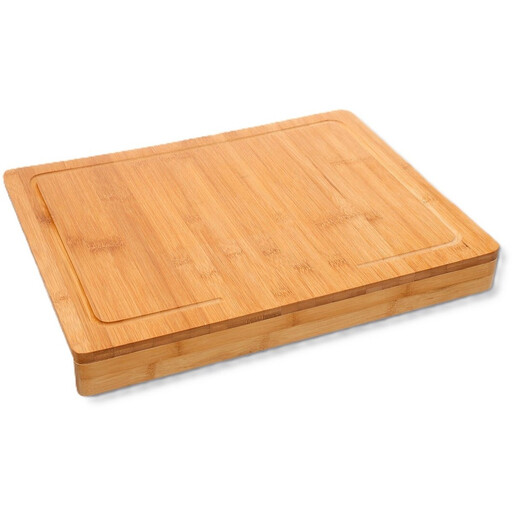
Why This Fits Their Persona: Ideal for those who cook daily and need a stable and spacious work surface. This large cutting board offers enough room to prepare complete meals.
The stopper on the edge locks onto the countertop, preventing the board from slipping. The juice groove prevents messes. The FSC-certified bamboo is a sturdy material that is less prone to warping than untreated wood.
Large size (45x34 cm) with a smart stopper edge for maximum stability and a juice groove for a clean workspace.
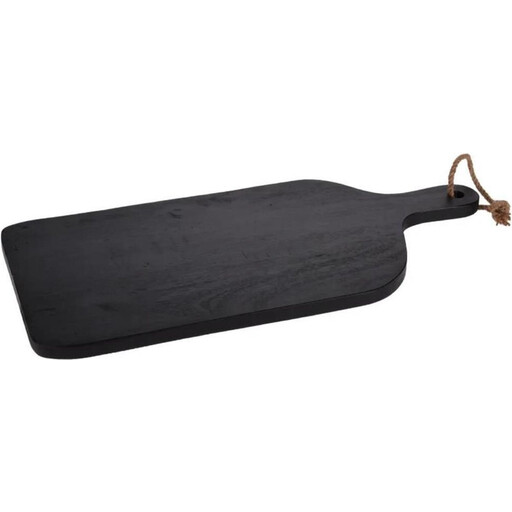
Why This Fits Their Persona: Perfect for those who love to present snacks, cheeses, or an elaborate charcuterie board. The bold, black appearance and generous size make this a real statement piece on the table.
This board is clearly positioned as a serving board. This prevents you from accidentally using a decorative item for heavy-duty cutting. The rubberwood is durable enough for serving and presenting food.
Very large size (58 cm) and a unique black finish that creates a robust, warm atmosphere. Includes a handle for hanging.
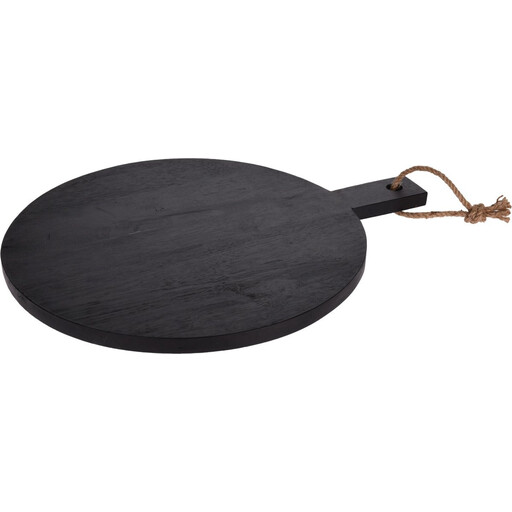
Why This Fits Their Persona: For those seeking a board that is both functional for prep and stylish enough to serve on directly. The round shape is practical and decorative, ideal for kitchens where efficiency and style converge.
This board is made from rubberwood, a hardwood suitable for cutting. It is a functional hybrid, not a fragile decorative piece. The board combines a practical cutting surface with a presentable appearance.
Versatile for both cutting and serving. The round shape (40 cm diameter) is a stylish alternative to the standard rectangular board.
Besides cutting boards, there are more ways to bring the warmth and functionality of wood into your kitchen. Discover our range of wooden storage solutions.
The most important rule is: never put it in the dishwasher. After use, wash the board by hand with a little mild dish soap and warm water. Dry it thoroughly and immediately with a tea towel and let it air dry upright. This allows air to circulate on both sides and minimises the risk of warping.
Bamboo and wood both have their advantages. A bamboo cutting board is generally harder, lighter, and absorbs less moisture, making it a hygienic choice. Traditional wooden boards (like acacia or beech) are often gentler on your knives and have a "self-healing" property where minor scratches can partially close up. The choice depends on your personal preference for weight, appearance, and how you want to maintain your knives.
No, not just any board. Only use boards that are explicitly labelled as food-safe. Decorative boards may be treated with varnish, lacquer, or stains that are not intended for contact with food. An untreated wooden board or one finished with a food-safe oil is a suitable choice for a wooden serving board.
