
Vandaag of morgen in huis

Kwaliteit gegarandeerd

Welkomstaanbiedingen ontgrendelen: GRATIS bezorging | Tot 80% korting | Gratis 30 dagen JoyPlus-proefperiode
Download de app
Your child's first wobbly steps are a milestone. A wooden baby walker can provide stable support during this time. But the market is flooded with options, and not every walker is worth the money. Many models have design flaws that compromise safety or fun. As a Joybuy Product Recommendation Officer, I'll help you see through the marketing jargon and make a sound choice.
Before you make a purchase, it's important to recognise the most common pitfalls.
A good wooden baby walker offers the right balance of support, safety, and meaningful play.
To avoid a bad purchase, focus on a few key specifications. These objective criteria will help you make a durable and safe choice for your child.
Your child's safety comes first. A stable baby push walker is essential. Pay attention to the following points:
The wheels determine how the walker performs on your floor.
A walker is more than just an aid for learning to walk; it's also a toy.
Based on these criteria, we have selected a number of products that suit different needs.
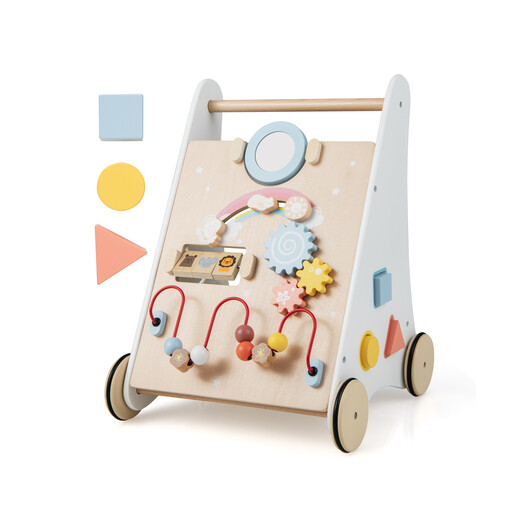
Why This Fits Their Persona: Ideal for parents looking for an all-in-one solution. This walker not only supports learning to walk but also functions as a complete activity centre that stimulates development on multiple levels.
The manufacturer emphasizes the sturdy frame and the rubber trim on the wheels. This directly addresses the pitfalls of instability and slippery wheels, ensuring safety on various floor types.
The 7-in-1 functionality offers long-lasting play value. The storage basket at the back is a practical addition for carrying favourite toys.
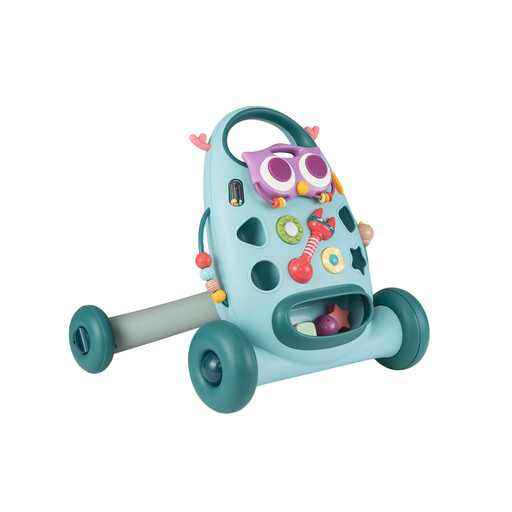
Why This Fits Their Persona: Perfect for those who prefer timeless, educational toys without electronic distractions. This walker combines the walking function with classic activities that promote motor skills and cognitive development.
This model avoids the pitfall of overstimulation. It focuses on fundamental, proven play elements like a shape sorter, rather than distracting lights and sounds.
The removable playboard makes the walker versatile. The child can play with it while sitting and later use the walker as a pure push walker for 1 year and older.
A wooden baby walker is an important purchase. If the models above aren't exactly what you're looking for, check out our full range. We have compiled an up-to-date list of products that meet strict selection criteria and safety regulations.
Here are answers to some questions that are often asked when purchasing a wooden baby walker.
A walker is generally suitable from the moment a child can independently pull themselves up to a standing position and shows some stability. This is usually between 9 and 12 months. It's important to introduce the walker as an aid, not as a substitute for learning to balance independently. Always check the manufacturer's age recommendation.
Yes, provided you choose a model with the right wheels. As mentioned earlier, walkers with wheels that have a rubber trim are the designated choice for smooth floors. They provide the necessary grip to prevent slipping and protect your floor from scratches.
This is an important distinction. A wooden push walker (also called a push cart) is a cart that the child pushes in front of them. The child stands on their own two feet and uses the walker for support. This encourages an active posture and natural walking development. A seated walker is a seat on wheels in which the child hangs. Its use is discouraged by many pediatric physical therapists because it can promote an unnatural walking posture and may interfere with the development of the hips and leg muscles.
