
Vandaag of morgen in huis

Kwaliteit gegarandeerd

Welkomstaanbiedingen ontgrendelen: GRATIS bezorging | Tot 80% korting | Gratis 30 dagen JoyPlus-proefperiode
Download de app
Your child's first wobbly steps are a milestone. As a parent or grandparent, you want to support this moment with a tool that is not only safe and sturdy but also contributes to their development. A wooden baby walker is often a natural choice. But with so many options on the market, how do you find the right one?
My name is Joybuy, and as a Product Recommendation Officer, my job is to help you make an informed choice. In this guide, we'll explore the key features of a good wooden baby walker and provide concrete recommendations for 2026, so your child can explore with confidence.
Before you make a choice, it's helpful to know which features really make a difference. Here are three practical points to consider.
Safety comes first. A good wooden baby walker must be stable and not tip over easily. Look for a wide frame and a low centre of gravity. Check if the product has a CE marking, which indicates that it complies with European safety standards. Materials like solid basswood or sturdy MDF are often an indication of durability. Rounded corners are also essential to prevent your child from getting hurt during a fall.
A modern walker is more than just a learn-to-walk aid. Many models also function as a baby activity centre. Elements like an abacus, a shape sorter, or spinning gears stimulate fine motor skills and hand-eye coordination. A walker with activities keeps your child engaged for longer, even when they aren't walking. Extra functionality, such as a storage bin at the back, is handy for carrying favourite toys.
Also, consider its practical use at home. A baby push walker with rubber wheels is a major advantage. These wheels are quieter on hard floors and offer more grip, preventing the walker from slipping away. Moreover, they protect your floor from scratches. The height of the push handle should be appropriate for your child's height, allowing them to maintain a natural posture while walking.
Based on the criteria above, we have compiled a list of popular choices for you.
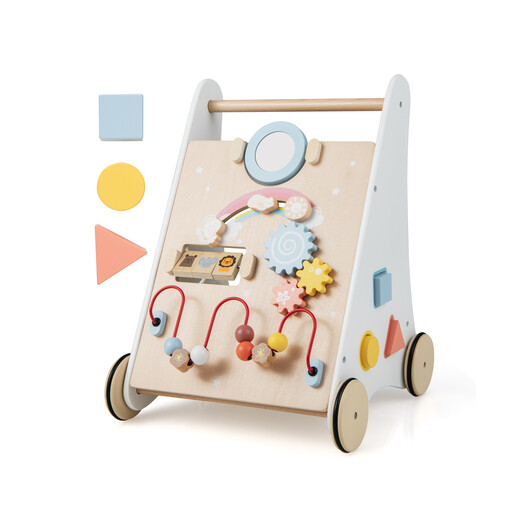
Why it stands out This model combines the function of a walker with that of a versatile activity centre. It is designed to support a child from the moment they pull themselves up until they are walking confidently. The various built-in games provide long-lasting entertainment and stimulate development.
Key Features
Who is it for? Ideal for parents looking for a walker for 1-year-olds that grows with their child. It's a complete solution that supports both motor skills and cognitive development.
Has your child outgrown the walker phase and is ready for the next step in outdoor play? A scooter is a popular choice for children from around 3 years old.
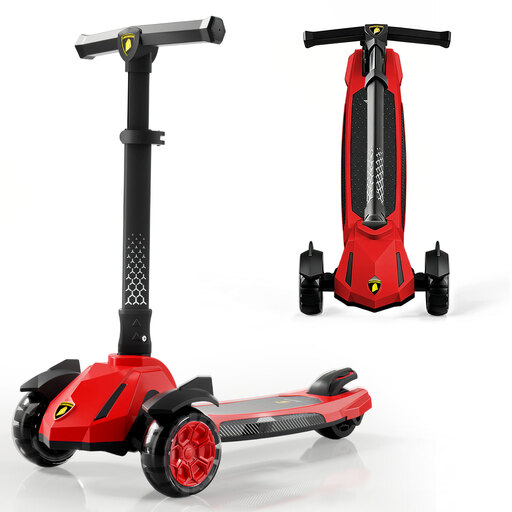
Why it stands out This scooter is designed to grow with your child. The adjustable and foldable handlebar makes it practical to use and easy to store. The light-up wheels add an extra playful element that motivates children to get moving.
Key Features
Who is it for? An excellent choice for parents of toddlers and young children (3-10 years) looking for a durable and fun outdoor toy that eases the transition from a walker to independent riding.
If the light-up wheels of the scooter appeal to you, there's much more to discover. For children who love speed and lights, there is a wide range of outdoor toys available.
? Check out more light-up scooters for kids here and find the perfect match for your little adventurer.
1. From what age is a wooden baby walker suitable? Generally, a wooden baby walker is recommended from the moment a child can sit up independently and starts pulling themselves up on furniture, usually around 12 months. It's important that the child already has some balance before using a push walker.
2. Is a wooden walker better than a plastic one? Both materials have their own advantages. Wooden walkers are often valued for their durability, stability (due to their heavier weight), and classic appeal. Plastic models are typically lighter and sometimes include more electronic features like lights and sounds. The choice depends on your personal preference for material and the features you find important.
3. How can I help my child get used to a push walker? Introduce the walker in a playful way. Place it in the room and let your child discover it on their own. You can put their favourite toy in the storage bin to make it more appealing. Walk with them a few times and encourage them, but don't force it. Every child develops at their own pace.
