
Vandaag of morgen in huis

Kwaliteit gegarandeerd

Welkomstaanbiedingen ontgrendelen: GRATIS bezorging | Tot 80% korting | Gratis 30 dagen JoyPlus-proefperiode
Download de app
A wooden 3D puzzle kit for adults is more than a decorative object. You’re also buying a project that calls for time, patience and a suitable workspace. The product photo may make it look like a simple kit, but the finished model could contain hundreds of small parts. And not every model is designed to be played with: some are static wooden decorations for a bookshelf, while others have gears, lights or electronic components.
Before you buy, look out for these three common pitfalls:
The number of parts gives you an initial idea of how challenging a model will be. A model with 142 parts, such as the ROKR Siege Heavy Ballista, is designed to take around two hours to assemble, according to the product description. The ROKR Pinball has 482 wooden parts and an estimated build time of seven hours or more.
These figures are a guide. Your pace, experience and the time you take to remove the parts carefully will all affect the total build time. Also check whether you’ll need glue, tools or batteries. Some Robotime 3D wooden puzzles have parts that are designed to click together, while other models also include electronic components.
Measure the space where you plan to display the model before you order. Check the width, depth and height:
A Book Nook is designed to sit between or beside books. A tall mechanical model, on the other hand, needs more vertical space. Leave some clearance around any moving parts, too.
Check whether the model is static, mechanically operated by hand or electric. According to the product description, the Carousel works with a hand crank and a rotating platform. The Pinball uses a USB cable, lights, sound and an infrared sensor. The Book Nook has touch-controlled lighting and uses two AAA batteries, which are not included. The Electric Guitar, by contrast, is a static display model that doesn’t need power.
All the kits mentioned are recommended for ages 14 and over. Small parts can pose a choking hazard to young children. Some parts may also have sharp points or edges during assembly. Work at a stable, well-lit table and keep loose parts out of reach of children below the recommended age. Claims about materials and finish come from the relevant product descriptions; if in doubt, always check the latest information on the product page.
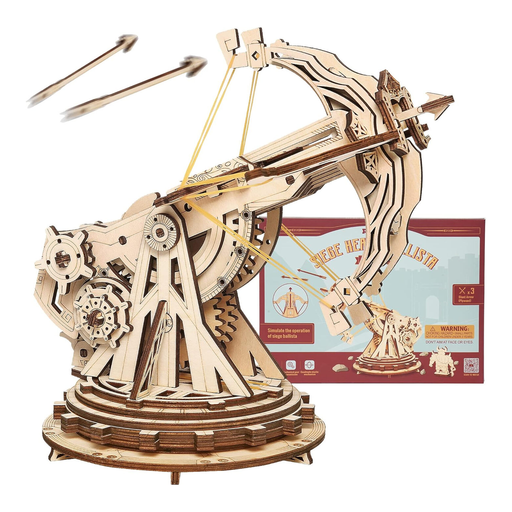
Why it suits this type of user: With 142 parts and a stated build time of around two hours, this is a manageable starting point for an adult DIY kit.
The number of parts and estimated assembly time are clearly stated, making it easier to gauge the scale of the project in advance.
Interlocking design, movable wheels and an adjustable aiming mechanism; spare parts are included, according to the product description.
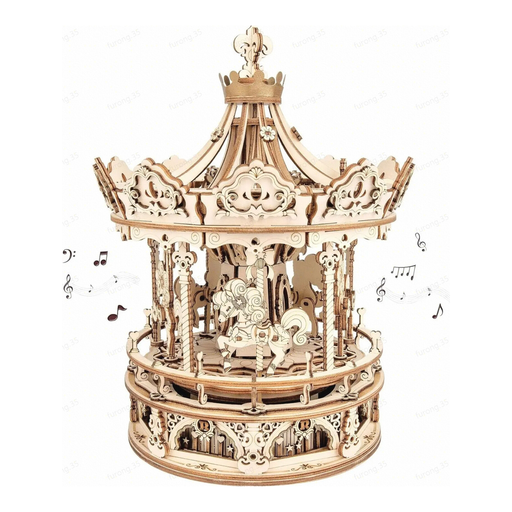
Why it suits this type of user: This model combines decorative appeal with a hand-powered mechanism. Its size makes it a good fit for many desks and bookshelves.
It doesn’t rely on batteries: according to the product information, you start the movement with a hand crank.
336 parts, dimensions of approximately 17 × 17 × 23,5 cm and a rotating platform with gear transmission.
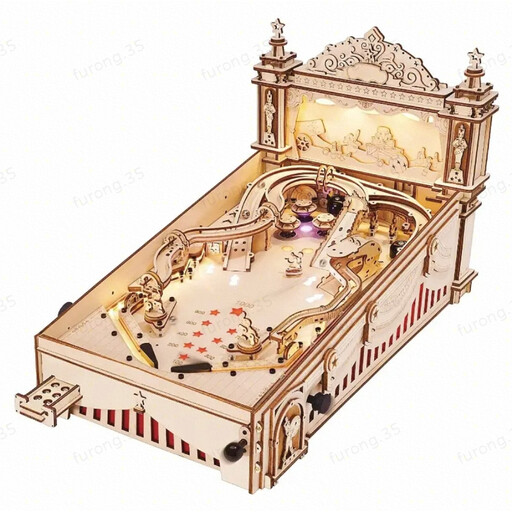
Why it suits this type of user: This is for builders looking for an involved project that can also be used interactively with family or friends once assembled.
The product description lists 482 parts and a build time of seven hours or more. It also gives the space required: approximately 27,5 × 27,5 × 47,5 cm.
USB power, LED lights, sound effects and an infrared sensor for displaying scores, according to the product information.
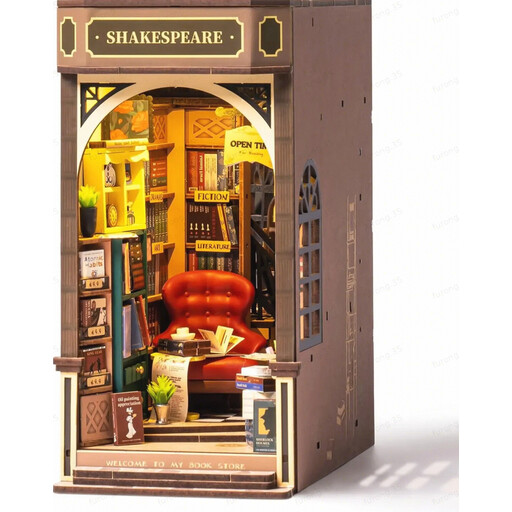
Why it suits this type of user: This miniature bookshop is designed to sit on a bookshelf and has space for small figures or personal touches.
The dimensions, battery requirements and assembly information are listed, so you can check in advance whether the Book Nook will fit on your chosen shelf.
Touch-controlled lighting, wooden inserts and an interior designed to accommodate miniature figures, according to the product description.
We’ve put together a complete, up-to-date list of products that meet these strict selection criteria and the applicable European safety regulations.
It depends on the number of parts and the mechanical complexity. A model with around 142 parts may take approximately two hours, according to the product information. A model with 482 parts can take seven hours or more to build. Plan to work over several sessions if you want to take your time.
Not every kit requires glue. Several Robotime and ROKR models are assembled using wooden parts with click-fit or pin joints. Check the instructions and product contents for each product. Tweezers, sandpaper or small pliers may come in handy, but only use tools that are suitable for the specific model.
Use a soft, dry cloth or brush to remove dust. Avoid water and liquid cleaning products, as these can damage wood, paper and electronic components. Turn a hand crank gently and keep dust away from the gears. Place the model somewhere dry, out of direct sunlight and out of reach of young children.
