
Vandaag of morgen in huis

Kwaliteit gegarandeerd

Welkomstaanbiedingen ontgrendelen: GRATIS bezorging | Tot 80% korting | Gratis 30 dagen JoyPlus-proefperiode
Download de app
A women's walking jacket needs to cope with more than a brief shower in the UK. On a walk, rain, wind, mud and changing temperatures can all come and go quickly. But a jacket labelled “outdoor” or “waterproof” is not automatically right for your needs.
These common pitfalls are worth watching out for:
For regular walks in the rain, a waterproof women's jacket makes more sense than a lightweight windbreaker alone. Check whether the product information mentions a waterproof membrane, a coating or a water-repellent treatment. Also look for taped or sealed seams. Water can seep in through stitched seams, even when the outer fabric keeps the rain out.
A water-repellent finish can become less effective over time due to washing, dirt and friction. Always follow the care label and check whether the manufacturer recommends a suitable reproofing treatment.
A windproof women's jacket is handy on exposed flatlands, dunes and cycle paths. Look for an adjustable hem, elasticated cuffs and a hood that stays put in gusty weather. Ventilation and a breathable lining are useful for active walks. A mesh lining can help air circulate, but it will not eliminate perspiration completely.
For strenuous walks, it is best to use a layering system:
A women's outdoor jacket should leave room around the shoulders and elbows. Check the size chart in centimetres rather than relying on S, M or L alone. When trying it on, reach your arms forwards, fasten the zip fully and check that the hem does not ride up.
These details are useful for walking and climbing:
The selection below is based on the product information, materials, features, colours and available sizes listed. Brand claims about performance have not been independently verified, so check the current product page and size chart before ordering.
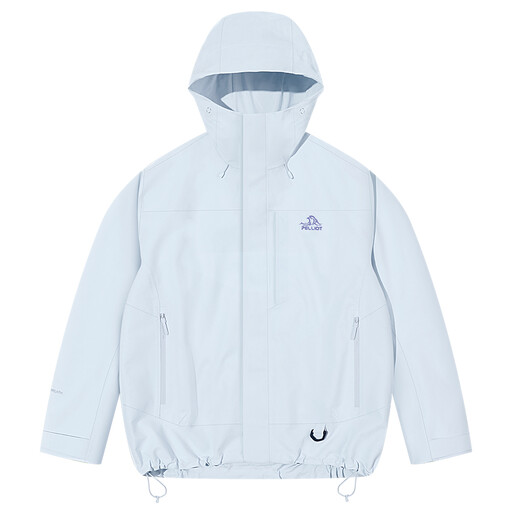
Why it suits this profile: The product title mentions windproofing, waterproofing and oil resistance. This makes it an option for everyday wear, recreational walks and light outdoor activities. The version shown is blue, in size L.
The features listed give you a clearer idea of what the jacket is designed for than the word “outdoor” alone. Check the product page for details of its waterproofing and seams.
Described as windproof and waterproof in the product title; casual design for walking and everyday wear.

Why it suits this profile: According to the product description, this shell features 2L DryVent, a mesh lining, an adjustable hood, elasticated cuffs and two zipped pockets. The size chart runs from XS to 3XL.
The product information covers the seams as well as the material, lining and adjustment features. This gives you more to go on than a standalone claim about water repellency.
100% polyester outer; DryVent material according to the product description; adjustable hood and hem.
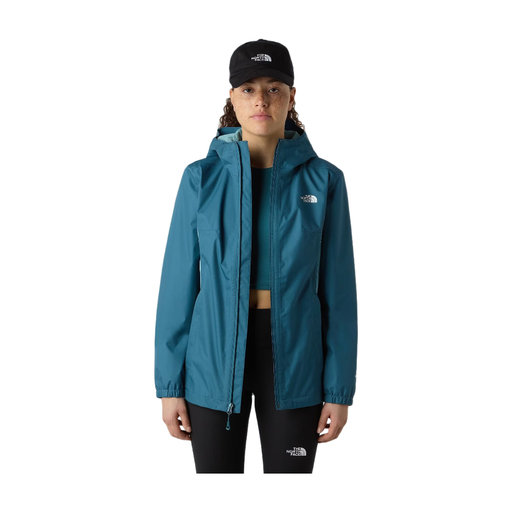
Why it suits this profile: According to the product information, this jacket is designed for walking and more intensive outdoor activities. Its zip-in compatibility means it can be combined with suitable Triclimate products.
Being able to zip in a compatible mid-layer means you do not need a separate jacket for every type of weather. Check which layers are compatible before you buy.
DryVent material according to the product description; zip-in system; adjustable hood and secure side pockets.
We've put together a complete, up-to-date list of products that meet these strict selection criteria and the applicable European safety regulations.
Start with a thin base layer and add a fleece when it's cold. A style such as the 100% polyester The North Face fleece mentioned above can be worn as a mid-layer. Avoid cotton on long or strenuous walks, as it dries slowly when it gets damp.
Its lifespan depends on how often you wear it, how you wash and store it, and how much friction it gets from rucksack straps. Hang the jacket up to air after use, remove mud according to the care label and avoid harsh cleaning products. Over time, pay particular attention to the coating, seams, zips and cuffs.
A softshell is often a good choice for dry, windy weather and allows you to move freely. A women's rain jacket is more practical when prolonged rain is expected. If you walk in a range of conditions, you can combine both with a warm mid-layer. For walking and climbing, a flexible layering system is usually more useful than one heavy jacket for every season.
