
Vandaag of morgen in huis

Kwaliteit gegarandeerd

Welkomstaanbiedingen ontgrendelen: GRATIS bezorging | Tot 80% korting | Gratis 30 dagen JoyPlus-proefperiode
Download de app
Women’s walking boots should suit your route, foot shape and intended use. A lightweight pair for walks around town needs different features from a pair of high-cut boots for women on a multi-day hike through hilly terrain. If you focus only on colour, brand or an attractive offer, you could still end up with cold feet, poor grip or painful pressure points.
A membrane can help keep out rain and splashes, but waterproofing doesn’t automatically tell you how warm or breathable a boot is, or how quickly it dries. When choosing waterproof women’s walking boots, it’s also important to check the lining, insulation and fastening.
A high cut can provide extra coverage, but it doesn’t automatically make a boot suitable for snow or prolonged rain. Always check which features are actually listed in the product description.
A lugged sole with deep lugs can be useful on mud, loose stones and wet paths. However, grip also depends on the rubber, tread pattern and surface. A sole that works well on woodland trails may perform differently on slippery paving or wet rocks.
When looking for walking boots with good grip, check that the sole material and tread are clearly described. Claims such as “all-terrain” or “extreme traction” are no substitute for verifiable information about the construction.
Your feet can swell a little during a walk. Boots that are too short can put pressure on your toes, while a heel that’s too loose may slip. Try walking boots on with the socks you’ll wear when walking. Allow extra room in front of your toes for downhill sections, without letting your foot slide forwards.
A size chart is still important: EU sizes can vary between brands and models. Measure both feet and use the longer foot as your guide.
For wet Dutch walking paths, a water-repellent outer layer and a well-fitting tongue are practical features. A model with a GORE-TEX membrane is described by the brand as waterproof; that doesn’t mean the boot will stay dry in every situation. For example, water could get in over the top of the boot.
For cold conditions, insulated winter walking boots for women with a warm lining make more sense than an unlined trail shoe. According to Salomon’s product information, the Salomon X Ultra 4 Mid Winter TS W has a Thinsulate lining, a waterproof construction and a Winter Contagrip sole.
Choose a flexible sole for flat walks and everyday wear. For women’s trekking boots and routes with stones, mud or changes in elevation, a sturdier base, toe protection and a pronounced tread can be useful.
A stability construction can help the boot roll through each step in a controlled way. According to the product information, the Salomon Quest Tracker GTX combines a stable chassis with a rubber outsole. Its higher cut also offers more coverage than a low-cut model.
Synthetic materials often dry differently from leather and may need less maintenance. Leather women’s boots need regular care with suitable products to keep the material supple. According to the product information, the Geox D Bleyze E Collection is made from 85% full-grain leather and 15% textile. It’s a casual shoe for everyday wear, not necessarily a technical walking boot.
Don’t use harsh cleaners or put outdoor shoes in the washing machine unless the manufacturer specifically says it’s safe to do so. Let your shoes dry at room temperature and avoid direct heat. For models with a membrane, a suitable waterproofing treatment can help care for the outer material.
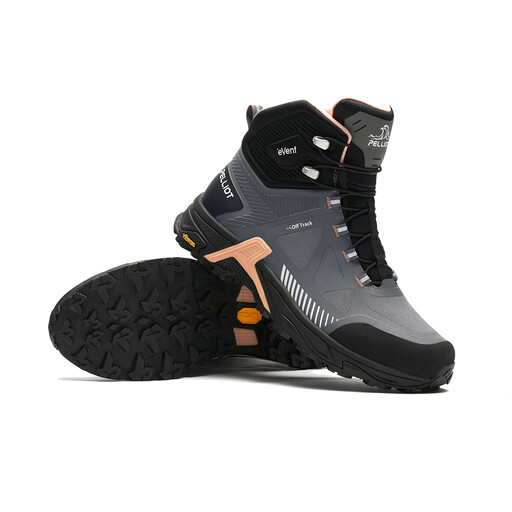
Why it suits these needs: A high-cut synthetic walking boot for camping, travel and walks where extra coverage and protection are useful.
The product description lists a hard-wearing synthetic upper, toe protection and a high-grip lugged sole. Be sure to check the size against your foot length in millimetres.
High cut, protective toe cap, quick-lacing system and rubber sole with a specialist lug pattern.
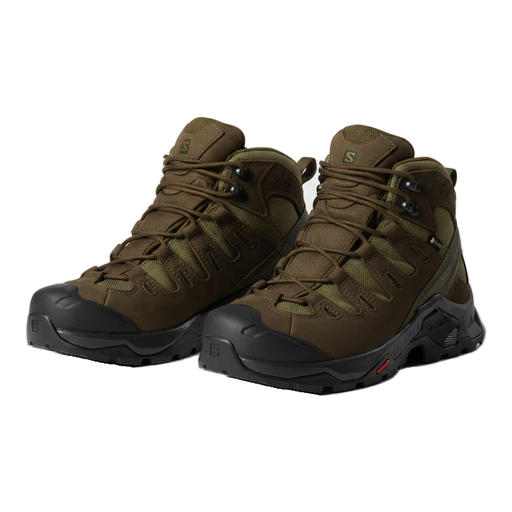
Why it suits these needs: Designed for longer hikes, backpacking and varied terrain where stability, protection and waterproofing matter.
The specifications specifically mention a GORE-TEX membrane, a wide fit and a stable chassis, rather than relying on general outdoor claims.
High-cut construction, GORE-TEX membrane, wide fit and rubber outsole for mixed terrain.
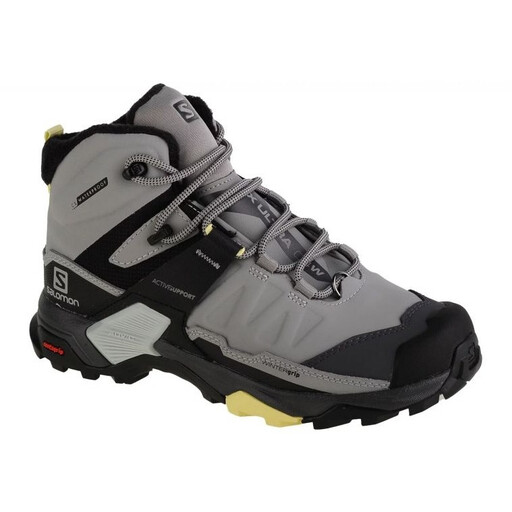
Why it suits these needs: Designed for cold-weather walks, snow and wet winter paths, but also suitable for everyday outdoor use in cold conditions.
The product information lists the Thinsulate insulation, waterproof construction and Winter Contagrip sole separately, so you can assess warmth, protection and grip individually.
Thinsulate lining, waterproof construction, ADV-C Chassis and Winter Contagrip rubber sole, according to the product description.
We’ve put together a complete, up-to-date list of products that meet these strict selection criteria and the applicable European safety regulations.
Look for a waterproof membrane, a well-fitting tongue and a higher cut. Also check whether the boot is designed for walking or trekking. Waterproof women’s walking boots can be practical in light rain, but no model can guarantee that water won’t get in through the top or seams in every situation.
Their lifespan depends on the terrain, how often you wear them, your body weight, how well you care for them and how you store them. Check the soles, seams and lining regularly. When the tread is badly worn or the heel no longer offers support, the boots won’t perform as they originally did. Let them dry naturally after a wet walk and don’t store them while they’re damp for long periods.
Leather shoes can be comfortable for everyday wear and walks on flat ground. They aren’t automatically suitable for trekking, mud or rocky terrain. Compare the sole, fit, protection and water-resistant finish before you buy. According to the product information, a model such as the Geox D Bleyze E Collection is mainly designed for light, everyday use and has a leather upper with textile sections.
