
Vandaag of morgen in huis

Kwaliteit gegarandeerd

Welkomstaanbiedingen ontgrendelen: GRATIS bezorging | Tot 80% korting | Gratis 30 dagen JoyPlus-proefperiode
Download de app
A women's waist trainer for tummy control can temporarily shape your silhouette and provide extra support during everyday activities or a workout. However, the results depend greatly on fit, material and how you use it. A waist trainer that feels too tight, shifts around or doesn't allow enough airflow often ends up unused in a drawer.
So it's worth looking beyond claims such as “maximum compression” or “promotes sweating”. Check the construction, adjustability and sizing instead. Read on to find out what to look for and which styles suit different needs.
A waist trainer with maximum compression isn't automatically comfortable or supportive. If it's too small, the straps may dig in; if it's too large, it may roll up or slip down. Always use the size guide on the product page and measure your waist as instructed.
An adjustable design, such as a triple-wrap waist trainer, has several fastening points. This lets you increase the tension gradually rather than going straight to the tightest setting.
Some styles are described as sweat-promoting waist trainers. According to Feelingirl's product description, this style is designed to encourage more sweating while you wear it. That doesn't automatically mean you'll lose weight in the long term or burn more calories. Sweating mainly causes fluid loss; it isn't a substitute for exercise, nutrition or recovery.
So use a waist trainer as a garment for temporary shaping or support, not as a weight-loss solution on its own.
A boned waist trainer can offer more structure, but the boning should sit flat against your body without digging in. Strap width also matters. A wide abdominal band spreads the pressure over a larger area, while a narrower style may fit more easily under your clothes.
Also check the care instructions. According to the product information, Feelingirl styles should not be put in the washing machine or tumble dryer. Hand-washing, a short soak and hanging to dry help reduce wear on the latex, polyester and fastenings.
The Feelingirl styles listed are made from 35% latex and 65% polyester. According to the product construction, latex provides a firm, stretchy feel, while polyester is often used for durability and moisture management. Check whether you're sensitive to latex. If you're unsure, wear a thin layer of clothing underneath and stop using the product if irritation occurs.
The styles feature a three-layer compression construction and five steel bones. These are verifiable product specifications, but they don't guarantee the same experience for everyone. The boning may provide extra structure around your back and waist, while the three straps help you adjust the tension separately.
The products in this selection vary in strap width. Depending on the size and style, options include double straps measuring 12, 13, 14, 15, 16, 17, 18, 19, 20, 21, 23 and 24 inches wide. A wider style covers more of your tummy; a narrower one may be more practical under a dress, top or sportswear.
Choose a width that suits your needs:
An adjustable abdominal band should fasten securely without restricting your breathing or normal movement. Pain, tingling, numbness or breathlessness are signs that you should loosen or remove the trainer straight away.
A waist trainer for postpartum recovery isn't automatically suitable for every stage after pregnancy. Your body needs time to recover. If you're unsure, ask a midwife, GP or physiotherapist for advice, especially after a caesarean, if you're in pain or if your abdominal muscles are still tender. A product description may mention use after pregnancy, but that isn't personal medical advice.
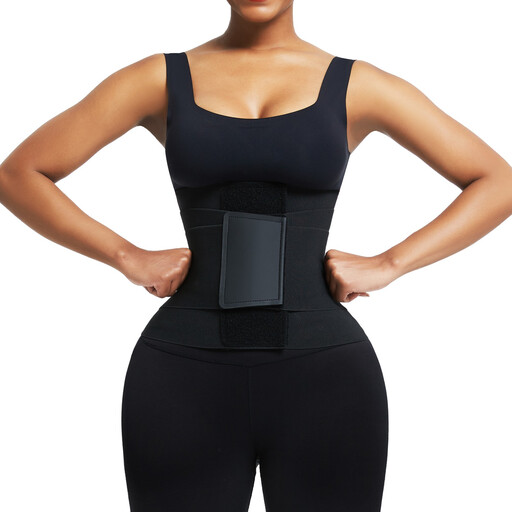
Why it suits this profile: This size S style has a three-layer construction, adjustable straps and 23-inch-wide double straps. It's a good option for anyone comparing tummy-control corsets for the first time, for everyday wear or light workouts.
The three adjustable straps let you increase the tension gradually. The wide double straps spread pressure across more of your tummy than a narrow band.
35% latex and 65% polyester; three-layer construction with five steel bones; 23-inch-wide double straps.
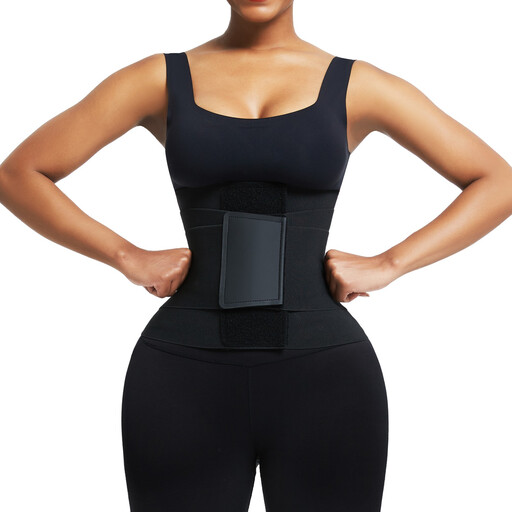
Why it suits this profile: The XL style has 21-inch-wide double straps and is designed for users looking for a roomier size and structured support during everyday activities or sport.
The size and strap width are listed separately. This lets you check the fit and coverage instead of relying on the phrase “maximum compression”.
Size XL; three-layer design; five steel bones; adjustable fastening; 21-inch-wide double straps.
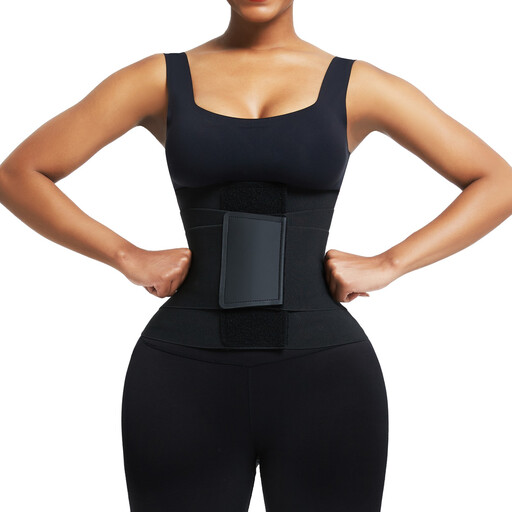
Why it suits this profile: This size S version has 14-inch-wide double straps. The narrower width may suit users looking for a waist trainer for workouts or sportswear, with less coverage around the torso.
The narrower straps make it clear how much of your tummy will be covered. This helps you choose a style to suit your activity and clothing, rather than relying on marketing claims alone.
Size S; 14-inch-wide double straps; three adjustable straps; five steel bones; latex and polyester material.
We've put together a complete, up-to-date list of products that meet these strict selection criteria and the applicable European safety regulations.
Start by wearing it for a short time with the straps loosely fastened. A waist trainer for exercise shouldn't restrict your movement. Take extra care with your breathing, body temperature and skin comfort during yoga, strength training or cardio. Don't wear it while sleeping or use it on damaged skin.
Wash the product according to the instructions provided: soak it for about three minutes in water with a few drops of mild alkaline detergent, gently rub it by hand, rinse it thoroughly and leave it to dry in the shade. Don't wring or shake it, leave it in direct sunlight or machine-dry it.
The waist trainer should fit snugly without causing pain, tingling, breathlessness or skin irritation. You should be able to breathe and move normally. Start with a gentler level of tension and only adjust the straps if the product stays in place.
Only if you can move freely and breathe comfortably. A waist trainer for workouts isn't a substitute for proper sportswear or training. Stop straight away if you feel dizzy, in pain, numb or excessively hot.
Its lifespan depends on how often you wear it, how tightly you fasten it, how much you sweat and how well you care for it. Check the seams, fastenings and boning regularly. Replace the product if the material stretches, becomes damaged or no longer fits evenly.
