
Vandaag of morgen in huis

Kwaliteit gegarandeerd

Welkomstaanbiedingen ontgrendelen: GRATIS bezorging | Tot 80% korting | Gratis 30 dagen JoyPlus-proefperiode
Download de app
Being outdoors is wonderful, especially when the sun is shining. But we also know how important it is to protect our skin. A quality UV-protective jacket for women seems like the perfect solution: protection without the hassle of constantly reapplying sunscreen. Yet, the search isn't always straightforward. Many jackets promise protection but leave you feeling sweaty or are simply uncomfortable.
Before you make a choice, it's wise to understand the common pitfalls. Frequent problems include:
A good sun-protective jacket for women is an investment in your comfort and protection. Below, we explain which specifications to look for to find a model that truly delivers.
To prevent your jacket from languishing unused in your wardrobe, there are a few technical features that make all the difference. Always check for these before making a purchase.
The Ultraviolet Protection Factor (UPF) indicates how much UV radiation the fabric blocks. This is the most reliable standard for sun-protective clothing.
Specifically look for a jacket with UPF 50+ on the label. This guarantees that the fabric provides effective protection. Claims without this certification are often based on fabric density and offer no guaranteed protection.
A women's lightweight summer jacket should keep you cool. The key to this is the fabric's breathability and the presence of ventilation. Look for the following features:
A breathable sports jacket with these properties is ideal for active days and prevents overheating.
The weather can be unpredictable. A jacket that only protects against the sun isn't always enough. A versatile model also has:
women's water-repellent windbreaker for an unexpected shower.Based on these criteria, we have analysed products that combine functionality and comfort. Here is a recommendation that suits a specific user profile.
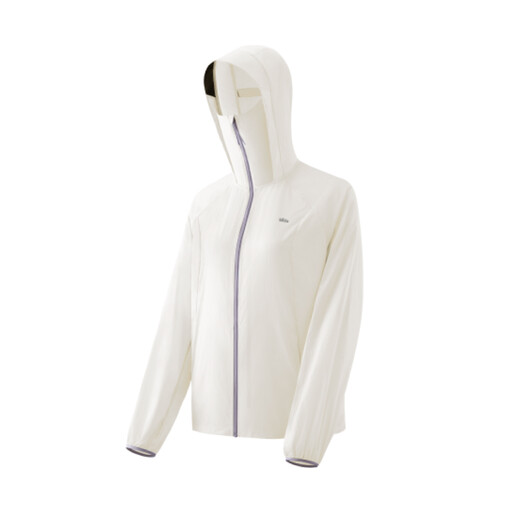
Why This Fits Their Persona: This Beneunder jacket is designed for those who are always on the move. The combination of sun protection, breathability, and a water-repellent finish makes it ideal for unpredictable weather, whether you're cycling, hiking, or travelling.
It addresses the three main pitfalls: it has a clear UPF rating, features breathable mesh panels to prevent the "sauna effect," and has an ergonomic, stretchy fit for optimal freedom of movement.
According to the manufacturer, the fabric offers UPF 100+ protection. The combination of a lightweight, wind- and water-repellent fabric with ventilation zones makes it a highly versatile garment.
While a good UV jacket is essential, pairing it with the right base layer is just as important. For comfortable and stylish options to complete your look, you can explore our selection of summer tops.
We have compiled a complete, real-time list of products that fully satisfy these strict selection criteria and UK safety regulations.
Here are answers to a few common questions about UV-protective clothing.
UPF (Ultraviolet Protection Factor) is used for clothing and measures protection against both UVA and UVB radiation. SPF (Sun Protection Factor) is used for sunscreen and primarily measures protection against UVB radiation, which causes sunburn. A garment with a high UPF rating therefore offers broad and consistent protection.
The UV-protective properties are usually woven into the fabric's fibres and do not easily wash out. Always follow the instructions on the care label. Generally, you should wash at a low temperature, avoid using bleach or fabric softener, and let the jacket air dry. This will preserve the quality and functionality of the fabric for the longest time.
Traditionally, dark colours absorb more UV radiation than light colours. However, technology has advanced to the point where colour has become less important than the UPF rating. A light-coloured jacket with a certified UPF 50+ rating offers excellent protection and has the added benefit of feeling cooler in direct sunlight. Therefore, always trust the specified UPF rating, not the colour.
