
Vandaag of morgen in huis

Kwaliteit gegarandeerd

Welkomstaanbiedingen ontgrendelen: GRATIS bezorging | Tot 80% korting | Gratis 30 dagen JoyPlus-proefperiode
Download de app
Buying women’s underwear seems simple until your briefs start slipping, an edge shows under your trousers or the elastic loses its shape after just a few washes. Marketing terms such as “seamless”, “shaping” and “antibacterial” sound appealing, but they do not always tell you enough about fit or care.
With this practical buying guide, you can compare women’s briefs, women’s thongs, women’s bikini briefs, shapewear and women’s bras based on factors you can actually check.
Sizes vary by brand, style and material. Cotton briefs with little stretch will fit differently from seamless thongs made from polyamide and elastane. So do not look only at S, M, L or XL; also check the waist and hip measurements in the size guide.
Briefs that are too small can dig in and roll down. Briefs that are too large can shift or bunch up under clothing. With women’s shapewear, getting the right size is particularly important: buying a smaller size does not automatically mean more support.
Seamless women’s underwear usually has fewer or no stitched edges, but the waistband, leg opening or colour may still be visible. Pay attention to:
A smooth finish can help, but the overall design determines how invisible the underwear really is.
A product page may use terms such as “antibacterial”, “breathable” or “extra soft”. Treat these descriptions as product information, not as medical guarantees. According to the product information provided by some brands or sellers, for example, the gusset may feature a particular treatment or fibre. That does not prove that the product prevents infections or solves a health problem.
Pay particular attention to the fibre composition, care instructions and construction. These are verifiable details that tell you something about everyday use.
Women’s briefs and women’s bikini briefs generally offer more coverage. They are practical for the office, at home and for everyday wear. A mid-rise style sits around the natural waist and often offers a good compromise between coverage and a lower rise.
Women’s thongs and Brazilian styles have less fabric at the back. This can be comfortable under close-fitting clothing, but the fit of the waistband and leg openings is still crucial for comfort. Do not choose a style based on appearance alone; check the size guide and the level of stretch too.
Women’s cotton underwear feels familiar and is often suitable for everyday rotation. A cotton-elastane blend combines a natural fibre with stretch. According to the product information, Calvin Klein Bikini 3 Pk UB1 uses 95% cotton and 5% elastane.
Women’s modal underwear is often described in product listings as having a smooth, soft feel. However, the exact composition varies from one item to another. Always check the percentage of modal, elastane, nylon and any other fibres.
Polyamide and elastane often provide plenty of stretch and a smooth finish. This makes them appealing for seamless women’s underwear and shapewear, although synthetic materials may feel warmer or handle moisture differently from cotton.
With tummy-control underwear and women’s shapewear, look for:
A style with light shaping is designed to help fabric lie more smoothly, not to permanently change your body shape. According to Feelingirl’s product information, the style below has a double tummy panel and stretchy fabric around the bottom. Its performance still depends on the size, body shape and how it is worn.
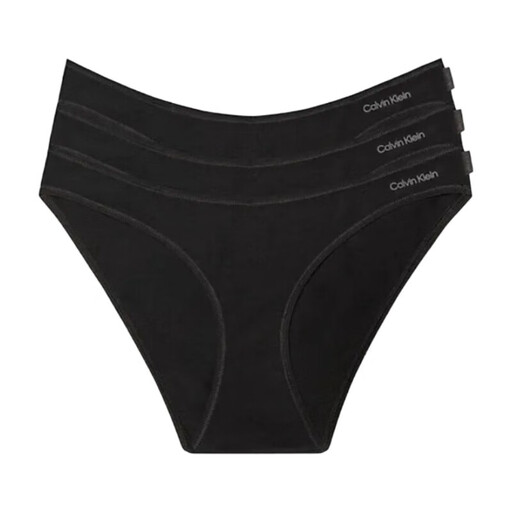
Why it suits this profile: A 3-pack is practical if you want to build an everyday underwear collection. The mid-rise bikini style offers more coverage than a thong.
The product information lists a cotton-elastane blend, a mid-rise fit and flat elastic edges. Be sure to check the size guide before ordering.
95% cotton and 5% elastane according to the product description; machine washable and suitable for everyday wear.
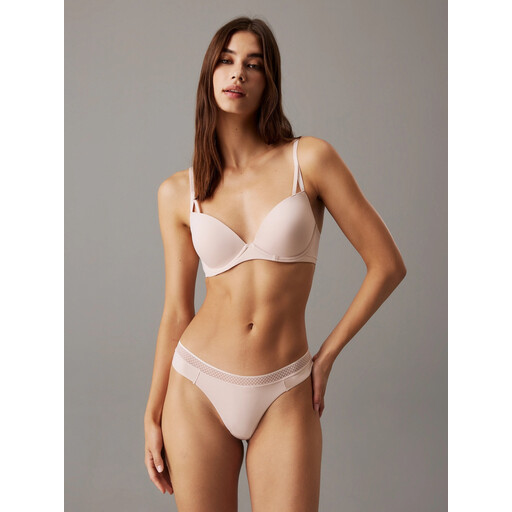
Why it suits this profile: This style is ideal if you are looking for a light, smooth thong with minimal seams under close-fitting clothing.
The product page describes a stretchy design with minimal seams. The composition and care label remain the best guide to expected durability.
According to the product information, the style is made from a beechwood fibre blend with elastane and is machine washable.

Why it suits this profile: An option for anyone looking for light tummy shaping under a dress, office outfit or other close-fitting clothing.
The stated construction includes a double layer around the tummy and comfortable leg edges. The product is described as light shaping, not firm compression.
60% recycled nylon, 28% nylon, 9% spandex and 3% cotton according to the product description; available up to size 3XL/4XL.
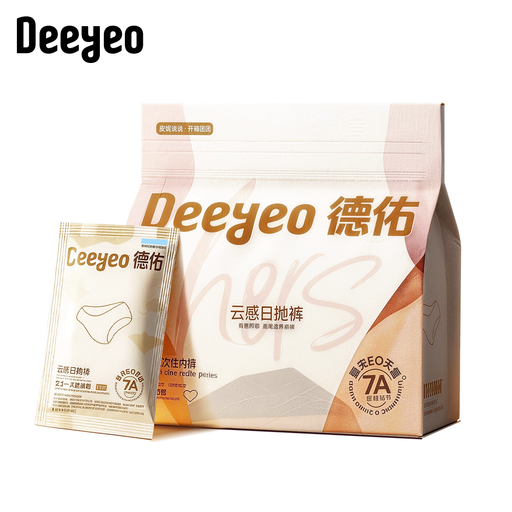
Why it suits this profile: Disposable women’s underwear can be practical when travelling, camping or whenever washing is difficult.
A pack of seven makes it easy to plan how many you will need. Before buying, check the full composition, size and information on the product page.
7-pack for temporary use; according to the product title, made from a soft, breathable cotton-like fabric.
Lifespan is not determined by price alone. Care instructions make a noticeable difference:
A 3-pack of underwear is useful for rotation: by not wearing the same pair repeatedly, the fibres and elastic get more time to recover between washes. Disposable underwear is practical for specific situations, but reusable women’s briefs are generally the more sensible choice for everyday wear.
When choosing a women’s bra, consider the underband, cup shape, straps and support. A seamless bra with fixed cups can work well under T-shirts and lightweight tops, while an underwired style provides more structure. Check that the band does not ride up and that the shoulder straps are adjustable.
When you see claims about breathability, “anti-sagging” or antibacterial materials, pay attention to their source. A manufacturer may claim certain properties based on its own research or product description, but this is not a general guarantee for every wearer.
We have put together a complete, up-to-date list of products that fully meet these strict selection criteria and the applicable European safety regulations.
Measure your waist and hips with a flexible tape measure, without pulling it tight. Compare both measurements with the specific brand’s size chart. If you are between two sizes, also consider the fabric composition and the effect you want. For everyday comfort, the larger of two suitable sizes is often more practical than a style that feels too tight.
There is no fixed timeframe. Replace briefs or thongs when the elastic becomes loose, the fabric starts to thin, the seams become damaged or the fit changes. With shapewear, you may notice wear when the fabric no longer recovers its shape as well or the garment starts to roll up.
Not necessarily. Cotton can feel comfortable for everyday wear, modal is described as smooth and soft in many product listings, and synthetic fibres often provide plenty of stretch. Choose based on fit, how the fabric feels against your skin, your activity, your clothing and the care instructions rather than the material name alone.
