
Vandaag of morgen in huis

Kwaliteit gegarandeerd

Welkomstaanbiedingen ontgrendelen: GRATIS bezorging | Tot 80% korting | Gratis 30 dagen JoyPlus-proefperiode
Download de app
A pair of women’s trainers may look appealing online, but that does not tell you enough about how comfortable they are to wear. A soft sole may become less comfortable after a short time, a mesh upper can be vulnerable and a standard fit varies from one model to another. If you focus only on colour or brand, you risk buying a pair that hardly ever gets worn.
This buying guide will help you compare comfortable women’s trainers more effectively. We look at fit, materials, soles, care and intended use. Afterwards, you will find some popular options for everyday wear, light training and an active lifestyle.
Trainers with Memory Foam may feel comfortable when you try them on, but the insole is not the only factor that determines how comfortable a shoe is. Width, heel support and sole flexibility also matter. A soft insole cannot compensate for a shoe that is too loose or too narrow.
Always check:
A textile or mesh upper is often chosen for ventilation. This is practical for walking, commuting and light training. However, the material does not automatically protect you from rain. According to the product information, some models are water-repellent, while others simply have a breathable upper.
So, if you are looking for breathable women’s trainers, you need to distinguish between ventilation and moisture resistance. For wet bike rides or long walks in changeable weather, a model with a treaded sole and water-repellent properties may be more suitable.
Many sporty women’s trainers have a dynamic shape, but they are intended for walking, everyday wear or light training. For intensive running, the sole construction, stability and fit are all important. So, do not automatically use a casual model for long or demanding runs.
Ideally, measure your feet at the end of the day, when they take up slightly more room. Compare the measured length with the size guide for the specific model. An EU size is not exactly the same for every brand or model.
The range includes women’s trainers in sizes 37 to 41, but check each product to see which sizes are actually available. Pay particular attention to conflicting information between the title, size guide and product description. If a model comes up large, a smaller size may be recommended; with a standard fit, your usual size is generally advised.
A clear example of vegan women’s trainers is the Skechers Bobs Geo-New Aesthetics. According to the product information, this model is made from textile and rubber and is described as 100% vegan.
For everyday use in the Netherlands, a rubber outsole with tread is practical on a range of surfaces. A flexible sole can feel comfortable when walking and doing the shopping. For fitness or light training, sufficient grip is also important.
Pay attention to the difference between:
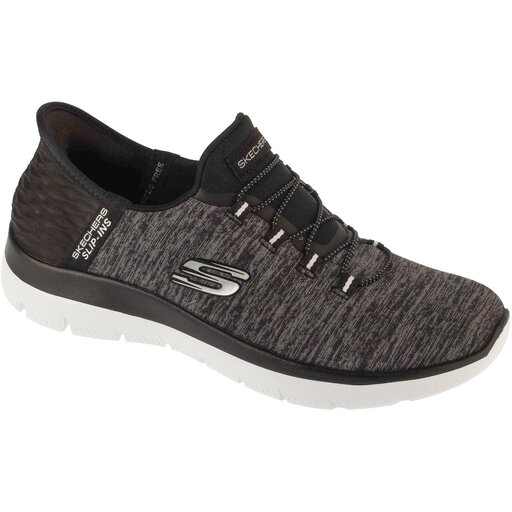
Why it suits this profile: A low-cut model with a standard fit, textile upper and slip-on design without a traditional fastening. Handy for everyday wear when you want to put your shoes on quickly.
The product information states that it has a standard fit and recommends your usual size. This means you do not have to rely solely on its appearance or a general comfort claim.
Textile upper, rubber sole and low weight according to the product description. The black version is easy to pair with casual clothing.
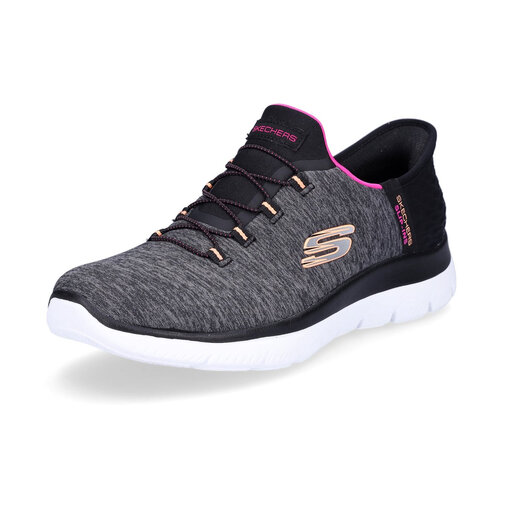
Why it suits this profile: This Skechers Slip-Ins model combines a standard fit with an Air-Cooled Memory Foam insole and a flexible, shock-absorbing midsole.
The specifications mention both the materials and the sole construction. This allows you to assess the model more accurately than by relying on the word “comfortable” alone.
Vegan according to the product information, machine washable and featuring a textile upper, rubber sole and heel cushion.
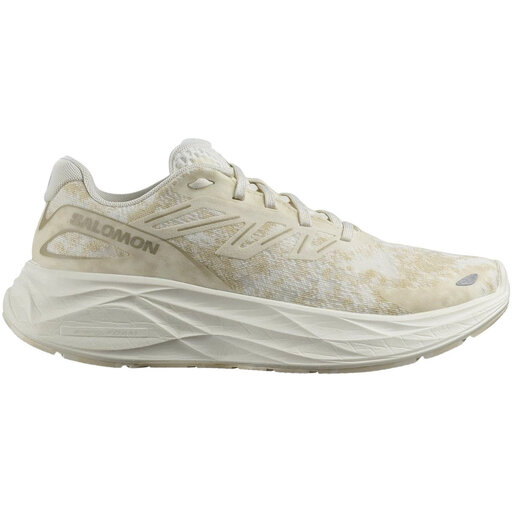
Why it suits this profile: According to the product description, this women’s model is designed for running on paved surfaces, urban routes and daily training.
Its intended use is clearly described. This reduces the risk of using a casual trainer for an activity it was not designed for.
Lace fastening, synthetic-textile upper and a thick rubber sole with grip and cushioning according to the product information.
We have put together a complete, up-to-date list of products that fully meet these strict selection criteria and the applicable European safety regulations.
The right care depends on the material. Textile and mesh can usually be cleaned gently with a soft brush, lukewarm water and mild soap. Leather models require a damp cloth and, according to the product information, should not be put in the washing machine. Even with machine-washable trainers, it is advisable to follow the care label and allow the shoes to air-dry.
Avoid tumble dryers and direct heat. Heat can affect adhesive bonds, synthetic materials and the shape of the sole. Allow wet trainers to dry completely before storing them.
Choose a model with a standard fit, flexible rubber sole and sufficient heel support. For long days, a soft insole and breathable textile can make a real difference. Slip-ons are practical if you want to get going quickly, while laces offer greater adjustability.
Measure both feet and use the size guide for the model you have chosen. Use the larger foot as your reference and check the size recommendation. If the shoe is described as coming up large, a smaller size may be recommended. Also check that your favourite socks leave enough room around the toes.
Their lifespan depends on walking distance, surface, body weight, care and the type of activity. Look out for wear on the tread, tears in the upper and a sole that remains crooked or has become compressed. With intensive training, replacement is generally needed sooner than with occasional casual use.
