
Vandaag of morgen in huis

Kwaliteit gegarandeerd

Welkomstaanbiedingen ontgrendelen: GRATIS bezorging | Tot 80% korting | Gratis 30 dagen JoyPlus-proefperiode
Download de app
A pair of women’s trainers may seem quick to choose online. However, small differences in fit, materials and sole construction can have a major impact on comfort. A style that looks good is not automatically suitable for long walks, fitness sessions or wet Dutch cycle paths.
The most common pitfalls:
Ideally, measure your feet at the end of the day, when they take up slightly more space. Then check the size chart for the specific model. Don’t look only at the EU size; also pay attention to:
The Skechers Arch Fit-Big Appeal 149057-BBK in size 36 is listed in the product information as having a standard fit with width G, but the size advice says that this model runs large. In that case, a smaller size may be more suitable. Always check this on the product page before ordering.
Men looking for men’s shoes size 44 should also check the specific size chart. A walking shoe may sometimes have a different amount of internal space from a low-top trainer.
A rubber outsole can provide grip and durability, but the tread also helps determine what the shoe is suitable for. For everyday use, a flexible sole and low weight are often practical. For woodland paths, mud or uneven terrain, a deeper tread and higher shaft are more useful.
Leather, synthetic leather, canvas and mesh react differently to moisture and dirt. Textile and mesh can offer ventilation, but they are not automatically waterproof. Nubuck can be durable, but requires care with a suitable product.
According to the product description, the Nike Manoa 454350 features a nubuck leather upper with a water-repellent construction. This makes the high-top shoe an interesting option for wintry conditions, but “water-repellent” should not be treated as the same as being waterproof for extended periods.
The PELLIOT models are described as featuring a waterproof membrane, synthetic outer layer and rubber sole with a deep tread. Check the current specifications, available sizes and care instructions before buying. Even with waterproof walking shoes, proper drying remains important: do not place shoes directly on a radiator and do not use harsh cleaning products.
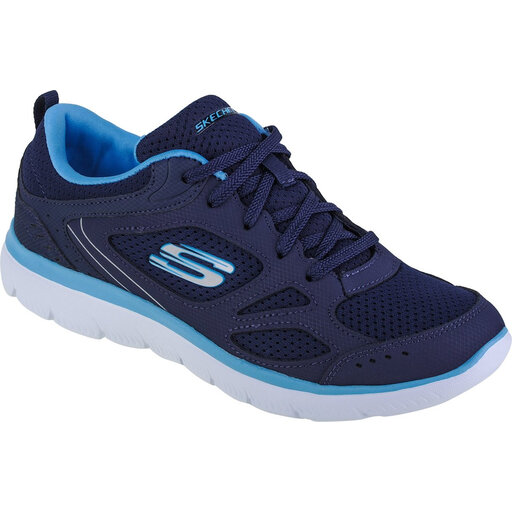
Why it suits this profile: According to the product information, this low-top model is designed for everyday use and has a synthetic leather upper, textile lining and memory foam insole.
The product specifications state that the fit is standard and specify size 40. This allows you to compare your choice using concrete information rather than relying on photos alone.
Lace-up fastening, rubber sole, synthetic leather upper and memory foam insole.
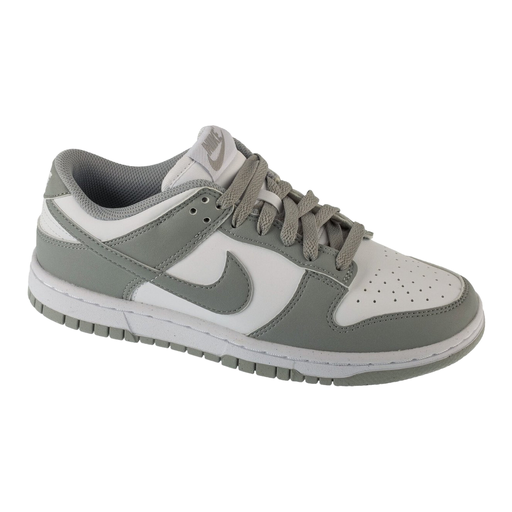
Why it suits this profile: According to the product description, this low-top trainer combines leather and textile with a padded collar, cushioned insole and rubber outsole.
The material construction, sole and size 36 are clearly stated. This means you can assess the style alongside the practical features.
Leather and textile upper, padded collar and rubber sole with pivot-point tread.
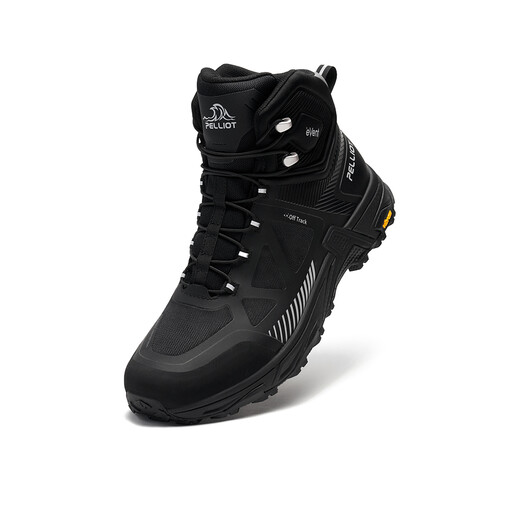
Why it suits this profile: This high-top model is designed for walking and outdoor activities. The product information states that it has a waterproof membrane, protective toe cap and rubber sole with a deep tread.
The specifications distinguish between the membrane, tread and protective toe cap. This helps prevent a standard casual trainer from being used on rougher terrain.
High shaft, waterproof membrane, quick-lace system and size 44 available according to the product listing.
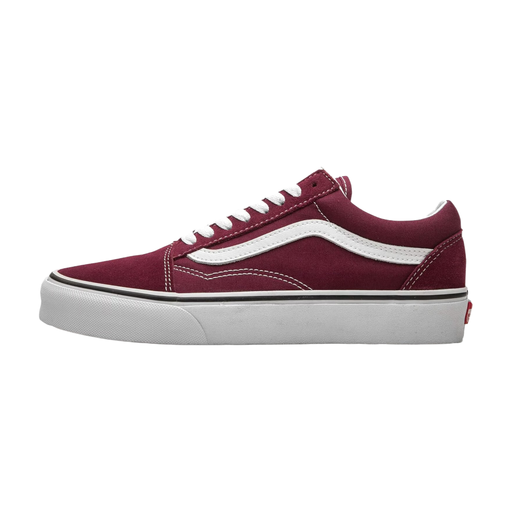
Why it suits this profile: The low-top Vans Old Skool trainer has a textile upper, textile lining and rubber sole. This works well with simple everyday outfits.
The product information lists care restrictions, including not washing at high temperatures. This helps you form a realistic view of the care required.
Textile upper, rubber sole, size 38.5 and a colourway that is easy to combine with other clothing.
We have put together a complete, up-to-date list of products that fully meet these strict selection criteria and the applicable European safety regulations.
Start by measuring both feet and use the size chart for the model you have chosen. Also check the width and fit advice. If you are between two sizes, the larger size may be more practical, particularly for walking shoes worn with thicker socks. For example, look specifically at women’s shoe sizes 36, 37, 39, 40 or women’s shoe size 41 rather than relying on the brand alone.
That depends on the sole, fit and surface. Low-top casual trainers are generally suitable for short walks in town. For longer routes, wet paths or uneven terrain, women’s walking shoes with a more durable tread and greater heel or ankle support are the more sensible choice. Also check whether the model is described as water-repellent or genuinely waterproof.
Their lifespan depends on walking distance, body weight, surface, care and materials. Replace a pair when the sole becomes visibly smooth, the heel wears unevenly or the inside no longer provides a good fit. After walking in the rain, allow shoes to dry at room temperature and, where possible, alternate between two pairs. This gives each pair time to air between wears and makes it easier to monitor wear and tear.
