
Vandaag of morgen in huis

Kwaliteit gegarandeerd

Welkomstaanbiedingen ontgrendelen: GRATIS bezorging | Tot 80% korting | Gratis 30 dagen JoyPlus-proefperiode
Download de app
A new pair of women’s trainers should look good, but appearance says little about comfort. A trainer that looks lightweight and soft in an online shop may feel too narrow in practice, offer little grip or become too warm on a long walk. Technical terms can also be made to sound more impressive than they are when it comes to women’s sports shoes and women’s running shoes.
That’s why the Joybuy Product Recommendation Officer filters out the most important buying criteria from the product information. This helps you compare models by use, materials, fit and care rather than just by brand name or colour.
A low-top style such as a women’s Nike Dunk Low or a classic Converse trainer pairs easily with jeans and casual clothes. That doesn’t automatically make it suitable for running, long walks or intensive training. Pay attention to the difference between casual women’s trainers and a proper running shoe.
For everyday wear, a stable sole, a secure lace fastening and enough room for your toes are important. For running, cushioning, a breathable upper and a sole designed for the surface you’ll be running on also matter.
An EU size isn’t the same across every brand or model. The shape of the last, the width and the material all affect how a shoe feels. Measure both feet at the end of the day and compare the longer foot with the size chart in centimetres.
Check the sizing advice too. Several Skechers models in this range are described as coming up large, with a size smaller recommended. The Adidas Adizero Boston 13 W, by contrast, is described in the product information as true to size.
The term cushioning doesn’t tell you everything. A soft sole can feel comfortable for walking, but a running shoe is often designed for a different purpose, such as a smooth transition or energy return. According to adidas’s own product information, for example, the Adizero Boston 13 W features Lightstrike Pro foam and Energy Rods for running. This makes it better suited to training than to a simple everyday outfit.
So first check what you need the shoe for. If you’re looking for cushioned women’s trainers for your commute, don’t automatically choose a race-focused running shoe.
A good fit starts with foot length. When trying shoes on, leave a little room for your toes without letting your heel lift as you walk. When ordering online, check:
A removable insole can be useful if you wear your own orthotic insole. Not every model has this feature: several Skechers models, for example, are listed as having a non-removable insole.
Textile and mesh generally let more air through than a fully closed synthetic or leather upper. Mesh can work well for walking, fitness and everyday wear, but needs more care in rainy weather. Leather and synthetic materials are easier to wipe clean, but may feel less breathable.
Check the seams, tongue and collar around the ankle too. A soft lining and correctly adjusted laces can help prevent pressure points, but comfort ultimately comes down to personal preference.
For Dutch streets, shops and cycle paths, a sole with a reliable tread is practical. If you mainly run on tarmac, look for models that the product description says are designed for hard surfaces. The Salomon Aero Glide 2 W, for example, is linked in the product information to running on tarmac and urban routes.
It’s best not to use a casual model for regular running training if the product description doesn’t indicate that it’s suitable. Check the care instructions too: many models should only be cleaned with a damp cloth and must not go in the washing machine.
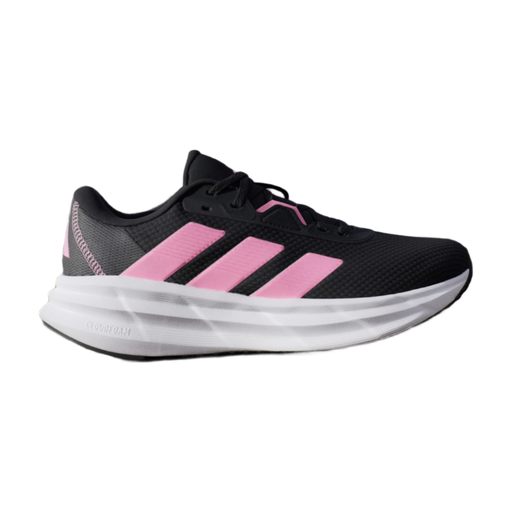
Why it suits this profile: Its lightweight construction, textile lining and versatile colourway make this model suitable for everyday wear, short walks and casual outfits.
The product information mentions a lightweight design and a tread pattern for grip. Be sure to check your foot length: the listed variant is EU 38, with a stated foot length of 22,9 cm.
Synthetic and textile upper, soft textile lining, lightweight design and care with a damp cloth.
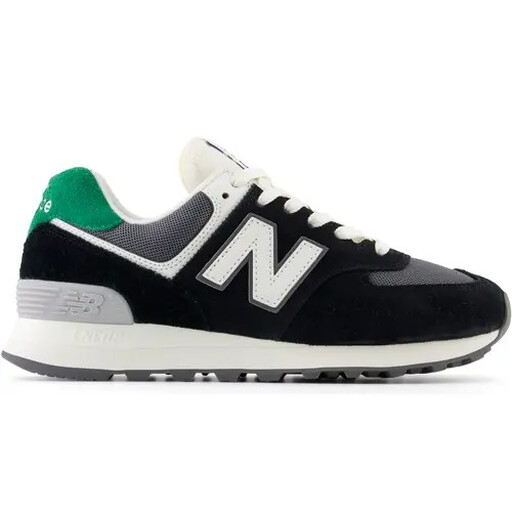
Why it suits this profile: Its retro shape goes well with jeans, dresses and sporty outfits. This model is designed for everyday wear and combines suede, mesh and an ENCAP midsole, according to the product description.
The materials are clearly listed. That means you can decide in advance whether you’re happy to care for a combination of suede and mesh, rather than choosing based on appearance alone.
ENCAP midsole according to the product information, rubber outsole and breathable mesh combined with suede.
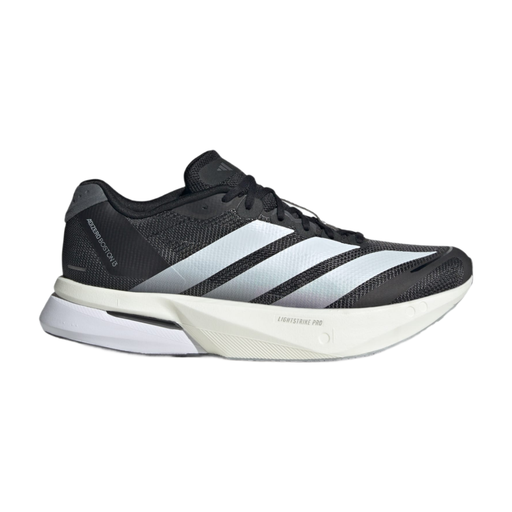
Why it suits this profile: According to the product information, this model is designed for training and racing. It’s suited to runners looking for a dedicated women’s running shoe for tarmac and faster paces.
The shoe is presented as a running model, not as an all-purpose casual trainer. This helps you avoid choosing a race-focused sole for everyday wear alone.
Lightstrike Pro midsole, technical mesh, Energy Rods and rubber outsole, according to adidas’s own product information.
We’ve put together a complete, up-to-date list of products that meet these strict selection criteria and the applicable European safety requirements.
Look for a lightweight upper, plenty of room for your toes, a fastening that keeps your heel in place and a grippy sole. Casual models from Skechers, New Balance and Adidas may be suitable, provided the fit works for your foot. Always check the specific size chart and care instructions.
Their lifespan depends on how far you walk, your body weight, the surface, how well you care for them and how often you wear them. A pair worn every day will wear out faster than one you alternate with other shoes. Look out for a worn-smooth tread, cracks in the sole, loose seams and compressed cushioning. Only wash trainers according to the manufacturer’s instructions and leave them to air-dry.
Measure your feet in centimetres, compare both feet with the product size chart and read the sizing advice. Also check the materials, sole type, returns policy, care instructions and intended use. This lets you compare Adidas women’s trainers, Skechers women’s trainers, New Balance women’s trainers and women’s Nike Dunk Low trainers based on verifiable features rather than brand recognition alone.
