
Vandaag of morgen in huis

Kwaliteit gegarandeerd

Welkomstaanbiedingen ontgrendelen: GRATIS bezorging | Tot 80% korting | Gratis 30 dagen JoyPlus-proefperiode
Download de app
Women’s trainers may seem easy to choose at first glance. However, the wrong size, unsuitable material or a sole that does not match how you plan to use them can quickly lead to a disappointing purchase. This applies to casual women’s trainers, sports trainers and running shoes alike.
The Joybuy Product Recommendation Officer selects products based on verifiable information, such as material, sole, fit and the intended use described. This helps you separate marketing language from the features that really matter in everyday use.
A popular brand does not automatically mean that a model is suitable for every activity. A low-cut canvas trainer may be comfortable for everyday wear, but it does not offer the same features as women’s running shoes. Models such as Salomon Aero Glide 2 W and adidas Adizero Boston 13 W are described as being designed for running and more intensive use. A lifestyle model is not automatically a suitable alternative.
A white tennis-style design, retro shape or striking colour accent may work well with your wardrobe, but you should also check the insole, lining and sole construction. A model with a textile upper often feels light and airy. Leather or synthetic leather, on the other hand, can provide a more enclosed and robust finish. The right choice depends on the season, how long you will wear them and how much maintenance you are prepared to do.
Sizes vary between brands and models. Skechers states for several models that they come up large, advising customers to order one size smaller. Other models, such as Skechers Sport Court 92, are described as true to size. So do not look only at the EU size. Also check the size chart, foot length and width. A shoe that is too long or too narrow may feel uncomfortable when walking every day.
Consider these points before ordering women’s trainers:
Measure your feet at the end of the day, wearing the socks you normally use. Compare both feet and choose your size based on the longer foot.
The upper largely determines how a trainer feels and how it needs to be maintained.
Also check the lining. A textile lining can affect the wearing experience, particularly when you wear the shoes for several hours at a time.
A rubber outsole provides grip, but its thickness and shape also make a difference. A flat sole often works well with casual outfits and for city wear. Running shoes usually place more emphasis on cushioning, stability and grip on tarmac.
According to the product information, the Salomon Aero Glide 2 W is specifically designed for running on hard surfaces. The adidas Adizero Boston 13 W features Lightstrike Pro foam, Energy Rods and a Continental rubber outsole, among other things, according to the product specifications. These features make the model intended for running rather than simply walking or pairing with casual clothing.
When it comes to brand claims about comfort or performance, the following applies: these features are present according to the brand’s product description. There is no guarantee that every wearer will experience the same level of comfort.
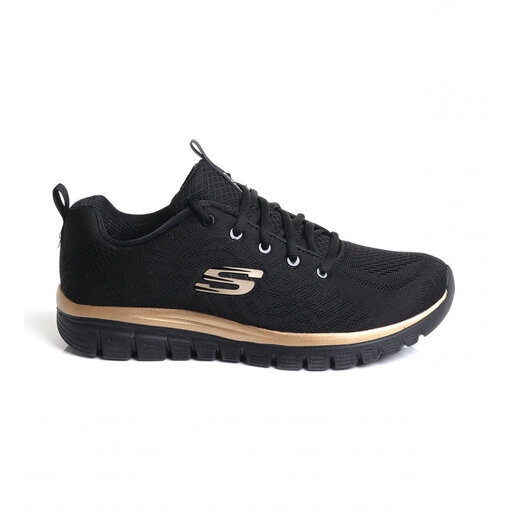
Why it suits this profile: A low-cut textile model for everyday wear, with laces and pull tabs to make putting them on and adjusting the fit straightforward.
The product information explicitly states that this model comes up large and recommends ordering one size smaller. This helps prevent ordering the wrong size.
Textile upper, Memory Foam footbed according to the product description, and a 2 cm PU sole.
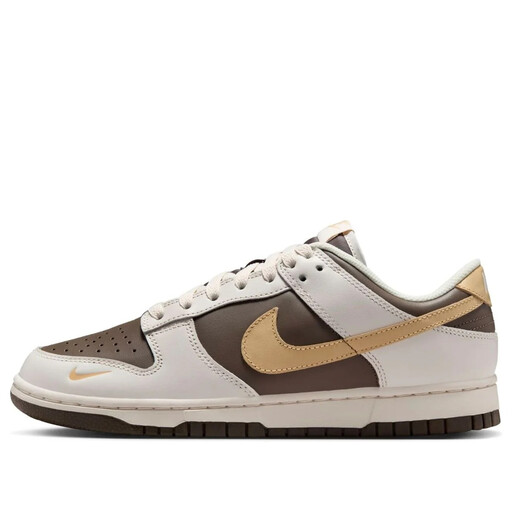
Why it suits this profile: A leather Dunk Low with a recognisable low-cut shape for anyone looking to combine style, durable materials and everyday wearability.
The product details specify the leather upper, reinforced stitching and rubber outsole. This allows you to choose based on the material rather than colour alone.
Leather upper, padded collar, cushioned insole and rubber sole with pivot point according to the product information.
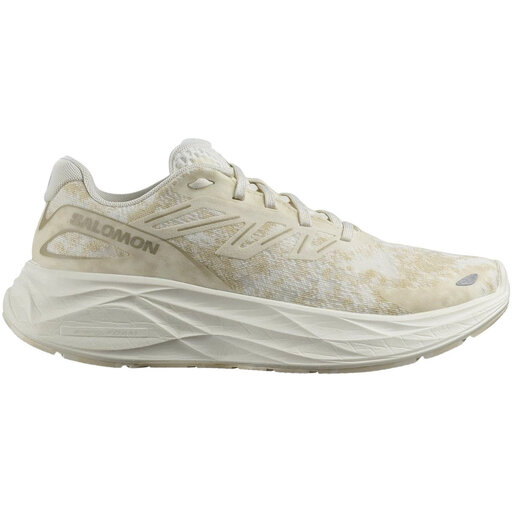
Why it suits this profile: Designed for running on tarmac and urban routes, for anyone who does not want to use a casual trainer during training sessions.
The intended use is clearly described as running on hard surfaces. This makes the difference from lifestyle models immediately clear.
Synthetic and textile upper, lace fastening and a thick rubber sole with grip and cushioning according to the product description.
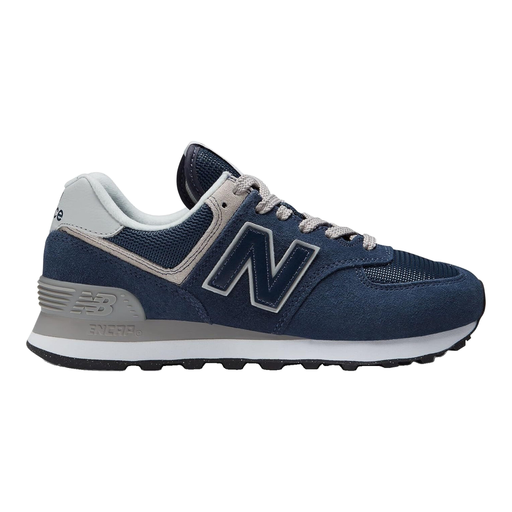
Why it suits this profile: The retro shape and navy colour work with jeans, dresses and sporty outfits, while the mesh and EVA are designed for everyday comfort.
The product information specifically lists a mesh upper, EVA midsole and rubber outsole. You can therefore assess your choice based on the materials and construction.
Suede overlays, breathable mesh panels, EVA midsole and rubber outsole according to the product specifications.
For a classic streetwear look, you could consider women’s Nike Dunk Low trainers. Women’s Converse trainers and women’s Vans trainers offer recognisable canvas styles with a low-cut fit. Women’s Lacoste trainers often draw on a tennis-inspired shape, while women’s Puma trainers can have a slimmer, sporty silhouette.
If you are mainly looking for a soft insole and everyday comfort, explore women’s Skechers trainers. For a retro look, women’s New Balance trainers, such as the 574, are a practical option. If you use your trainers for running, compare women’s Salomon running shoes with women’s adidas running shoes in terms of sole, cushioning, fit and intended running surface.
We have compiled a complete, up-to-date list of products that fully meet these strict selection criteria and the applicable European safety regulations.
Choose a model with a comfortable, secure fit, a rubber outsole and an insole that feels pleasant underfoot. Textile is often lightweight, while leather or synthetic leather provides a more enclosed upper. Always check the size advice for the specific model.
Their lifespan depends on walking distance, surface, body weight, material and maintenance. Allow wet shoes to dry at room temperature, avoid direct heat and follow the specific cleaning instructions. Regularly check the sole, stitching and insole for signs of wear.
You can, but they are designed for a different type of use. Running shoes have features intended for movement and specific surfaces, while casual trainers are mainly designed for everyday styling and walking. Choose based on your main activity rather than appearance alone.
