
Vandaag of morgen in huis

Kwaliteit gegarandeerd

Welkomstaanbiedingen ontgrendelen: GRATIS bezorging | Tot 80% korting | Gratis 30 dagen JoyPlus-proefperiode
Download de app
Choosing a new pair of women’s trainers may seem straightforward. However, there are clear differences between casual styles, women’s sports shoes and women’s running shoes. For example, a soft insole does not automatically mean that a shoe is suitable for long walks. A stylish design may also feel less comfortable if the shoe’s shape does not suit your foot.
So pay particular attention to these common pitfalls:
First, decide what you will use the trainers for. For everyday wear, a flexible sole, reasonably low weight and a fastening that can be adjusted securely are practical features. When walking on asphalt or other hard surfaces, sufficient grip is important.
Women’s running shoes are a separate category for running. Look for a combination of shock absorption, stability, ventilation and a secure fastening. A casual style such as some women’s Adidas trainers or women’s New Balance 574 trainers may be suitable for everyday walking, but is not automatically intended for training mileage.
The upper largely determines how the shoe feels and how easily your foot can move.
Also check whether the insole is removable. This can be useful if you use your own insole. Not every model offers this option.
Measure your feet at the end of the day, when they often have slightly more volume. Place your heel against a wall, measure your longest toe and compare the result with the brand’s size chart. If you wear socks with your trainers, measure your feet while wearing them.
Pay attention to the width as well. A shoe with a standard fit may feel different from a model with a wider shape. The product information for several women’s Skechers trainers states that the model comes up large and that you may wish to consider going down a size. Use this as a starting point, but always compare it with your own foot length and a pair that already fits you well.
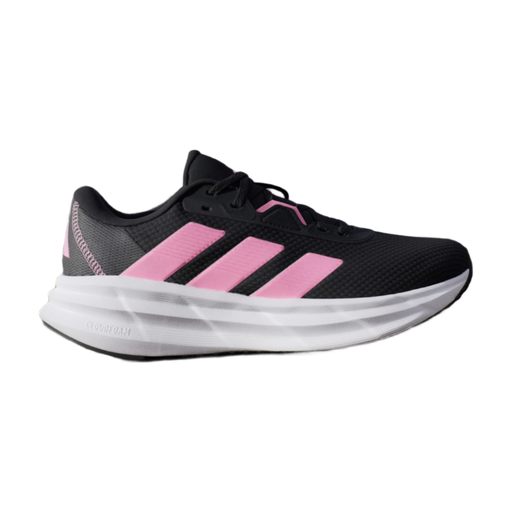
Why it suits this profile: According to the product information, this model has a lightweight construction and is intended for everyday use. The combination of synthetic material and textile makes it a practical choice for commuting, shopping and casual outfits.
The product description mentions a lightweight construction and a sole profile designed for grip. However, check whether these features suit your surface and walking distance.
Lightweight design, textile lining and EU size 38 with a stated foot length of 22.9 cm.
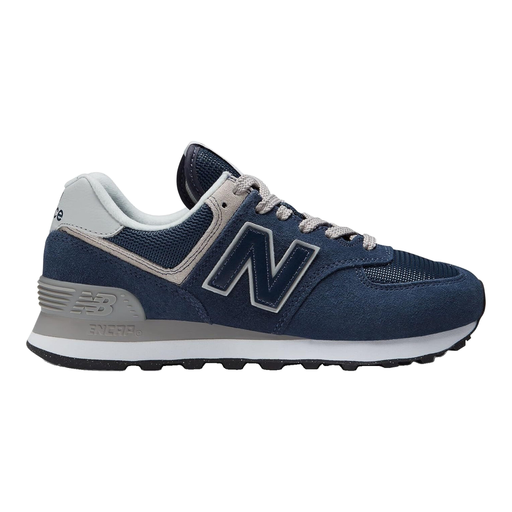
Why it suits this profile: According to the product details, the retro shape combines suede overlays, mesh and an EVA midsole. This makes the model a good fit for anyone looking to combine a polished casual appearance with practical features.
The material composition is clearly stated. This helps you distinguish the open mesh section, suede overlays and rubber outsole.
EVA midsole, mesh for ventilation and rubber outsole for everyday use.
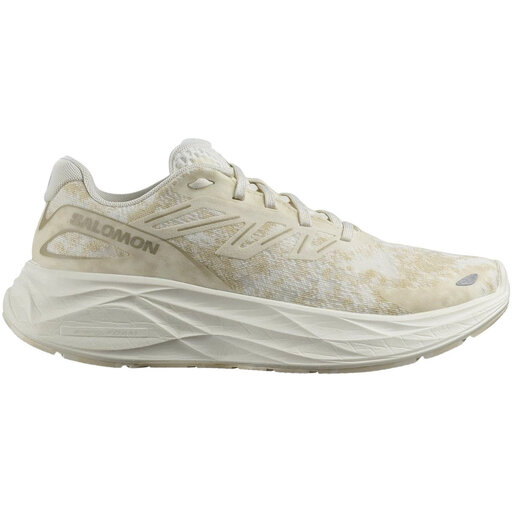
Why it suits this profile: The product information specifically links this model to running on hard surfaces such as asphalt. The lace fastening, thick rubber sole and stated cushioning are suited to urban training routes.
The intended use is described more specifically than with an ordinary lifestyle trainer. Still, check the fit and do not choose the shoe solely because it mentions ‘cushioning’.
Textile and synthetic upper, soft textile lining and rubber sole with grip and cushioning according to the product description.
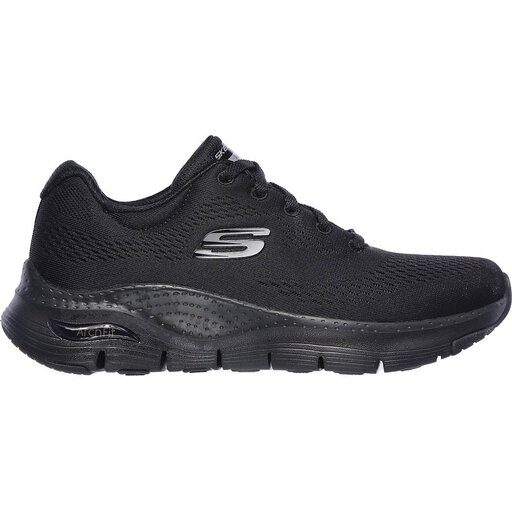
Why it suits this profile: The product information lists an engineered mesh upper, lace fastening and an Air-Cooled Memory Foam insole. This makes the model appealing for everyday wear and light sporting activities.
The model comes with specific size advice: according to the product page, it comes up large and you may wish to consider going down a size. Check this before ordering.
Textile upper, rubber sole, lace fastening and an insole with Air-Cooled Memory Foam according to the product details.
We have put together a complete, up-to-date list of products that fully meet these strict selection criteria and the applicable European safety regulations.
Lifespan depends on use, surface, body weight, fit and maintenance. Where possible, alternate intensively used trainers with a second pair. This allows the material to air between wears and helps prevent the sole from being under constant strain.
Practical care tips:
If you are unsure about performance or comfort, rely on the verifiable product details. Brands may describe features such as cushioning, grip or ventilation based on their own research or measuring methods. Treat these claims as product information rather than a guaranteed personal experience.
Choose a model with a comfortable fit, sufficient grip and a sole suited to asphalt or walking paths. For everyday walking, models with mesh or textile uppers can be comfortable. For longer distances, it is sensible to assess cushioning, heel fastening and foot width together.
Measure both feet and use the longer foot as your guide. Compare the measured length with the brand’s size chart. For models with explicit advice that they come up large, such as certain women’s Skechers trainers, going down a size may be suitable. Also check the returns policy before ordering.
There is no fixed timeframe. A pair worn every day will wear out faster than a model used in rotation. Pay particular attention to wear on the outsole, deformation of the heel and loss of cushioning. These signs tell you more than the age of the trainers alone.
