
Vandaag of morgen in huis

Kwaliteit gegarandeerd

Welkomstaanbiedingen ontgrendelen: GRATIS bezorging | Tot 80% korting | Gratis 30 dagen JoyPlus-proefperiode
Download de app
In the Netherlands, women’s trainers often need to handle several things: cycling to work, walking around town, doing the shopping, finishing off a casual outfit and sometimes supporting a workout. Yet the options can quickly start to look much the same. A mesh upper, soft sole and sporty shape are often promoted as benefits, but they don’t automatically mean a shoe will suit your feet or the way you plan to use it.
A highly cushioned trainer can feel comfortable when you try it on briefly. For everyday wear, though, width, heel fit and room around the toes are important too. A heel that’s too loose can rub, while a narrow toe box can create pressure. So don’t just look for terms such as “comfort” or “Memory Foam”; check the stated fit and sizing advice as well.
Women’s running shoes are designed for repeated movement while running. That doesn’t automatically make them suitable for the office, long walks around town or strength training. Running shoes can have a relatively pronounced sole and a more specific fit. For casual wear, a stable rubber outsole, a versatile look and easy care are often more practical.
Skechers women’s trainers, New Balance women’s trainers, adidas women’s running shoes and Puma women’s trainers all include models for different uses. The brand alone won’t tell you whether a pair is right for you. Check the upper material, sole, fastening, insole and official sizing for each model.
Ideally, measure your foot at the end of the day, when your feet may need a little more room. Compare the length in centimetres with the size chart for the specific model. European sizes can vary between brands and models.
Look out for these features:
A model that comes up large may call for a size down. This is explicitly noted, for example, for the Skechers Bobs Squad 32504 BBK. Take this advice into account rather than automatically choosing your usual size.
Breathable trainers with mesh generally let more air through than fully enclosed synthetic or leather models. Mesh can feel comfortable for walking or everyday wear, but it needs more care when cleaning. Suede and leather have a different look and can feel more robust, but are more susceptible to moisture and stains.
Check the care instructions too. Some shoes can be machine-washed on a gentle, cold cycle, while others should only be cleaned with a damp cloth.
When choosing cushioned trainers, it’s worth looking at the midsole material and outsole construction. EVA, Cloudfoam, Memory Foam, ABZORB and ENCAP are product technologies or material names. According to the relevant brands’ product information, they are designed to provide cushioning, comfort or support; how they feel can vary depending on your feet and how you use them.
For walking and everyday wear, a rubber outsole with a clear tread is practical. For running, a secure heel fit, enough room for your toes and a model suited to your running style are also important. If you’re looking for stability, you can also browse women’s stability running shoes.
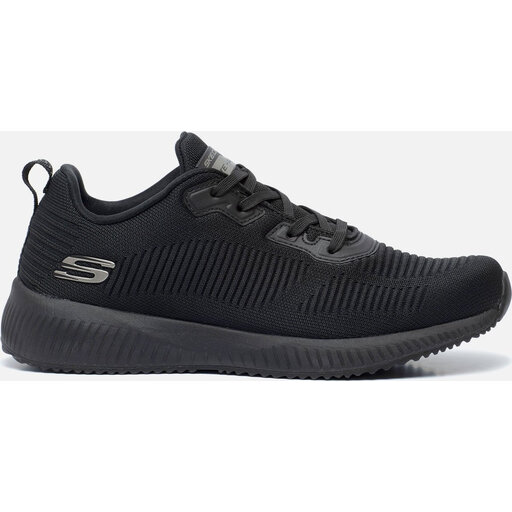
Why it suits this profile: A sporty style for anyone looking for lightweight trainers for walking, shopping and everyday wear.
The product information lists a mesh upper, lace-up fastening and regular fit. It also states that this model comes up large, so check the size before ordering.
Textile upper, Memory Foam insole and a PU sole with a stated thickness of 2 cm.
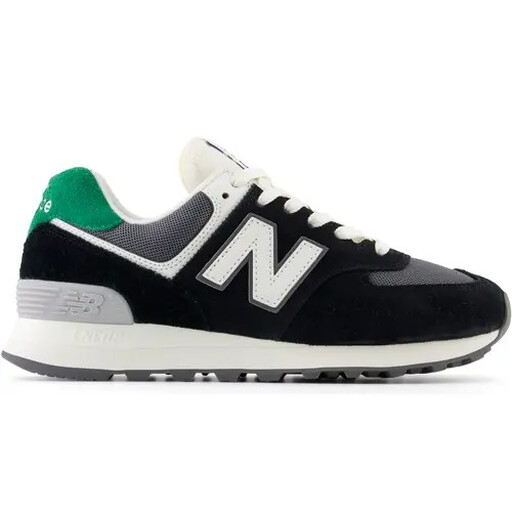
Why it suits this profile: A retro-inspired trainer for anyone who values comfort, a distinctive silhouette and the versatility to wear with jeans or sportswear.
The specifications list a combination of suede and breathable mesh, a textile lining and a rubber outsole. This makes it easier to weigh up the materials and care requirements before you buy.
An ENCAP midsole with EVA and polyurethane, according to the product description, plus a rubber outsole for everyday wear.
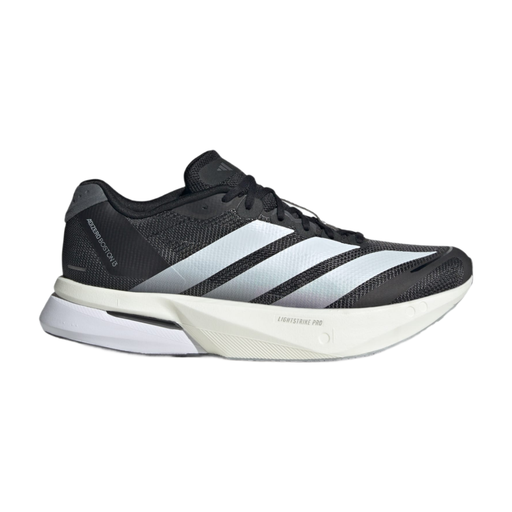
Why it suits this profile: Designed for runners looking for a dedicated running shoe for training or races, and prepared to take care to get the fit right.
This model is presented as a running shoe, not an all-purpose walking shoe. The product information lists mesh, synthetic reinforcements, laces and a Continental rubber outsole.
adidas lists the Lightstrike Pro midsole and Energy Rods as features for cushioning and propulsion; check whether they suit your running style.
We’ve put together a complete, up-to-date list of products that meet these strict selection criteria and the applicable European safety regulations.
Choose a regular fit, a breathable upper and a rubber outsole with plenty of grip. For everyday wear, casual trainers are often more practical than a dedicated racing shoe. A removable insole can offer extra flexibility.
Their lifespan depends on your walking distance, body weight, the surface, care and materials. Look for wear on the tread, cracks in the upper and a compressed midsole. If the fit changes or the grip noticeably wears down, it’s sensible to replace them rather than judge them by appearance alone.
You can use them for light fitness, depending on the workout and the model. For exercises involving sideways movements, a stable sole is important. If you run regularly, choose a model made specifically for running. Always check the size, heel fit and support before ordering.
