
Vandaag of morgen in huis

Kwaliteit gegarandeerd

Welkomstaanbiedingen ontgrendelen: GRATIS bezorging | Tot 80% korting | Gratis 30 dagen JoyPlus-proefperiode
Download de app
A pair of women’s trainers can look appealing online, but photos do not tell the whole story. A thin sole may look comfortable yet provide little support during a long walk. A soft insole may feel comfortable, but the wrong size can still cause pressure points. Trainers for everyday use are also sometimes marketed as suitable for sport, even though their construction is not always designed for it.
So pay particular attention to these three common pitfalls:
First, decide what you need the shoes for. For shopping, commuting and light walks, comfortable women’s trainers with a flexible sole are often a practical choice. For running on tarmac, women’s running shoes with a construction designed for that purpose make more sense. According to the product description, the Salomon Aero Glide 2 W is designed for running on hard surfaces and urban routes.
For fitness and more intense movement, grip, a stable fit and a sole that is not too soft are important. If you are specifically looking for shoes for short, intense training sessions, you can also browse the range of women’s HIIT training shoes.
A rubber sole generally offers a practical combination of durability and grip, but the tread is just as important. A smooth sole is better suited to casual use indoors or on dry surfaces. A lugged tread can be useful for walks on light terrain.
Also check whether the description clearly states which parts of the shoe are made from rubber, synthetic material or another material. A PU sole and a rubber outsole are not the same thing. Look at the sole thickness too if you walk a lot: a thicker sole can provide more distance from the ground, but may affect flexibility.
A standard fit with a D shoe width is available in several models in the range. However, that does not mean every model feels the same. Look out for:
According to Skechers’ own product information, some models feature a Memory Foam or Air Cooled Memory Foam insole. This is a product specification, not a medical claim. So also compare the width, fastening and sole construction.
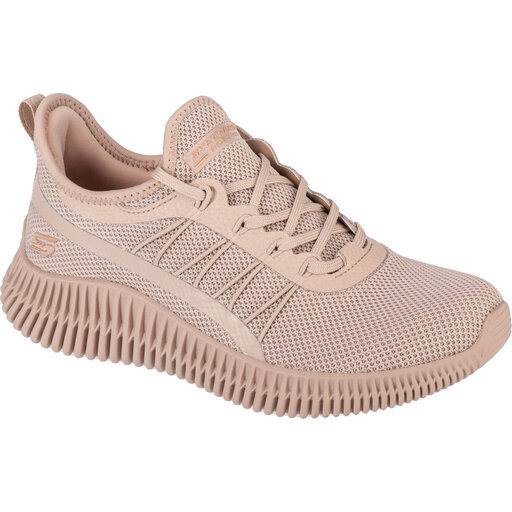
Why it suits this profile: A low-cut model for everyday use, with lace fastening and a standard fit. The beige colour is easy to pair with casual outfits.
The product details state a standard fit, D shoe width and rubber sole. This means you can base your choice on specific features rather than appearance alone.
Textile upper, rubber sole, standard fit and size 37. The laces are adjustable for a personalised fit.
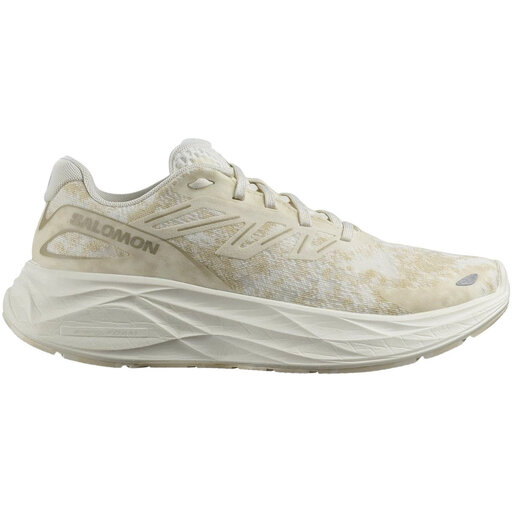
Why it suits this profile: Designed for running on tarmac and urban routes. The combination of synthetic material, textile and a thick rubber sole is well suited to regular use on hard surfaces.
Its intended use is specifically described as a running shoe for hard surfaces. That is clearer than making a general claim that a trainer is suitable for every sport.
Lace fastening, soft textile lining, thick rubber sole and size 39 1/3. The colour is beige.
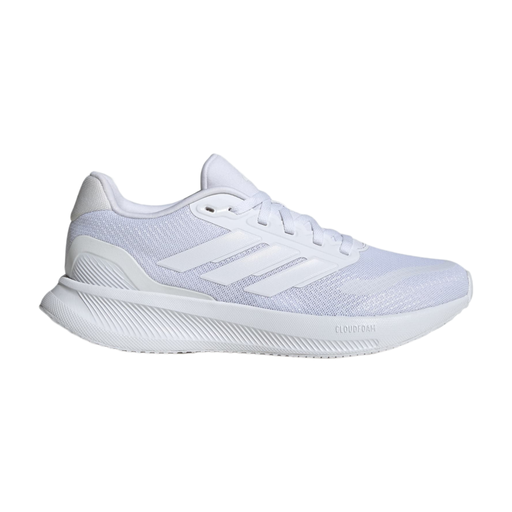
Why it suits this profile: A lightweight model with a mesh upper, flexible outsole and responsive cushioning for training and active everyday use.
The description separately identifies the mesh upper, flexible sole and cushioning. This allows you to check whether the shoe suits the way you move.
Breathable mesh, flexible outsole, recycled materials according to the product information and an all-white design.
We have put together a complete, up-to-date list of products that fully meet these strict selection criteria and the applicable European safety regulations.
Measure your foot at the end of the day, when your feet often need a little more room. Place your heel against a wall and measure to the tip of your longest toe. Compare the result with the size chart for the specific model.
Pay particular attention to unusual size advice. Some Skechers models are listed as true to size, while other models are described in the product information as running large, with a recommendation to choose one size smaller. So do not automatically use the same size as you wear in another brand. Also check whether the model has a standard D width and whether the insole is removable.
For everyday use, low-cut trainers with a standard fit, flexible sole and sufficient grip are practical. Textile can be lightweight and breathable, while synthetic leather is often easier to wipe clean. Choose a model based on the surface you will be walking on and how many hours you will wear them.
Their lifespan depends on walking distance, body weight, the surface, care and materials. Replace your shoes when the sole shows visible uneven wear, the fit changes or the grip has noticeably deteriorated. Washing and care instructions vary by model, so always follow the product description.
Only if the model is designed for running. A casual trainer with Memory Foam is not automatically a running shoe. Check whether the manufacturer associates the model with running, which surface is specified and whether the sole provides sufficient grip and stability. For tarmac training, women’s running shoes with a suitable construction are a more targeted choice.
