
Vandaag of morgen in huis

Kwaliteit gegarandeerd

Welkomstaanbiedingen ontgrendelen: GRATIS bezorging | Tot 80% korting | Gratis 30 dagen JoyPlus-proefperiode
Download de app
Choosing a new pair of women’s trainers seems straightforward, until you need to decide which model suits your feet, daily routine and clothing style. Trainers for shopping and the office have different requirements from women’s running shoes for several training sessions a week.
As a Joybuy Product Recommendation Officer, I filter product information according to verifiable features, so you can better distinguish marketing claims from practical specifications. Below, you’ll find the common pitfalls that can lead to a disappointing purchase, what to look out for and which models suit different usage profiles.
A fashionable low-top trainer may be comfortable for walking around town, but it is not automatically suitable for running. Women’s sports shoes for running generally have a different midsole, fit and outsole from women’s casual trainers. Check the official description of intended use. If it says walking, everyday use or light activity, do not automatically use the model for long running sessions.
Black women’s trainers, white women’s trainers, adidas women’s trainers and Skechers women’s trainers can differ significantly from one another. A brand name says little about the width, cushioning or material of one particular model. Always check the product page for the sole material, upper, fastening and size guide.
A size 38 in one model may fit differently from a size 38 in another. Half sizes and brand-specific size formats can also cause confusion. For example, some adidas models list 38 2/3, while the product information also displays an EU size 38 or 39. Use your foot length in centimetres as an additional check. If you’re searching for size 38 trainers or size 40 trainers, it’s best not to filter by the number alone.
First, decide what you need the shoes for:
A profiled sole can provide extra grip, but it does not automatically make a shoe suitable for wet or technical surfaces. Check exactly what the manufacturer states.
Mesh and textile can feel more breathable than leather or coated leather. Leather and synthetic materials are often easier to clean locally, but breathability varies depending on the design. Also check the lining: a soft textile lining can feel comfortable during extended wear, while a sturdier upper may retain its shape better.
Remember that a brand’s claims about comfort or performance should not be interpreted as guaranteed results. According to Skechers’ own product description, certain Summits models are lightweight and flexible, and feature Air-Cooled Memory Foam. Also check whether the sole, insole and width match your preferences.
Lace-up fastenings usually give you more scope to adjust the fit. Elastic laces or a slip-on construction are useful if you want to put your shoes on quickly. With a regular fit, check that your forefoot has enough room and that your heel does not lift.
For models in size 40, such as the New Balance U574SOB40 and Skechers Summits, the stated width or fit is shown on the product page. Use this information together with your measured foot length. Measure both feet at the end of the day and base your choice on the longer foot.
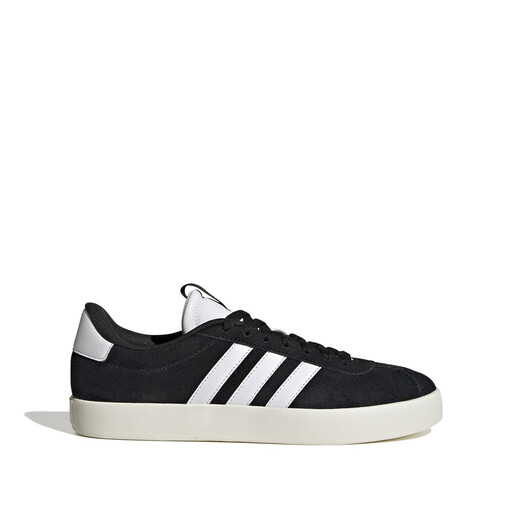
Why it suits this profile: This low-top trainer is designed for everyday use and combines a coated leather upper with a classic rubber sole. The neutral colour scheme works well with jeans, dresses and casual workwear.
The product information describes it as suitable for casual outfits and light everyday activities. This makes it clearer that it is not a specialised running shoe.
Coated leather upper, soft textile lining and vulcanised rubber outsole with flexibility.
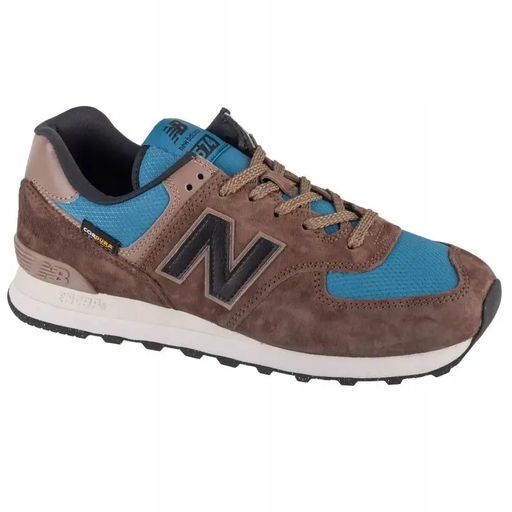
Why it suits this profile: The 574 silhouette is ideal if you want a recognisable retro style without wearing an overtly sporty shoe. Suede and mesh combine visual appeal with breathability.
The product description specifically states that the upper is made from suede and mesh, with a cushioned midsole and rubber outsole. You can check these features rather than relying on the brand name alone.
Suede-mesh construction, rubber outsole and a stated EU size 40 with a regular fit.
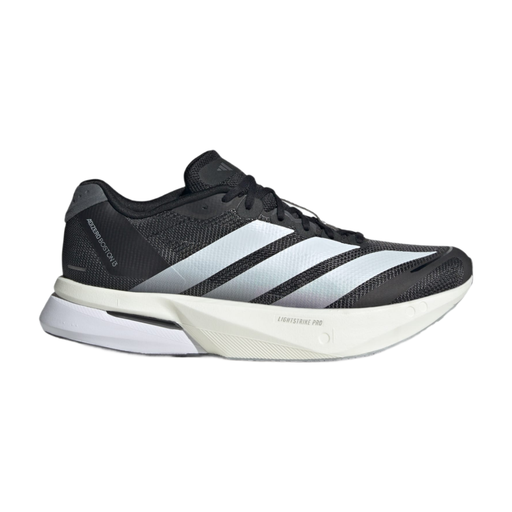
Why it suits this profile: According to the product description, this model is intended for running and training. Its technical mesh construction, Lightstrike Pro midsole and Energy Rods are designed for a different purpose from ordinary women’s casual trainers.
The usage category is more clearly defined than it is for a fashion trainer. However, check that the fit and size suit your feet before starting intensive training.
Technical mesh, Lightstrike Pro foam and rubber outsole with a Continental specification in the product information.
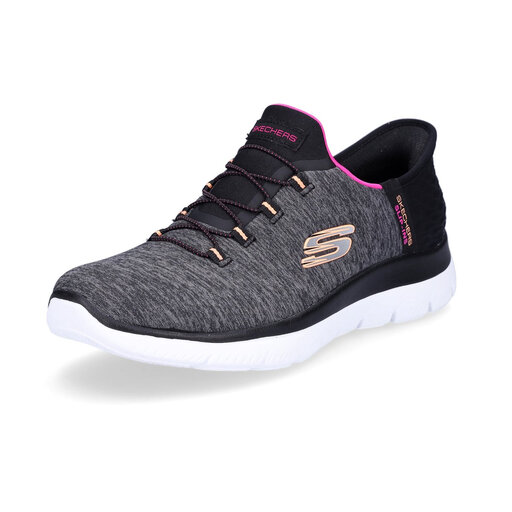
Why it suits this profile: The slip-on construction with elastic laces is practical for everyday use. According to the product information, the model has a regular fit, textile upper and rubber sole.
The product page lists the material, fastening, sole and size advice. This allows you to assess the model based on practical features rather than its comfort branding alone.
Regular fit, flexible rubber outsole and removable insole according to the product details.
We’ve put together a complete, up-to-date list of products that fully meet these strict selection criteria and the applicable European safety regulations.
The lifespan of women’s trainers depends on walking distance, surface, body weight, material and care. A pair worn every day will wear out more quickly than a model used in rotation. Where possible, alternate between two pairs and allow damp shoes to dry at room temperature.
Look for a regular or suitably wide fit, a flexible sole and sufficient grip. According to the product description, models such as Skechers Summits are designed for everyday use. For longer walks, it is still important to break the shoes in gradually first.
Measure both feet in centimetres and compare the result with the size guide for the specific model. Also check the shoe width and sizing advice. An EU size is not exactly the same across every brand, especially for models with half sizes.
There is no fixed lifespan for every pair. Regularly check the wear on the outsole, the firmness of the midsole and the fit. Women’s running shoes are generally replaced sooner with intensive use than casual trainers, because their cushioning and grip can change more quickly.
