
Same-day & Next-day Delivery

Quality Guaranteed

Unlock Your Welcome Offers: FREE Delivery | Up to 80% OFF | Free 30-day JoyPlus trial
Download the APP
A pair of women’s trainers may look appealing in photos, but it’s only during a long walk, a busy day at work or a bike ride into town that you find out whether they’re really right for you. A soft insole alone doesn’t tell you much about the overall fit. And even a well-known brand can’t guarantee that a particular style won’t be too narrow, too warm or unsuitable for how you plan to use it.
Use this practical guide to focus on the features that matter most in the Netherlands: fit, breathable materials, cushioning, grip and care.
Words such as comfortable, lightweight or sporty aren’t fixed technical standards. So check the specifications. Does the shoe have a textile or mesh upper? What material is the sole made from, and is the insole removable? Trainers with memory foam may feel soft underfoot, but the width and support of the shoe are just as important.
Sizing varies between styles. Some Skechers women’s trainers are recommended in a larger size according to the product information, while other styles fit true to size. If possible, measure your feet at the end of the day and compare the length in centimetres with the size guide. If you wear thicker socks, leave a little extra room around your toes.
A shoe designed for intense training often has different features from one intended for everyday wear. Adidas women’s running shoes, for example, may have a responsive midsole, a close fit and a running-specific outsole. That’s useful for training, but not necessarily what you need for shopping or a leisurely walk.
Check the stated width, fastening and size advice. Laces allow for more adjustment than a slip-on style. A standard width, such as D or G in the product information, gives you an initial indication, but doesn’t tell you everything about the shape of the forefoot.
In particular, check:
A shoe that feels tight when you try it on is unlikely to stretch in exactly the places you need it to.
For everyday wear and warmer days, breathable trainers with mesh or textile uppers are often a practical choice. A synthetic or leather upper may offer more structure, but needs different care. Brands sometimes associate perforated soles or textile linings with ventilation. Treat this as a product specification: how the shoes feel also depends on your socks, the temperature and the fit.
Look beyond the name of the cushioning technology. Check which midsole material is listed and what the product description says the style is designed for. For example, the adidas Adizero Boston 13 W features Lightstrike Pro foam, Energy Rods, a mesh upper and a Continental rubber outsole. According to the description, this combination is suited to training and competition.
For everyday trainers, flexibility, grip and a lightweight construction are often more important than maximum energy return. A rubber outsole can be useful on varied surfaces, but check the care advice too, and keep an eye on the condition of the sole with regular wear.
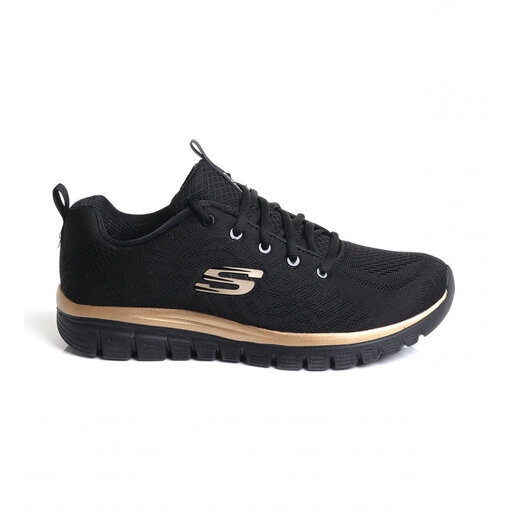
Why it suits this profile: This black style with pink details is designed for everyday wear and combines a textile upper with a lace-up fastening.
The product information lists the materials, fastening, sole thickness and size advice. That means you don’t have to rely only on a general description of comfort.
Textile upper, Memory Foam footbed according to the product description, and a 2-centimetre PU sole.
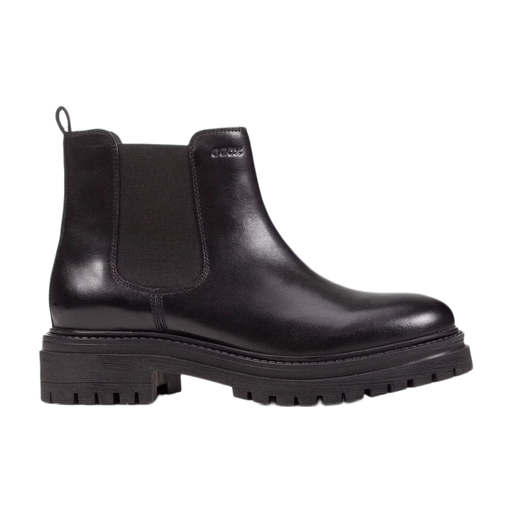
Why it suits this profile: The leather upper and elasticated textile panels make this a good choice if you’re looking for a smart black trainer for work, days out and everyday wear.
The composition lists full-grain leather, textile and rubber. The care advice makes it clear that machine washing isn’t recommended.
Full-grain leather upper, elasticated panels and a removable insole according to the product specifications.
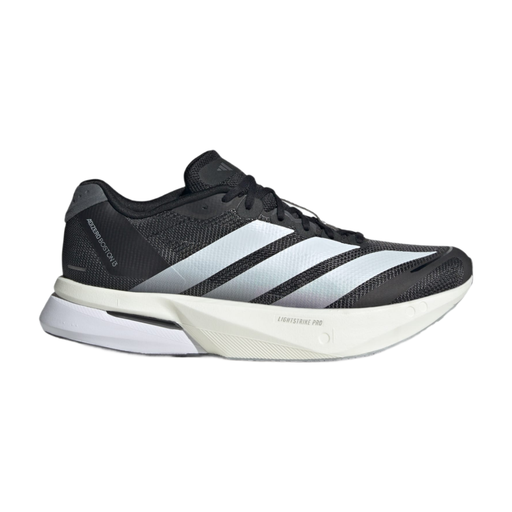
Why it suits this profile: The product specifications are geared towards running training and competition, with a lightweight mesh upper and a running-specific construction.
The shoe isn’t presented as an all-purpose casual trainer. The running technology listed makes it clear that this is a specialist choice for running.
Lightstrike Pro midsole, Energy Rods, mesh upper and Continental rubber outsole according to the product description.
Black women’s trainers are easy to pair with jeans, workwear and casual clothes. Do consider the material: smooth leather can look different from textile and may need different care. A black textile style may feel lighter, while a leather version offers more structure.
For walking and everyday errands, everyday trainers with a flexible sole are often enough. If you run regularly, it’s better to compare styles by running type, cushioning, weight and grip. Use the size filters and product information to view only options that are actually available in your size.
How long your trainers last depends on how often you wear them, the surfaces you use them on, the demands you place on them and how well you care for them. If practical, alternate between pairs when you’ve been wearing one pair heavily. Leave wet trainers to air-dry and keep them away from direct heat. Always follow the specific care instructions: some textile styles can be washed on a delicate cycle, while others should only be cleaned with a damp cloth.
Store your shoes somewhere dry and regularly check the soles, seams and heel lining. Wear on the outsole or a fit that has become permanently distorted are signs that it’s time to compare options again.
We’ve put together a complete, up-to-date list of products that meet these strict selection criteria and the applicable European safety regulations.
Choose a style that doesn’t pinch, gives your toes enough room and has a grippy sole and materials suited to the season. Textile and mesh are often practical in warmer weather; leather generally needs more care.
There’s no set timeframe. Heavy walking or sports will cause wear more quickly than occasional use. Check the soles, seams and inside of the heel, and replace your pair when the fit or grip has noticeably deteriorated.
According to the product description, memory foam can provide extra softness, but that doesn’t automatically tell you anything about stability or fit. So also check the sole, width, fastening and intended use of the style.
