
Vandaag of morgen in huis

Kwaliteit gegarandeerd

Welkomstaanbiedingen ontgrendelen: GRATIS bezorging | Tot 80% korting | Gratis 30 dagen JoyPlus-proefperiode
Download de app
Women’s trainers should suit the way you plan to use them. A pair for everyday wear has different requirements from women’s running shoes for road running or women’s trail-running shoes for muddy paths. Yet many styles look similar online. Marketing terms such as “extra cushioning”, “breathable” and “lightweight” only tell you so much unless you know which materials and construction features are behind them.
Keep an eye out for these three common pitfalls:
For everyday wear, commuting and light workouts, comfortable women’s trainers with a flexible upper are often a practical choice. A textile or mesh construction can help keep the weight down and support airflow. A rubber sole is generally more hard-wearing than a soft, all-foam outsole.
For road running, cushioned running shoes and a secure fit are more important. Check whether the product description names the midsole material, such as EVA, Cloudfoam or another foam construction. For short runs of 0 to 10 kilometres, a style such as the adidas Runfalcon 5 may suit the intended use.
On woodland trails or wet ground, the outsole is especially important. Nike trail-running shoes such as the Pegasus Trail 3 have multidirectional lugs and a rubber outsole, according to the product description. These are specific features you can check, and they’re more useful than a vague claim about “adventurous performance”.
A mesh upper has an open textile structure that can help air circulate more easily. That doesn’t automatically make a shoe waterproof or suitable for cold, wet weather. However, breathable trainers are often comfortable for summer walks, workouts and everyday wear.
Also look for reinforcements. A thin mesh upper can be lightweight, while a reinforced toe and heel can provide extra protection on unpaved paths. PELLIOT models specify a sandwich mesh and woven upper, with TPU reinforcements on certain versions. Check which version and fit are actually available in your chosen size.
The wrong size is more likely to cause discomfort than a missing brand name. If possible, measure your feet at the end of the day, wearing the socks you plan to exercise in. Then compare your foot length in centimetres with the size chart for the specific style.
Look out for differences between styles:
A removable insole isn’t a given, so check if you use your own insoles. Also check the care instructions: several styles aren’t machine washable and should be cleaned with a damp cloth.
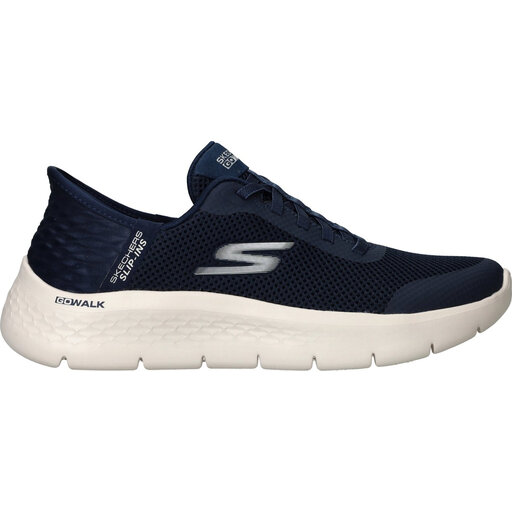
Why it suits this profile: These low-cut women’s trainers are designed for everyday wear, shopping, commuting and light activity. The slip-on style has no fastening and features a textile upper.
The product information specifically lists a textile upper, rubber sole, regular fit and size 40 in width G. So you don’t have to rely on general comfort claims alone.
Textile upper, rubber sole and a fastening-free design for quick and easy on-and-off.
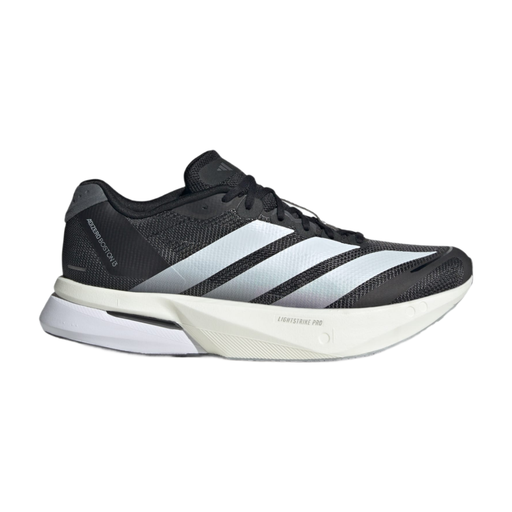
Why it suits this profile: This style is designed for more intensive running, according to the product description. It combines technical mesh with Lightstrike Pro foam, Energy Rods and a rubber outsole.
The product details specify the upper, midsole and outsole separately. This makes the shoe easier to compare with other women’s running shoes.
Technical mesh, a Lightstrike Pro midsole and a rubber outsole, according to the product details.
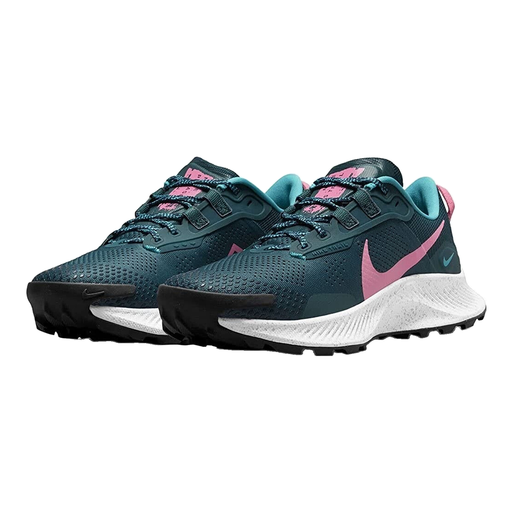
Why it suits this profile: According to the product description, this style is designed for trail running, city routes and outdoor activities. The combination of mesh, React foam and multidirectional lugs is suited to changing surfaces.
The sole isn’t just described as offering good grip: the product information specifies rubber and multidirectional lugs. This gives you a clearer idea of the terrain the shoe is designed for.
React midsole, breathable mesh, reinforced toe and heel, and a rubber sole with multidirectional lugs.
We’ve put together a complete, up-to-date list of products that meet these strict selection criteria and the applicable European safety regulations.
For walking, a regular fit, good flexibility and a sole with reliable tread are important things to look for. For easy walks around town, Skechers women’s trainers in textile or mesh may be sufficient. For wet or uneven paths, a style with a clearly defined tread, such as a trail shoe, is a more suitable choice. Always check the sole description and the type of terrain the shoe is designed for.
Their lifespan depends on how often you wear them, the surface you use them on, your body weight, how you care for them and how you store them. Look out for visibly worn tread, tears in the upper and a midsole that has become permanently compressed. If you run a lot of kilometres, don’t automatically use your running shoes as everyday shoes; alternating between pairs can help limit wear. Clean your shoes according to the care instructions and let them dry at room temperature.
They can be, but weight is only one factor. Also check the fit, fastening, cushioning and outsole. Lightweight trainers with a thin sole can feel comfortable for short training sessions, while longer distances may call for more support. Always choose a style that suits your running pace, the surface you run on and your experience.
