
Vandaag of morgen in huis

Kwaliteit gegarandeerd

Welkomstaanbiedingen ontgrendelen: GRATIS bezorging | Tot 80% korting | Gratis 30 dagen JoyPlus-proefperiode
Download de app
Women’s trainers may seem straightforward to compare at first. But small differences in fit, materials and care can determine whether you keep wearing them every day. A low price also says little about comfort, while terms such as “extra cushioning” or “sporty” don’t always explain what a style is suitable for.
When shopping online for women’s trainers, these are the pitfalls you’re most likely to encounter:
Measure your feet at the end of the day if possible, when they may take up a little more room. Compare the length you measure with the size chart for the specific style. Bear in mind the difference between:
A standard width, often shown as D, won’t automatically suit every foot. If you have wide feet, check whether the product information gives the width. Some styles are recommended in a size smaller because they come up large; for others, ordering your usual size is the best starting point.
The upper has a big impact on how a shoe feels and how easy it is to care for.
If you’re looking for white women’s trainers, bear in mind that marks will show. Black women’s trainers tend to hide everyday dirt better, but dust along the edges and discolouration can still occur.
Look beyond the appearance of the sole and consider its material and construction. A rubber outsole is often highlighted for its grip and flexibility. A thicker sole can add extra height, but it isn’t automatically suitable for every sport.
For casual women’s trainers, a standard fit, lace-up fastening and low profile are often practical. For fitness or more intense activity, a stable construction, suitable cushioning and a sole suited to the surface matter more. Always check the care instructions. A style that the product information says can be washed on a gentle cycle is different from one that should only be cleaned with a damp cloth.
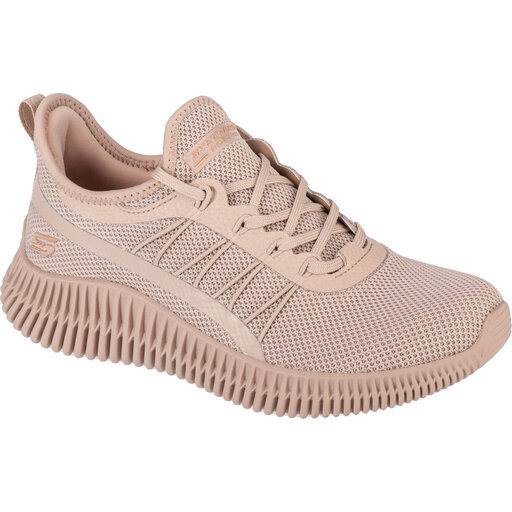
Why it suits this profile: This low-cut beige style has a standard fit, lace-up fastening and textile upper. It’s a practical choice for everyday wear and casual outfits.
The size 37 and standard fit are clearly stated, so you don’t have to rely on the colour or product photo alone.
Standard fit, low profile, textile upper and rubber sole according to the product information.
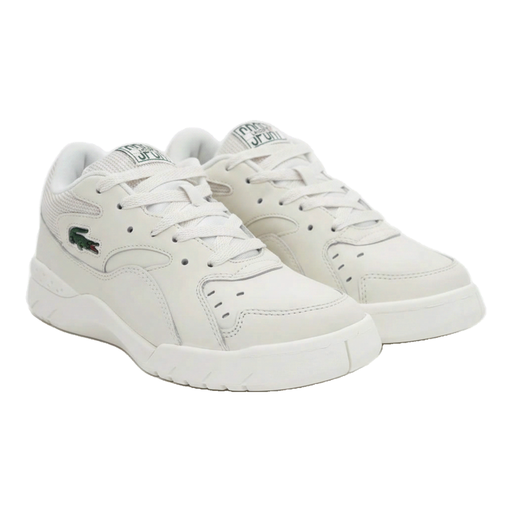
Why it suits this profile: This off-white style has a retro tennis look and is designed for anyone after a smart trainer for work, city days and downtime.
The product information lists the material, size 38 and care instructions recommending a damp cloth. This makes it clear that the style isn’t machine washable.
Synthetic leather upper, rubber outsole and padded insole according to the product specifications.
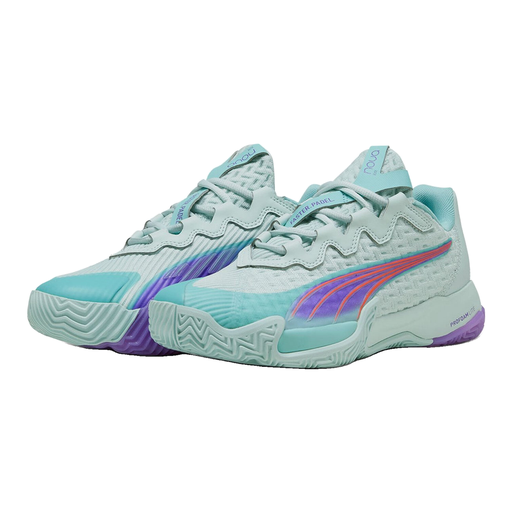
Why it suits this profile: This style combines a lightweight construction, mesh and a rubber sole. It’s a good fit if you’re looking for one pair for casual wear and light sporting activities.
The description clearly lists the materials, a padded insole and a rubber sole. However, check that the fit and level of use are right for your activity.
Mesh and synthetic materials, a padded insole and a rubber outsole with grip according to the product description.
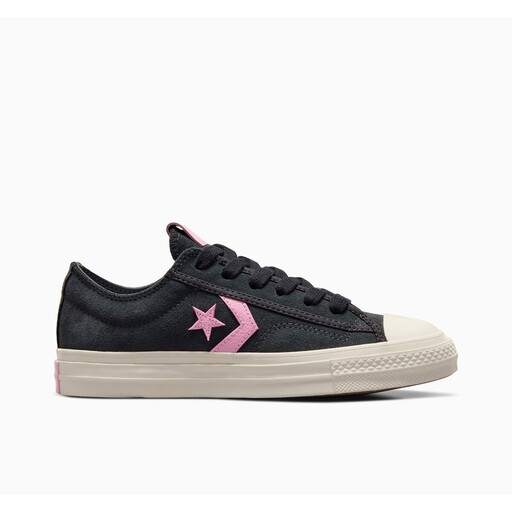
Why it suits this profile: The low profile, canvas upper and navy colour with white details work well with jeans, dresses and simple everyday outfits.
The materials and low profile are clearly described. Choose this style mainly for everyday and casual wear, rather than assuming it’s suitable for intense training.
Canvas upper, padded insole and vulcanised rubber outsole according to the product information.
We’ve put together a complete, up-to-date list of products that meet these strict selection criteria and comply with current European safety regulations.
Measure both feet and use the size and length information for the style you’ve chosen. Check the sizing advice too: according to the product information, some Skechers styles in the selection come up large, while other styles recommend ordering your usual size.
Their lifespan depends on how far you walk, the surface, your body weight, how often you wear them and how well you care for them. A pair worn every day will wear out faster than one you alternate with other shoes. Look for wear on the sole, seams coming apart and reduced support; these are practical signs that it’s time to replace a pair.
Not always. Follow the care instructions for the specific style. According to the product information, some textile shoes can be washed on a gentle cycle, while styles made from synthetic leather or canvas, or with a fixed insole, should often only be cleaned with a damp cloth.
