
Vandaag of morgen in huis

Kwaliteit gegarandeerd

Welkomstaanbiedingen ontgrendelen: GRATIS bezorging | Tot 80% korting | Gratis 30 dagen JoyPlus-proefperiode
Download de app
Buying a new pair of women’s trainers seems simple, until you have to choose between dozens of styles, materials and size labels. A trainer may look appealing, but be less suitable for long working days, walks or rainy bike rides.
These three pitfalls are common:
Focusing only on appearance
A low-profile trainer with a thin sole may go well with a casual outfit, but may offer less cushioning if you spend a long time on your feet.
Taking material claims at face value
“Leather” doesn’t automatically mean the whole shoe is made of leather. Always check the materials used for the upper, lining, insole and outsole.
Assuming sizes are the same across brands
An EU size 38 can fit differently depending on the brand or style. So, before you buy trainers, check the size chart, foot length and fit description.
When choosing leather trainers for women, it’s important to check which parts are actually made of leather. Some styles have uppers made from a combination of leather, textiles or synthetic materials. This can offer a good balance of structure and comfort, but it’s not the same as a fully leather shoe.
Canvas, as used in some Converse Star Player women’s styles, is generally lightweight and breathable. However, canvas is harder to protect from moisture than some leather uppers. Check the care instructions too: some styles should only be cleaned with a damp cloth and must not be machine washed.
A rubber outsole is a practical choice for everyday wear. Look out for:
No casual trainer is automatically suitable for intense sport or slippery conditions. For walks in wet weather, care, drying time and sole tread are just as important as the brand.
Measure your feet at the end of the day, wearing the socks you’d normally wear with trainers. Measure both feet and choose your size based on the longer foot. Then check:
For example, the Vans Knu Skool product information states that it has a regular fit and includes a detailed size chart. The Puma Speedcat OG is described in the product information as “true to size”. This is still only a guide: the shape of your foot and the materials used will affect the final fit.
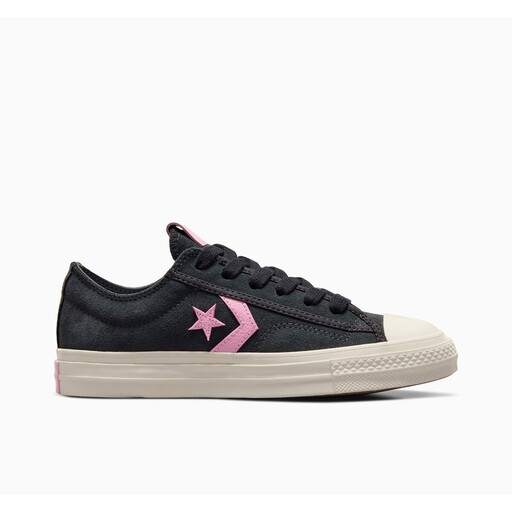
Why it suits this shopper: The low-profile shape and navy colour with white details are easy to pair with jeans, a skirt or a simple work outfit. The canvas upper keeps the style lightweight.
The product information clearly specifies the materials: a canvas upper, textile lining and vulcanised rubber outsole. That way, you know what you’re buying instead of choosing on style alone.
Canvas upper, low-profile fit, padded insole and grippy rubber outsole.
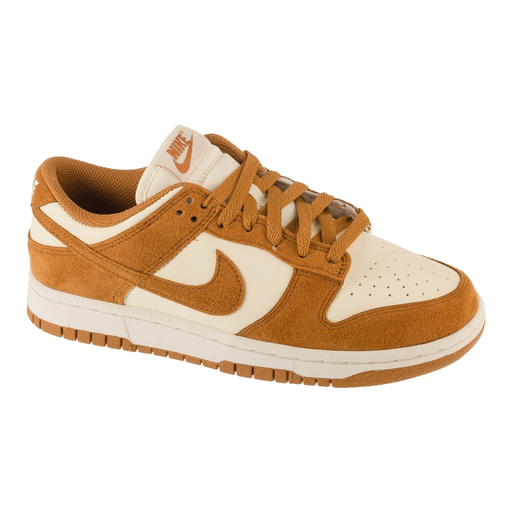
Why it suits this shopper: This white Nike Dunk Low style with beige accents is a good match if you’re looking for a smart, versatile trainer for casual outfits and everyday wear.
The description lists the upper, textile lining, padded collar and rubber sole separately. This makes it easier to check the materials and construction.
Leather upper, padded collar and tongue, padded insole and rubber outsole with pivot-point tread.
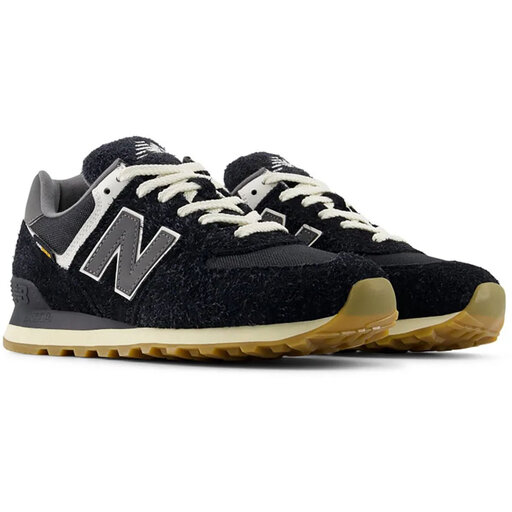
Why it suits this shopper: The suede and mesh combination, retro shape and cushioned midsole make this style a good choice for everyday walks, commuting and a sporty casual look.
The product details specify both the materials and the sole construction. This helps you avoid mistaking a retro look for a clear indication of how the shoe is designed to be used.
Suede and mesh upper, supportive midsole and grippy rubber outsole.
We’ve put together a complete, up-to-date list of products that meet these strict selection criteria and the applicable European safety regulations.
White trainers for women are easy to style, but marks show up more quickly. Choose a style with clear care instructions and avoid prolonged contact with rain or mud. Black trainers for women are more practical for everyday wear, while navy, grey or pastel accents offer an alternative that’s still understated.
For streetwear, the Nike Dunk Low, Vans Old Skool and Vans Knu Skool are good styles to compare. The Puma Speedcat has a low-profile, slim-looking silhouette and a flat heel. The Skechers D’Lites is different, with a thicker rubber sole of around 4 centimetres and an Air Cooled Memory Foam insole, according to the product information. This difference matters if you’re after a retro runner rather than a low-profile trainer.
It varies by brand and style. Always check the specific size chart. Don’t just compare your usual EU size; check your foot length in centimetres and the recommended fit too. If you’re unsure, a little extra room around the toes is more practical than a shoe that fits tightly.
Follow the label or the brand’s care instructions. Many leather styles are best cleaned with a dry or slightly damp cloth. Don’t use a washing machine, bleach or direct heat unless the manufacturer specifically allows it. Leave your trainers to air-dry.
Their lifespan depends on how far you walk, the surfaces you walk on, your body weight, how well you care for them and how often you alternate them with other shoes. Check the sole, stitching and heel lining regularly. A pair worn intensively every day will generally wear out faster than one you rotate with other pairs. Your statutory EU conformity rights still apply, so keep your proof of purchase.
