
Vandaag of morgen in huis

Kwaliteit gegarandeerd

Welkomstaanbiedingen ontgrendelen: GRATIS bezorging | Tot 80% korting | Gratis 30 dagen JoyPlus-proefperiode
Download de app
Choosing a new pair of women's trainers might seem straightforward, but product photos don't always tell the whole story. A slim sole may look fashionable, but be less suited to long walks. A soft insole may feel comfortable when you try the shoes on, but that doesn't automatically tell you anything about their fit or durability.
The most common buying mistakes come down to three pitfalls:
Focusing only on looks
White women's trainers and low-profile styles go with lots of outfits, but the material and sole determine how practical they are for everyday wear.
Mistaking marketing claims for guarantees
Terms such as “extra comfort”, “support” or “suitable for every activity” aren't always specific. It's better to check the materials, fastening, sole and fit listed in the product details.
Ordering without checking the size
The same EU size can feel different from one style to another. Some Skechers styles, for example, are described as coming up large, while other models are recommended in your usual size.
Look beyond the size number. Check whether the style is described as a regular fit, has a specific shoe width or comes with sizing advice. Ideally, measure your feet at the end of the day and compare their length with the size guide for your chosen style.
For example, the Skechers Graceful styles are listed as a standard width, indicated by D, and the advice is to order a size smaller because they come up large. The Skechers Bobs Geo-New Aesthetics, on the other hand, is described as a regular fit, with a recommendation to order your usual size.
Laces or a lace-up fastening can help you adjust the fit around your instep. This is useful if your feet need a little more room as the day goes on.
The upper affects how the shoe feels and how much care it needs.
Always follow the specific care instructions. Not every pair is machine washable. For some leather women's trainers, the product information recommends applying a protective spray before first wear.
For shopping, commuting and light walks, casual women's trainers or low-profile women's trainers are often enough. Look at the sole thickness, tread and any cushioning specified.
A soft insole can make the shoes feel more comfortable from the moment you put them on, but it doesn't prove that a style is suitable for intense running training. If you're looking for proper women's running shoes, check the stated intended use, flexibility, weight and sole construction. A casual style can look sporty without being designed for running.
For sporting activities, it's worth reading the product description carefully. The adidas Runfalcon 5 W is described as having a mesh upper, responsive cushioning and a flexible outsole. These are specific product details; whether the shoe is suitable will depend on your activity and preferences.
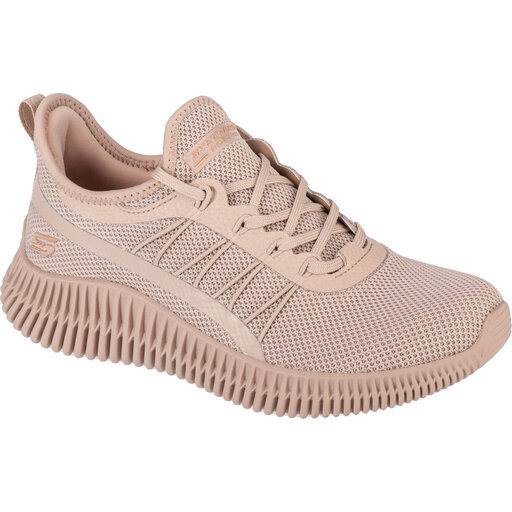
Why it suits this profile: This beige style has a low-profile shape, lace-up fastening, textile upper and rubber sole. That makes it a practical choice for everyday errands, casual outfits and light walks.
The product information lists a regular fit and recommends ordering your usual size. This makes choosing a size more straightforward than with styles that have different sizing advice.
Regular fit, low-profile design, lace-up fastening and rubber sole.
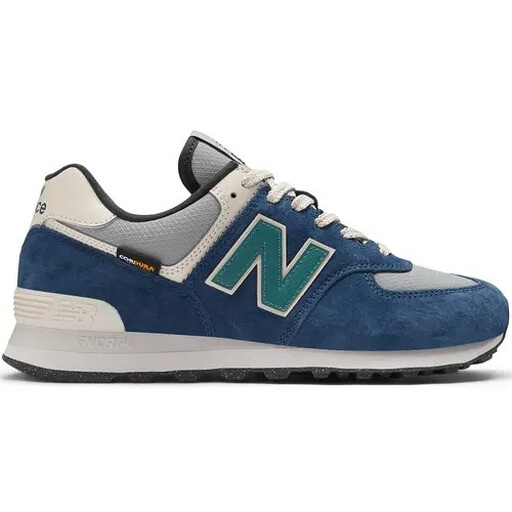
Why it suits this profile: The combination of suede, mesh, a rubber outsole and ENCAP midsole is a good fit for anyone looking for a retro look with a sturdier feel for everyday wear.
The materials and care instructions are clearly set out. This means you can tell in advance that the suede will need careful cleaning.
Suede and mesh, ENCAP midsole and rubber outsole.
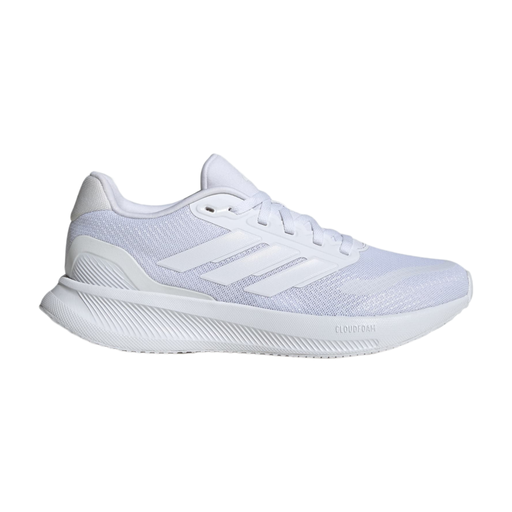
Why it suits this profile: According to the product description, this style is designed for dynamic movement and everyday comfort. The white mesh upper and flexible outsole work well with sporty outfits and active days.
The product details specify features such as engineered mesh, responsive cushioning and a flexible sole, rather than relying on general claims about comfort.
Lightweight mesh upper, flexible outsole and specified cushioning.
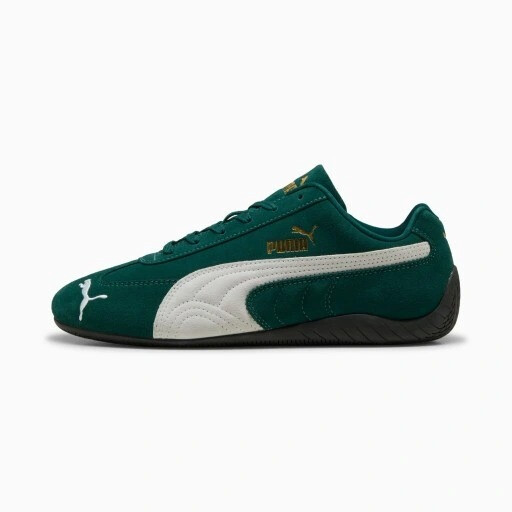
Why it suits this profile: The slim, low-profile shape and flat heel work well with casual city outfits and everyday wear when you want a less bulky style.
The specifications list a regular fit, round toe, leather upper and rubber outsole. This helps you weigh up the slim look against your need for room and cushioning.
Leather upper, IMEVA material according to PUMA and rubber outsole.
White women's trainers are easy to style, but show marks more quickly. Choose a pair that can be cleaned with a damp cloth and avoid harsh cleaning products. Black women's trainers are more practical for everyday wear in the city, while beige or grey styles can make dirt less noticeable.
Care is especially important with leather women's trainers. Don't put them in the washing machine unless the manufacturer explicitly says you can. A leather upper can be wiped clean and cared for with a suitable protective product. Also check that the style doesn't come up too narrow, particularly if it has a slim retro shape.
If you want to compare brands, the range includes women's PUMA trainers, Skechers women's trainers, adidas women's trainers and New Balance women's trainers. Don't choose on brand name alone: focus on the material, sizing advice, sole and what you want to use the shoes for.
We've put together a complete, up-to-date list of products that meet these strict selection criteria and the applicable European safety regulations.
It varies by brand and style. Check the size guide, foot length and sizing advice on the product page. If a style is described as coming up large, consider ordering the smaller size recommended. For a regular fit, the advice is usually to order your usual size.
How long they last depends on walking distance, surfaces, weight, care and materials. Check the outsole, seams and insole regularly for signs of wear. If the grip has noticeably reduced or the upper is coming away, it's best to replace the shoes rather than judging by their age alone.
Not necessarily. A sporty look doesn't make a style a running shoe. For running, it's best to choose a style whose product information specifically mentions running, and to consider its cushioning, flexibility, fit and sole tread. Casual styles can still be suitable for walking, commuting and everyday wear.
