
Vandaag of morgen in huis

Kwaliteit gegarandeerd

Welkomstaanbiedingen ontgrendelen: GRATIS bezorging | Tot 80% korting | Gratis 30 dagen JoyPlus-proefperiode
Download de app
A pair of women’s trainers may seem easy to choose, but a good-looking photo doesn’t tell the whole story. The sole may feel too stiff after a short time, a synthetic upper may not breathe as well, and the wrong size can quickly put pressure on your toes. If you focus only on the brand, colour or discount, you could end up paying for a pair that isn’t suited to how you’ll wear them every day.
Use this practical checklist to focus on the features that really matter. Then you can choose more confidently from women’s trainers for work, walking, leisure or a sporty outfit.
Words such as ‘soft’, ‘light’ and ‘all-day comfort’ are only useful when you also look at how the shoes are made. Check, for example, whether the product description mentions a padded insole, a cushioned midsole or a particular sole material. A padded collar may feel comfortable, but it doesn’t automatically tell you anything about the fit of the whole shoe.
Low-top women’s trainers work with plenty of everyday outfits, but not every casual style is designed for running, long walks or intense indoor sports. Look for the difference between a lifestyle style and women’s sports trainers. A grippy rubber outsole is useful for everyday wear, while a sports shoe may offer extra stability or a different tread pattern.
Sizing can vary between brands and styles. Check the stated fit, shoe width and size. Some styles recommend ordering your usual size; for others, measuring your foot length is a more practical guide. Measure both feet at the end of the day and compare the results with the product’s size chart.
The material affects the look, care and feel of the shoes. According to the product description, textile and mesh can create a more breathable upper. Leather and synthetic leather often have a more structured look, but need care with a suitable cloth or cleaner.
Check the lining too. A soft textile lining can help provide a comfortable fit, although fit is always personal. Marks also show up more quickly on white women’s trainers, so a style you can clean with a damp cloth is a practical choice.
The outsoles on the styles in this selection are usually made of rubber. Look for:
A thicker sole can feel different underfoot from a flat court trainer. If you spend a lot of time standing or walking, it’s worth looking beyond the appearance and checking the construction of the insole and midsole too.
Many styles shouldn’t be machine-washed. Cleaning with a soft, damp cloth and mild detergent is often the recommended approach. Leave your shoes to air-dry, away from direct heat. Suede, leather and synthetic leather may need additional care products.
For commuting, shopping and casual wear, comfortable women’s trainers with a regular fit are often a practical choice. For sports, check that the product description specifically says the shoes are suitable for that activity.
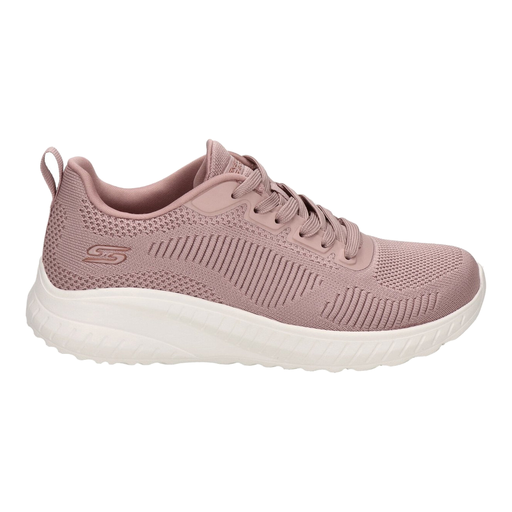
Why it suits this type of wearer: The regular fit, lace-up fastening and combination of textile and a rubber sole make this a straightforward choice for everyday wear.
The product information gives details of the fit, fastening, materials and care, rather than relying on general comfort claims.
Textile upper, rubber sole, regular fit and a plain pink finish.
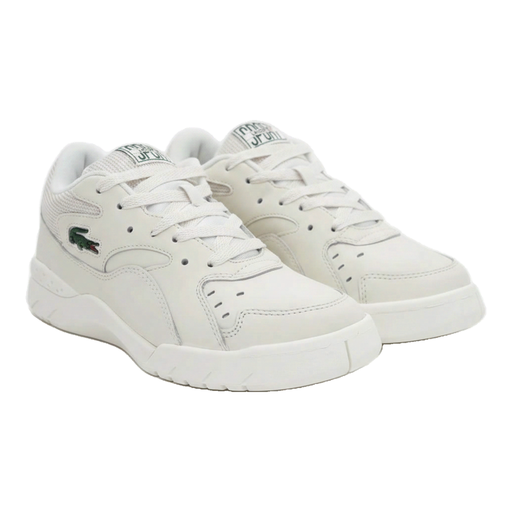
Why it suits this type of wearer: The low-profile white court style works well with minimalist outfits, office looks and everyday life in the city.
The specifications mention a padded insole, rubber outsole and care with a damp cloth, making it easier to assess how the shoes will work for everyday wear.
Synthetic leather upper, soft textile lining, padded insole and rubber sole in an all-white colourway.
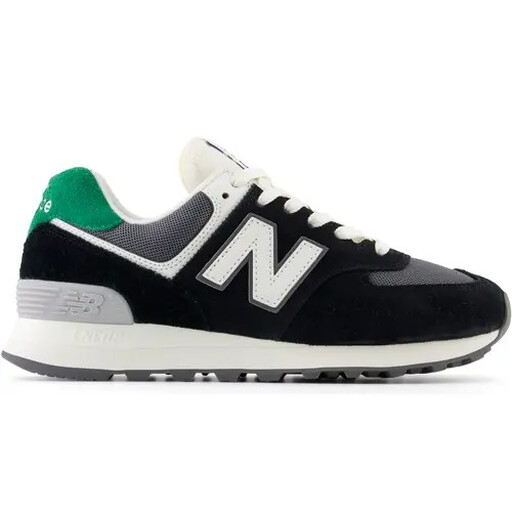
Why it suits this type of wearer: The 574 silhouette is designed for casual and sporty outfits. Its suede and mesh mix is a good fit for anyone who values appearance, grip and a sturdier construction.
The product description specifies the ENCAP midsole, mesh, suede and rubber outsole. This gives you a clearer idea of what the shoes are suited to than a style with only a fashion-led claim.
ENCAP midsole with EVA cushioning and a polyurethane rim, breathable mesh, suede and rubber outsole.
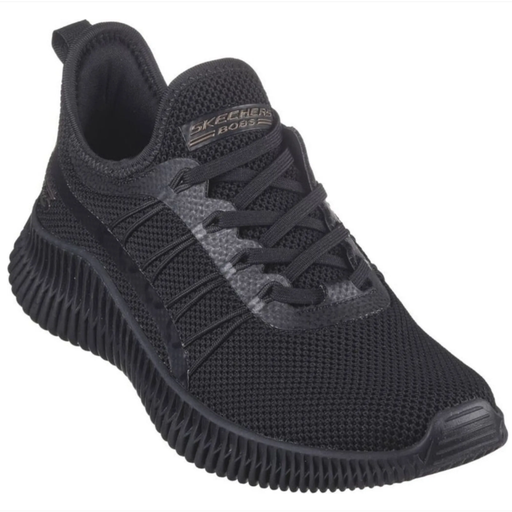
Why it suits this type of wearer: This low-top black style is designed for everyday wear, with a regular fit and a fixed Memory Foam insole.
The fixed insole, regular width and lace-up fastening are clearly listed, helping you assess the fit and suitability for everyday wear.
Textile upper, rubber sole, Memory Foam insole, pull tabs and, according to the product information, 100% vegan.
We’ve put together a complete, up-to-date list of products that meet these strict selection criteria and the current European safety regulations.
How long they last depends on how far you walk, the surfaces you walk on, your body weight, the material and how well you care for them. Check the soles for wear and look out for loose seams or a compressed insole. A pair worn every day will wear out faster than shoes you rotate with other pairs. Air-drying them away from direct heat and cleaning them regularly can help keep the materials in good condition.
Dirt shows up more easily on white styles, but many surface marks can be removed with a soft, damp cloth and a mild cleaner. Don’t use bleach unless the manufacturer specifically recommends it. Let your trainers dry completely and always check the care instructions, especially for leather, suede and synthetic materials.
Casual women’s trainers are mainly designed for everyday wear and styling. Sports styles may have features such as mesh, a lighter construction, cushioning or extra grip. Don’t automatically use a lifestyle style for an activity it isn’t described as suitable for. Brands such as Nike, PUMA, Skechers and New Balance make both casual and sports-focused styles, so always compare the specifications for each pair.
