
Vandaag of morgen in huis

Kwaliteit gegarandeerd

Welkomstaanbiedingen ontgrendelen: GRATIS bezorging | Tot 80% korting | Gratis 30 dagen JoyPlus-proefperiode
Download de app
A pair of women's trainers needs to do more than look good in a product photo. You may want to wear them to work, walk around town, do the shopping or perhaps exercise. Yet many buyers end up leaving their trainers in the wardrobe because of the wrong size, insufficient support or materials that are unsuitable for everyday use.
This guide helps you compare women's trainers based on verifiable features. That way, you can find a pair that suits your clothing style, foot shape and intended use.
White women's trainers and black women's trainers are easy to combine with different outfits, but colour says nothing about fit or comfort. Always check the upper material, sole, width and type of insole.
A leather model may feel more supportive, while textile or mesh is often lighter and more breathable. Neither material is automatically suitable for every situation.
An EU size can fit differently depending on the brand or model. For example, some Skechers models are listed as coming up large, meaning you may wish to consider ordering a size smaller. Other models are described as true to size.
Measure your foot from the heel to the furthest point of your longest toe, then compare the result with the size guide for the specific product. Also pay attention to the shoe width, such as D or G. This is important if you have narrow or wider feet.
Low-top women's trainers are suitable for everyday use, but not automatically for running. Running shoes generally have a different midsole, fit and sole construction from women's casual trainers.
For walking or fitness, a lightweight model with a flexible sole may be sufficient. For regular running training, it is better to look specifically at women's running shoes.
Consider these points before ordering:
If you are looking for size 37, size 38 or size 40 trainers, it is best not to filter by the number alone. Compare the foot length in the table as well.
The upper partly determines how the trainer feels and how you should care for it.
Do not simply put shoes in the washing machine. Some models recommend cleaning with a damp cloth, while other product descriptions mention a gentle wash cycle. Always follow the specific care instructions.
Make a simple choice in advance:
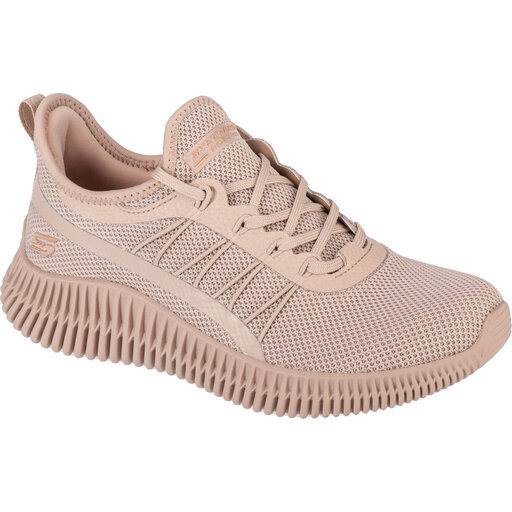
Why it suits this profile: The beige low-top trainer is easy to style with jeans, chinos and casual clothing. The product description states that it has a standard fit, lace fastening, textile upper and rubber sole.
The sizing and shoe width D are clearly stated. This means you do not have to rely solely on the photo or colour.
Low-top shape, standard fit, laces and rubber sole. According to the product information, the insole is not removable.
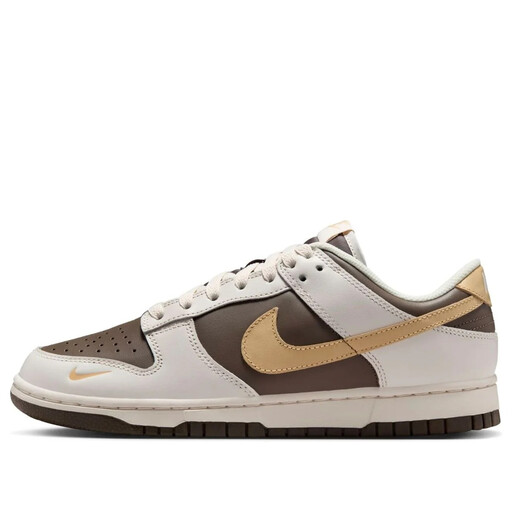
Why it suits this profile: The low-top Dunk Low model has a leather upper, textile lining and rubber outsole. The black-and-white colourway works well with everyday outfits and a sporty look.
The material construction is specified rather than simply described as “premium”. However, check beforehand that the stated size 42.5 matches your foot length.
Leather and textile upper, padded collar, lined insole and rubber sole with pivot-point tread, according to the product description.
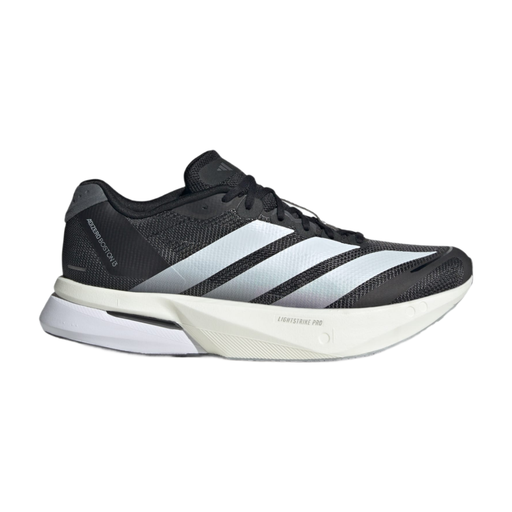
Why it suits this profile: This model is specifically described for running and more intensive training. The technical mesh, Lightstrike Pro midsole, Energy Rods and Continental rubber outsole are relevant features for active users.
It is not a casual trainer being marketed as a running shoe without further information: the product description explicitly mentions running and its technical components.
Technical mesh, Lightstrike Pro midsole, Energy Rods and a stated foot length of 23.5 cm for size 38 2/3.
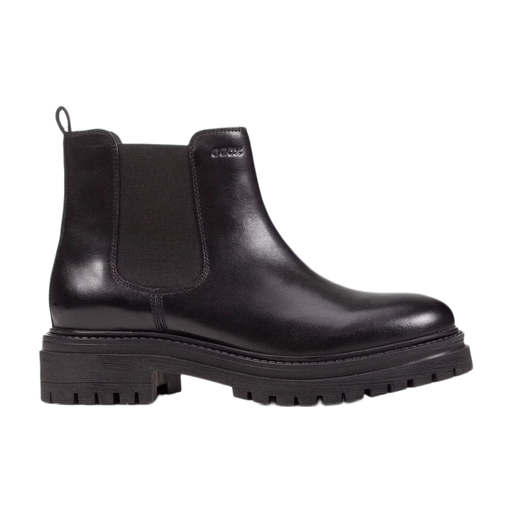
Why it suits this profile: The black model combines full-grain cow leather with elasticated textile panels. It is a good choice for anyone looking for a polished trainer for everyday wear, work and walking.
The composition separately lists the leather, textile, lining and rubber outsole. The insole is also removable, which you can check in advance.
85% full-grain cow leather in the upper, elasticated panels, rubber sole and removable insole, according to the product information.
We have put together a complete, up-to-date list of products that fully meet these strict selection criteria and the applicable European safety regulations.
Check the following before paying:
A product with a minimum two-year legal guarantee under EU consumer rules provides an important basic right. This does not mean that normal wear and tear is automatically covered by the guarantee. Keep your purchase details and follow the care instructions.
Look for a low-top trainer with laces, a rubber or synthetic sole with good grip and an insole that suits your foot. Textile models are often lightweight, while leather offers a more enclosed and polished look. Always check the stated fit and width.
This varies by brand and model. Some models fit true to size, while the product information for others may recommend ordering a size smaller. Measure both feet and use the size guide for the specific pair. If you fall between two sizes, the larger size may provide more room, but check the shoe width too.
Their lifespan depends on walking distance, surface, body weight, material and care. A pair used intensively every day will generally wear out faster than trainers worn in rotation. Look out for a tread that is becoming smooth, seams coming loose or lasting deformation. These are practical signs that it is time to replace the pair.
