
Vandaag of morgen in huis

Kwaliteit gegarandeerd

Welkomstaanbiedingen ontgrendelen: GRATIS bezorging | Tot 80% korting | Gratis 30 dagen JoyPlus-proefperiode
Download de app
Choosing a new pair of women’s trainers might seem straightforward, but the differences often come down to details you only notice after wearing them for a few weeks. A sole may look sturdy in product photos, but the fit could be too narrow. A style may be described as sporty without being suitable for running. And an attractive colour tells you little about how easy it is to care for or how comfortable it will be day to day.
So pay particular attention to these three common pitfalls:
If possible, measure your foot at the end of the day, when your feet may need a little more room. Compare the measurement with the size chart for the specific style. Check the width guide too:
This is particularly relevant for women’s trainers in size 39, as some styles are only available in whole sizes. If you wear your own insoles, also check whether the insole can be removed.
Comfortable women’s trainers aren’t just about a soft insole. Look at the full construction:
According to the product description, the Skechers Graceful has a Memory Foam footbed and a sole measuring around 2 centimetres. The New Balance WL574YA1 is listed with an ENCAP midsole featuring EVA and a polyurethane rim. These are verifiable product details, but they don’t guarantee that a style will feel equally comfortable on every foot.
The material affects breathability, appearance and how easy the trainers are to care for:
For everyday use in the Netherlands, a rubber outsole with a good tread is practical on changing surfaces. For fitness or sporty women’s trainers, adjustable laces are also important to help prevent your foot from slipping around unnecessarily.
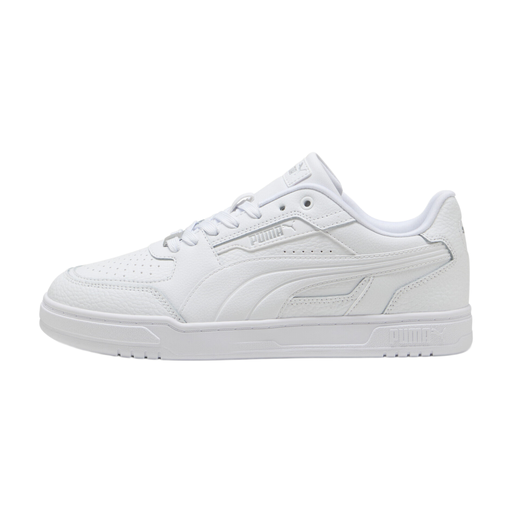
Why it suits this profile: A versatile unisex style for everyday wear, casual outfits and light sporting activities. The white, silver and black colourway is easy to pair with other clothes.
The product information specifically describes a lace-up sports shoe construction with cushioning. Before ordering, check that the fit is right for your foot.
Unisex fit, low-top style and rubber outsole, according to the product description.
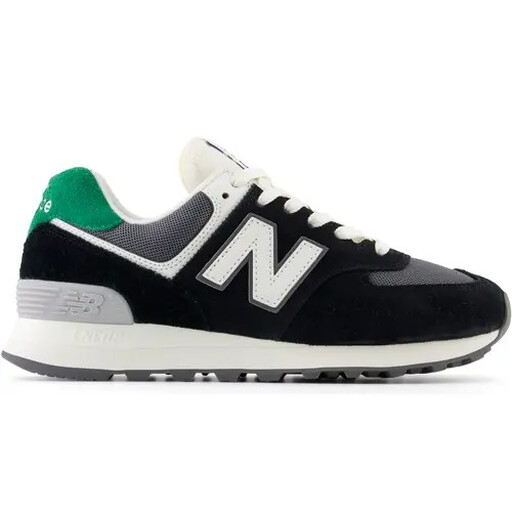
Why it suits this profile: A retro-inspired style for anyone who values materials, construction and a neutral look.
The description specifies a suede and mesh upper, an ENCAP midsole and a rubber outsole. That gives you more to consider than just the appearance.
EVA/polyurethane midsole, mesh for breathability and rubber outsole, according to the product details.
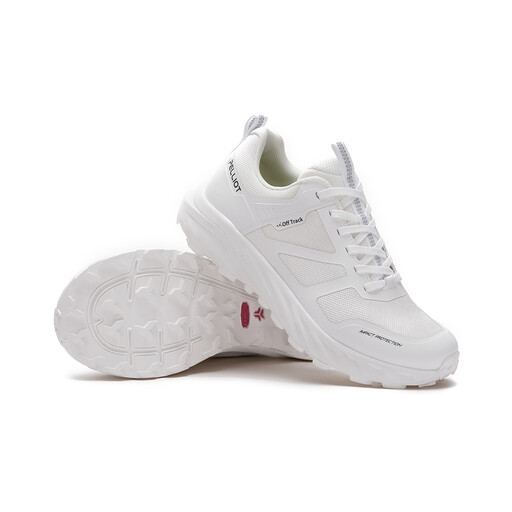
Why it suits this profile: Designed for running and routes with varied surfaces. The product information mentions mesh, EVA foam and a treaded outsole.
This style isn’t described as a casual trainer alone: the product details give sizing guidance for standard or narrower feet, and specify an outsole for different types of terrain.
Lightweight mesh, an EVA midsole and a rubber ROCKYTEC outsole, according to the product description.
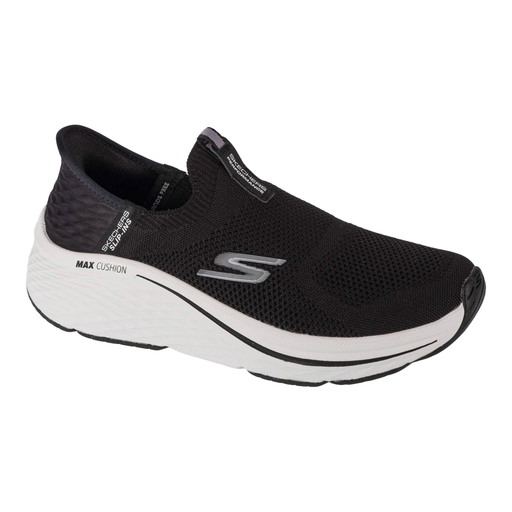
Why it suits this profile: This black low-top trainer has a standard fit, lace fastening, textile upper and rubber sole. It’s a good match for everyday walking and informal outfits.
The sizing information lists EU 38 with a D width and a standard fit. That makes the sizing guidance more specific than a general claim about comfort.
Textile upper, rubber sole and removable insole, according to the product information.
White women’s trainers work well with jeans, dresses and sportswear, but need cleaning more often. Black women’s trainers are more practical for everyday commuting and easy to pair with darker clothes. A style such as the Nike Dunk Low for women has a leather upper and a low-cut shape, while Converse women’s trainers are generally recognisable by their canvas upper and vulcanised rubber sole.
For a sportier look, consider PUMA women’s trainers, Skechers women’s trainers or styles specifically sold as running shoes. If you’re after a retro look, the New Balance 574 for women is worth considering. Check the size, material and care advice for each pair individually.
We’ve put together a complete, up-to-date list of products that meet these strict selection criteria and the applicable European safety regulations.
It varies by brand, style and width. Measure your foot in centimetres and use the size chart on the product page. For size 37 or size 39 women’s trainers, also check the difference between a standard width and a wider fit.
Their lifespan depends on how often you wear them, your body weight, the surfaces you walk on, the material and how well you care for them. A pair worn every day will wear out faster than one you rotate with other pairs. Replace your trainers when the outsole becomes visibly smooth, the heel no longer provides support or the upper is structurally damaged.
Not necessarily. Check whether the product is specifically sold as a running shoe, and consider the sole, fit, cushioning and intended terrain. A low-top trainer may be enough for walking or casual wear, but intensive running calls for a style designed for that purpose.
