
Vandaag of morgen in huis

Kwaliteit gegarandeerd

Welkomstaanbiedingen ontgrendelen: GRATIS bezorging | Tot 80% korting | Gratis 30 dagen JoyPlus-proefperiode
Download de app
A pair of women's trail running shoes needs to do more than an ordinary running shoe. On Dutch woodland paths, sand, roots, wet leaves, gravel and tarmac can quickly alternate. Yet many runners choose trail shoes based solely on the brand, an eye-catching tread or the promise of waterproofing.
That can lead to unnecessary expense. An aggressive outsole, for example, may feel less comfortable on tarmac, while a lightweight mesh shoe may not provide enough protection on rocky paths. With these practical selection points, you can compare Salomon women's trail running shoes, Nike trail running shoes and shoes for gravel running based on verifiable product information.
Deep lugs are useful in mud and soft woodland, but they are not automatically suitable for long stretches of paved road. On gravel or tarmac, a coarse tread may roll less smoothly and wear out more quickly. So consider the terrain you actually run on, rather than focusing only on the most eye-catching outsole.
Trail running shoes with GORE-TEX feature a membrane which, according to the product description, supports water resistance and breathability. This does not mean that water can never enter through the collar, laces or upper. Waterproof trail shoes are especially practical in rain, wet grass and mud; on warm summer days, an open mesh model may offer more comfortable ventilation.
A soft midsole means little if the heel slips or the forefoot is too narrow. Check that the shoe provides enough room for your toes while fitting securely around the midfoot. Over longer distances, feet can swell slightly. If possible, try shoes on with the socks you normally run in.
For trail running shoes with good grip, two factors are important:
An outsole with multidirectional lugs, such as that on the Nike Pegasus Trail 3, is intended according to the product description for both rougher trails and urban surfaces. This makes this type of shoe interesting for women's running shoes for trail and city use. For soft, muddy routes, the Salomon Speedcross models with a Contagrip TA outsole and deep grooves are more logical options to consider.
The midsole determines how much support and cushioning you experience during longer runs. Models with EnergyFOAM, EnergyCell+ or React foam each have their own construction. Do not judge them solely by the name of the material; also consider:
According to the product descriptions, the Salomon Alphaglide W and Nike Pegasus Trail 3 are designed to provide comfort and cushioning for mixed use. According to the same source, the Salomon Genesis uses EnergyFOAM and a reinforced toe box for routes with stones and other loose debris.
An anti-debris mesh can help keep sand and small stones out. According to the product descriptions, a reinforced toe box and heel provide extra protection against dirt and rough surfaces. Also note the difference between:
For heavy rain and mud, women's waterproof trail shoes are a practical choice. For dry gravel paths and runs around town, a breathable upper may be all you need.
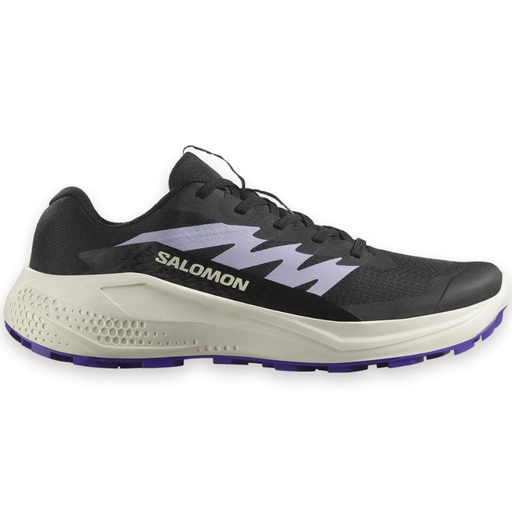
Why it suits this profile: The combination of balanced cushioning, anti-debris mesh and a trail-specific tread suits beginners who want to try different routes.
The model is not designed solely around deep mud lugs, so it can also be used on mixed routes.
Balanced midsole, foot-hugging fit and anti-debris mesh.
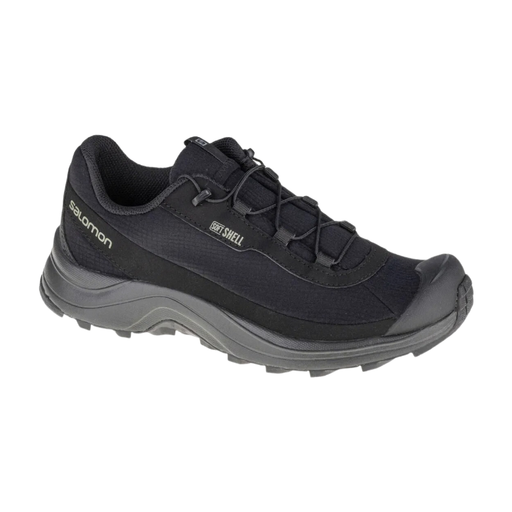
Why it suits this profile: If you run longer distances and tackle technical trails, you may benefit from the combination of protection, cushioning and a secure fit.
The product description mentions a reinforced toe cap, so protection does not have to come solely from the outsole tread.
EnergyFOAM midsole, All Terrain Contagrip outsole and SensiFit fit according to the product description.
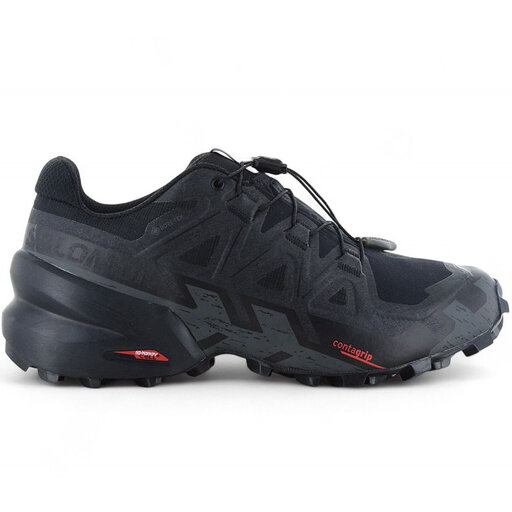
Why it suits this profile: This model is designed for runners who often tackle wet, soft or muddy terrain and place extra emphasis on grip and protection from moisture.
The GORE-TEX membrane and deep Contagrip tread suit wet and loose surfaces, rather than being designed solely for use in the city.
GORE-TEX, Quicklace and an aggressive tread according to the product description.
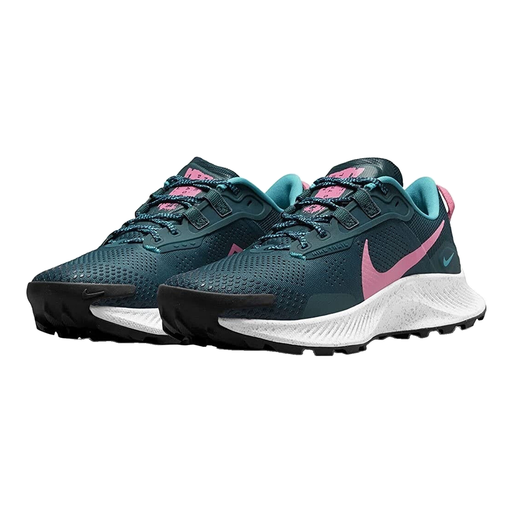
Why it suits this profile: The combination of React cushioning and an outsole with multidirectional lugs suits routes combining gravel, park paths and urban sections.
According to the product description, the model is intended for both trail and city use, so you may not need two different pairs.
React foam, breathable mesh and reinforced toe box and heel according to the product description.
We have put together a complete, up-to-date list of products that fully meet these strict selection criteria and the applicable European safety regulations.
The correct size is more important than a particular brand name. Pay attention to the following points:
A Salomon fit with SensiFit may feel different from the fit of Nike. This is not in itself a difference in quality, but it is a reason to check the product details, reviews and returns policy carefully.
Lifespan depends on your body weight, running style, distance and the surface you run on. Frequent use on tarmac will generally shorten the lifespan of an aggressive trail tread. Regularly check the outsole, midsole and upper. Replace your shoes when the grip noticeably decreases, the cushioning feels uneven or the material becomes damaged.
Not always. According to the product description, GORE-TEX is designed to provide water resistance and breathability. This is practical in rain and on wet routes, but a non-waterproof mesh model may feel more breathable in warm, dry weather. Choose based on the climate and route, rather than simply whether the shoe has a membrane.
You can with models described as suitable for mixed surfaces, such as the Nike Pegasus Trail 3 or Salomon DRX DEFY GRVL W. If you run frequently on tarmac, a less aggressive tread is usually more practical. For road running only, a standard running shoe will often be the more sensible choice.
