
Vandaag of morgen in huis

Kwaliteit gegarandeerd

Welkomstaanbiedingen ontgrendelen: GRATIS bezorging | Tot 80% korting | Gratis 30 dagen JoyPlus-proefperiode
Download de app
When you’re looking for women’s trail running shoes, you’ll soon come across terms such as “all terrain”, “maximum cushioning” and “waterproof”. On their own, these terms don’t tell you much. A shoe that feels comfortable on a woodland path won’t necessarily be suitable for mud, tarmac or a long walk in the hills.
For women who combine trail running, walking or other outdoor activities, grip, fit, cushioning and protection are especially important. Read on to find out what to look for and which models suit different activities.
A deep outsole may look suited to tough terrain, but the shape and placement of the lugs are just as important. Deep grooves are often useful on wet clay. On tarmac, though, they can feel unstable and wear down more quickly.
So, look out for:
An outsole with a medium lug depth may be more practical for mixed terrain, such as gravel, sand, woodland paths and light mud.
A mesh upper can be breathable, but it usually lets water in more quickly than a model with a membrane. On the other hand, a water-resistant construction can feel warmer during intense runs.
Check the product description for a specific feature, such as GORE-TEX or another waterproof membrane construction. Treat a brand’s claims about keeping you dry or breathability as information from the brand, not a guarantee for every weather condition. Even a waterproof shoe can let water in through the ankle opening or during prolonged walks through puddles.
A shoe may have technical features but still feel uncomfortable if your heel slips or your toes touch the front. Measure both feet at the end of the day and compare your foot length in centimetres with the size chart.
Also look for:
Some product listings may show the model size, EU size and foot length differently. Always check the details on the product page before ordering.
For off-road terrain, a rubber outsole and a suitable lug pattern are important. According to the product description, the Salomon Pulsar Trail W has a 2.5 mm tread and an All Terrain contaGRIP outsole. It’s designed for surfaces such as sand, gravel and light mud.
For soft, muddy paths, a deeper tread can offer better grip. According to the product information, the Salomon Speedcross 5 GTX W comes with a Contagrip TA outsole featuring deeper grooves. This makes it more appealing for softer and mixed terrain, but not automatically suitable for everyday use on tarmac alone.
The stack height tells you how much sole material sits beneath your foot. According to the product details, the Salomon Pulsar Trail W has 32 mm under the heel and 26 mm under the forefoot. The 6 mm difference is the drop.
A higher sole can feel comfortable over longer distances or on uneven paths, while a lower drop may feel more natural to some runners. There’s no one-size-fits-all answer: your running style, previous shoes and what you’re used to will all affect what feels comfortable.
A mesh upper is generally designed to provide ventilation and keep weight down. Synthetic reinforcements around the toe and heel can offer extra protection from stones and branches. For walking and hiking, a stable heel and easy adjustment are important too.
QuickLACE on certain Salomon models and traditional laces each have their own advantages. A quick-adjustment system is handy on the go, while regular laces often give you more ways to adjust pressure across different areas of your foot.
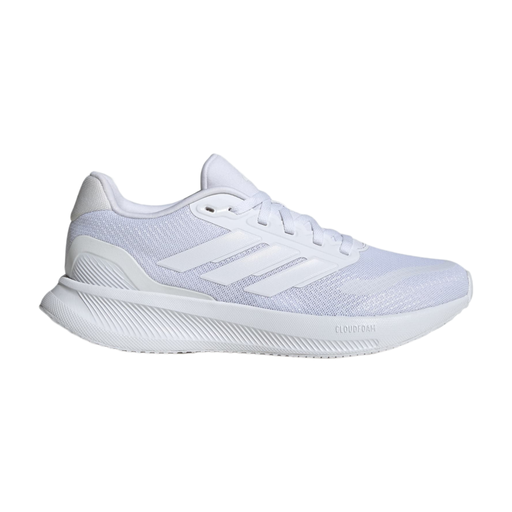
Why it suits this activity: According to the product description, this model is designed for everyday movement, running and an active lifestyle. It’s a practical starting point if you don’t run exclusively on trails.
The flexible outsole and breathable mesh upper are a more useful starting point than a marketing term such as “outdoor”. Be sure to check the sizing details carefully.
Mesh upper, responsive cushioning and a flexible tread for training, everyday wear and light off-road paths.
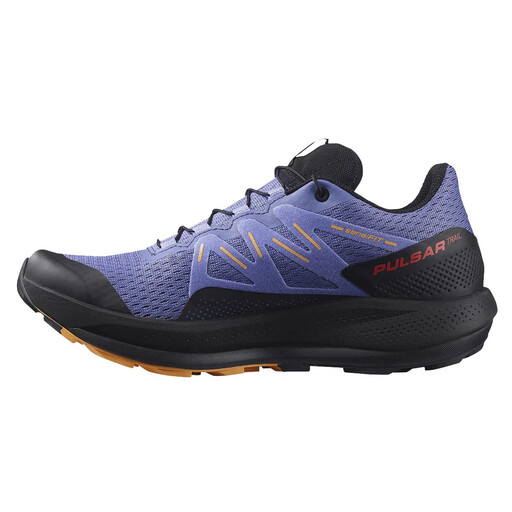
Why it suits this activity: According to the product details, this model combines a 2.5 mm tread, 6 mm drop and a weight of around 280 grams per shoe. It’s a good choice for runners looking for a lightweight trail running shoe with noticeable cushioning.
The product description gives specific measurements for the tread, drop and stack height. That makes it easier to compare the shoe than relying on claims such as “great grip” or “lots of comfort”.
OptiFOAM midsole according to the product information, SensiFIT fit and QuickLACE fastening. Suitable for sand, gravel and light mud.

Why it suits this activity: According to the product description, this model is designed for muddy and mixed terrain. The GORE-TEX membrane and Contagrip TA outsole make it a good match for wet walks and trail runs.
The product information specifies both the membrane and the outsole construction. This gives you more to go on than a general claim such as “waterproof trail running shoes”.
GORE-TEX according to the product description, deep grooves in the Contagrip TA outsole, EnergyCell+ midsole and QuickLACE fastening.
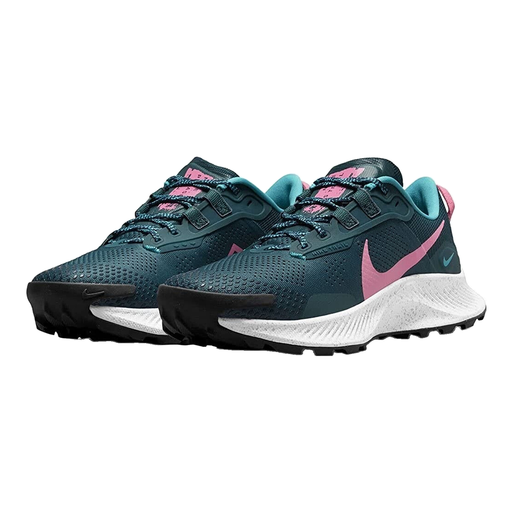
Why it suits this activity: According to the product description, this model is designed for trail running, city runs and outdoor activities. It’s a good fit if you don’t want to buy a separate shoe for every type of surface.
The combination of React foam, mesh and multidirectional lugs gives you a clearer idea of what the shoe is designed for. Do check that the fit suits your foot width.
React midsole according to the product details, mesh upper, reinforced toe and heel, and a rubber outsole with multidirectional lugs.
We’ve put together a complete, up-to-date list of products that meet these strict selection criteria and comply with current European safety regulations.
Yes, many trail running shoes work well for woodland walks, day trips and light hikes. Focus on heel stability, grip and weight. For carrying a heavy pack or tackling technical mountain trails, women’s walking boots with a sturdier construction may be more suitable.
Their lifespan depends on distance, body weight, terrain, care and storage. Tarmac generally wears down a trail tread more quickly than soft woodland paths. Replace your shoes when the tread becomes noticeably smooth, the cushioning feels less comfortable or the sole starts to deform in places.
It depends on how you’ll use them. A membrane can be useful for wet autumn paths and short walks. For intense runs in dry weather, a breathable mesh model may feel more comfortable. Always check the product specifications, and bear in mind that no shoe can keep out every amount of water in every situation.
