
Vandaag of morgen in huis

Kwaliteit gegarandeerd

Welkomstaanbiedingen ontgrendelen: GRATIS bezorging | Tot 80% korting | Gratis 30 dagen JoyPlus-proefperiode
Download de app
A pair of women’s trail running shoes needs to do more than look sporty. On Dutch woodland paths, mud, sand, wet leaves, tarmac and tree roots can come one after another. If you focus only on colour, brand or an attractive discount, you could end up with shoes that are too slippery, get wet quickly or feel uncomfortable after just a few walks.
The most common pitfalls are:
For muddy paths, shoes with good grip matter more than a soft, smooth sole. Pay attention to the shape and depth of the lugs:
According to the product description for the Salomon Speedcross 5 GTX W, its Contagrip TA outsole has deep grooves for soft, wet and rough terrain. This is a product specification, not a guarantee that you won’t slip on every surface. So, consider the routes you usually take, too.
Waterproof women’s trail running shoes are especially useful for rainy walks, wet woodland and muddy trails. According to Salomon’s product information, a GORE-TEX membrane is used to help provide water resistance and breathability. However, a waterproof model also has drawbacks: it can feel warmer and may take longer to dry if water gets in over the top of the shoe.
For dry summer days or intense exercise, an open mesh upper may feel more comfortable. According to their product descriptions, PELLIOT models use sandwich mesh and woven material for ventilation. Check whether each model has TPU reinforcement; this is mentioned for some versions and can offer extra protection against branches and stones.
The right fit helps prevent pressure points on a longer walk or trail run. Look out for:
A low-cut trail running shoe is lightweight and flexible. For long hikes over uneven terrain, a higher-cut model, such as some women’s walking boots, can offer more coverage around the ankle. That doesn’t automatically mean it’s a better choice for every foot or walking style.
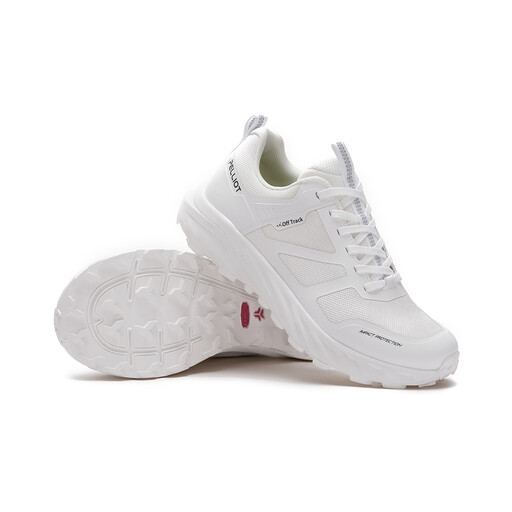
Why it suits this profile: A practical choice for anyone who alternates between tarmac, gravel and light woodland paths and wants one lightweight pair.
The product description mentions a breathable mesh upper and a ROCKYTEC rubber outsole. Check which sole version you’re ordering, though, as Vibram Megagrip is only mentioned for selected versions.
Lightweight construction, an EVA midsole and a choice of standard or narrower fit, according to the product information.
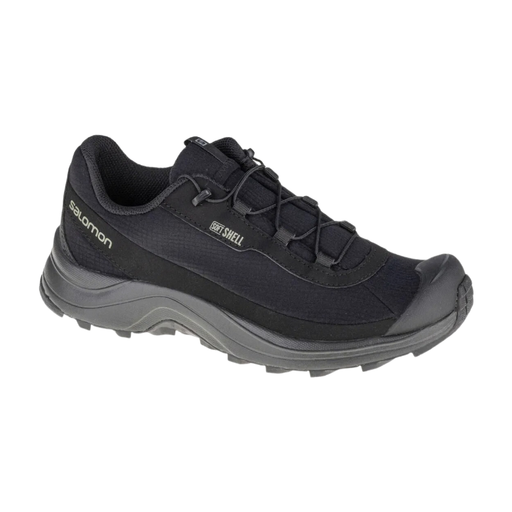
Why it suits this profile: Designed for trail runners who regularly tackle rocky, muddy or mixed paths and value a sturdy construction.
The product description mentions a reinforced toe and an engineered mesh upper. These help with protection and ventilation, but they don’t make the shoe waterproof.
EnergyFOAM midsole, All Terrain Contagrip outsole and SensiFit construction, according to the product information.
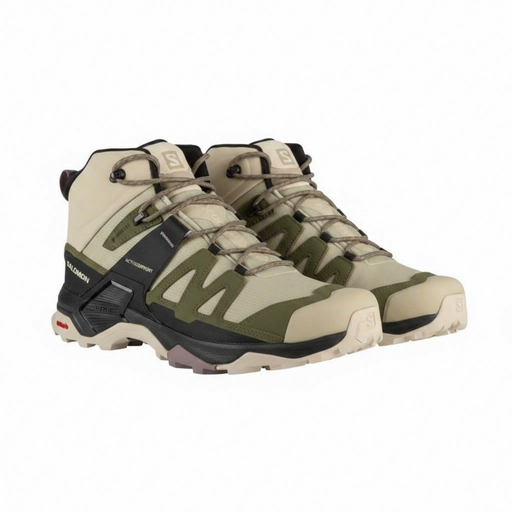
Why it suits this profile: A good fit for walkers and hikers who want more ankle coverage for longer routes and uneven ground.
The higher cut and GORE-TEX membrane are suited to wet walking conditions. According to the product information, the shoe is designed to protect against water; follow the care instructions to keep the material in good condition.
Mid-cut design, EnergyCell midsole and Contagrip MA outsole, according to the product specifications.
We’ve put together a complete, up-to-date list of products that meet these strict selection criteria and the applicable European safety regulations.
It depends on the sole and the terrain. A model with a deep tread may wear down more quickly on tarmac and feel less flexible. For everyday wear and short walks, versatile women’s outdoor shoes with a more moderate tread are often more practical. Models such as the Nike Pegasus Trail 3 are described as suitable for both trails and urban surfaces.
Their lifespan depends on the surface, how often you wear them, your body weight, care and storage. Regularly check the lugs, heel and midsole for wear. Replace your shoes when the sole becomes noticeably smooth, the upper tears or the cushioning no longer feels comfortable. Let wet shoes dry naturally and avoid putting them on a radiator or in a tumble dryer.
Not as a rule. Start by choosing a size based on the size chart and the specific model’s foot-length measurements. Ideally, try shoes on with the socks you’ll wear when walking or running. There should be room around your toes, but your heel shouldn’t slip. A little extra toe room can feel more comfortable on long descents, as long as the shoe isn’t too loose.
