
Vandaag of morgen in huis

Kwaliteit gegarandeerd

Welkomstaanbiedingen ontgrendelen: GRATIS bezorging | Tot 80% korting | Gratis 30 dagen JoyPlus-proefperiode
Download de app
A pair of women’s trail running shoes needs to do more than an everyday running shoe. On Dutch woodland paths, you’ll encounter wet leaves, mud, tree roots, sand and stretches of tarmac. So choosing the right pair isn’t just about the brand or colour; grip, fit, cushioning and protection matter most.
Many buyers run into the same pitfalls:
Look at the outsole tread and the type of rubber used. For muddy trails, wide, clearly defined lugs are practical. They can shed mud more effectively than a flat outsole. On rocky paths, an outsole with plenty of surface contact feels more comfortable, as you’ll often land on hard, uneven sections.
A shoe for mixed terrain should also cope with short stretches of tarmac. A very coarse tread may wear down faster or feel stiff on these surfaces. If you mainly run in Dutch woods, dunes and parks, a versatile outsole is usually a better choice than an extreme mountain tread.
Waterproof trail running shoes with a GORE-TEX membrane are worth considering for rainy routes, wet grass and mud. According to Salomon’s product information, its GORE-TEX construction is designed to combine water resistance with breathability. This is the brand’s claim; your experience will depend on factors such as fit, outside temperature and how deep the water is.
An open mesh upper, as found on some lightweight trail running shoes, generally releases heat and moisture quickly. This can feel more comfortable in mild weather or during intense runs. Check the toe cap and reinforcements too: branches and stones put more demands on a shoe than an urban route.
An EVA or foam midsole can give you a softer ride. According to PELLIOT’s product description, its elastic EVA midsole is designed to provide resilience and shock absorption. Treat this as a product specification, not a medical guarantee.
Also look out for:
Before buying, check the EU size, foot length in millimetres and fit-width information. For example, the PELLIOT Running Shoes product information states that EU 38 corresponds to a foot length of 240 mm and EU 37 to 235 mm.
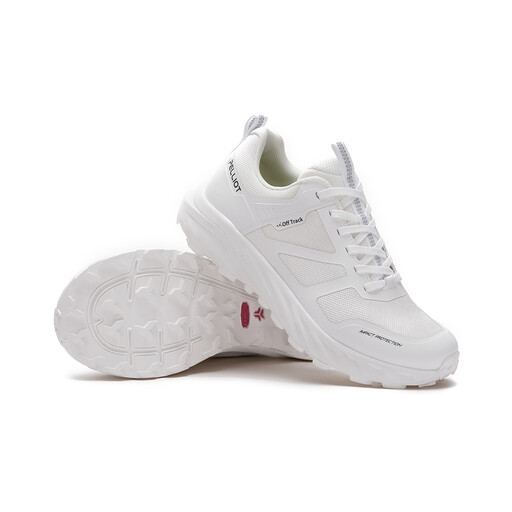
Why it suits this type of runner: This lightweight model is designed for routes that combine tarmac, park paths and unpaved sections. Its breathable mesh and woven construction is a good fit for beginners looking for one pair to wear on different surfaces.
The product description lists a ROCKYTEC rubber outsole with anti-slip and wear-resistant properties. Check which outsole version comes with the model you choose.
Lightweight upper, EVA midsole and a choice of standard or narrow fit.
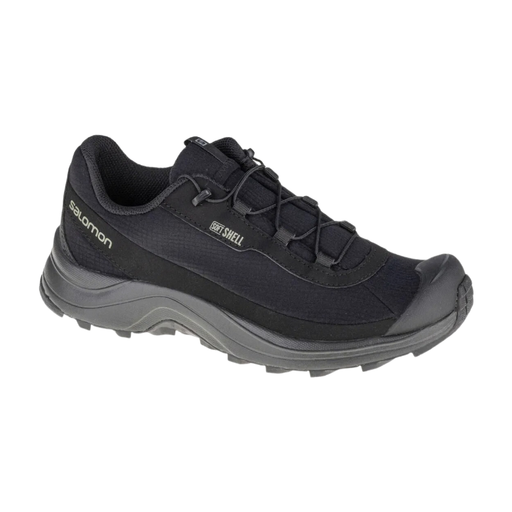
Why it suits this type of runner: This model is aimed at trail runners who regularly tackle rocky and mixed routes and value a sturdy, supportive construction.
According to the product information, the reinforced toe provides extra protection from stones and dirt. This makes the shoe more practical on rough terrain than a smooth-soled city trainer.
EnergyFOAM midsole, All Terrain Contagrip outsole, mesh upper and SensiFit construction.
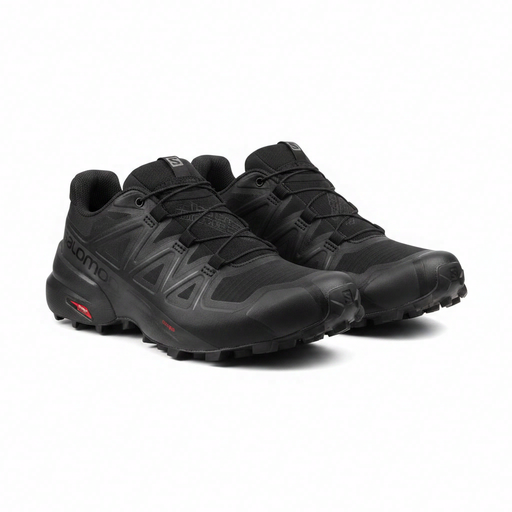
Why it suits this type of runner: If you often run in rain, mud and on soft ground, this women’s Speedcross GTX model has specifications suited to wet routes.
The product specifications list GORE-TEX and a Contagrip TA outsole with deep lugs. Check the size and fit when your shoes arrive, as rain protection is no substitute for a secure fit.
GORE-TEX membrane, deep tread lugs, EnergyCell+ cushioning, SensiFit and Quicklace.
We’ve put together a complete, up-to-date list of products that meet these strict selection criteria and the applicable European safety regulations.
Not always. A membrane is practical in rain, wet grass and mud, but can feel warmer than open mesh. In dry, warm weather, breathable lightweight trail running shoes may be more comfortable. Choose waterproofing based on your routes and the weather you usually run in.
Their lifespan depends on how often you run, your body weight, the terrain, how well you look after them and how much the outsole has worn. Look out for flattened lugs, tears in the upper, a midsole that has compressed unevenly or a heel that no longer feels secure. Clean your shoes with lukewarm water and a soft brush, then leave them to air-dry. Don’t use direct heat, and always follow the care label.
They can sometimes work on flat gravel paths and dry park trails, but ordinary running shoes often have less tread and protection. For mud, roots, loose stones and wet slopes, women’s trail running shoes with a suitable outsole and reinforced toe are a more sensible choice. Also check that the shoes remain comfortable when you’re outside for longer periods.
