
Vandaag of morgen in huis

Kwaliteit gegarandeerd

Welkomstaanbiedingen ontgrendelen: GRATIS bezorging | Tot 80% korting | Gratis 30 dagen JoyPlus-proefperiode
Download de app
Wet woodland paths, muddy dunes and uneven stones demand more from your shoes than a paved road. Yet many women choose a pair of women’s trail running shoes based mainly on their appearance, brand name or bold product claims. That can lead to cold feet, painful pressure points or soles that aren’t suited to the terrain.
The main pitfalls are:
For soft, wet or loose paths, deeper, clearly defined tread lugs are usually more practical than an almost flat sole. Product descriptions for various Salomon models specify Contagrip soles for grip on a range of surfaces. This is a product specification, not a guarantee that you won’t slip on every surface.
A sole with around 2.5 mm of tread can be a good compromise for sand, gravel and light mud. The Salomon Pulsar Trail W lists this tread depth. For deep mud or technical trails, a more aggressive tread may make more sense. If you mainly run in town and on paved cycle paths, very deep lugs are rarely much use.
If you often run in the rain in the Netherlands, you could consider women’s waterproof trail running shoes with a membrane. The product description for shoes with GORE-TEX says they’re designed to combine waterproof protection with breathability. In practical terms, the membrane can help in the rain and on wet grass, but the shoe isn’t designed to be submerged for long periods.
Also check:
A waterproof shoe may feel warmer than an open mesh model. For dry summer days, a lighter, non-waterproof trail shoe may be more comfortable.
Cushioning affects how a shoe feels over longer distances and on hard stones. The Salomon Pulsar Trail W lists a heel height of 32 mm, a forefoot height of 26 mm and a 6 mm drop. These figures give you an idea of the shoe’s construction, but they can’t fully predict how it will feel on your feet.
When trying shoes on, check for:
A Quicklace system can be adjusted quickly. According to the product description, a SensiFit or similar fit construction is designed to wrap around the foot. Treat this brand information as the manufacturer’s description, and focus on whether the shoe actually fits you well.
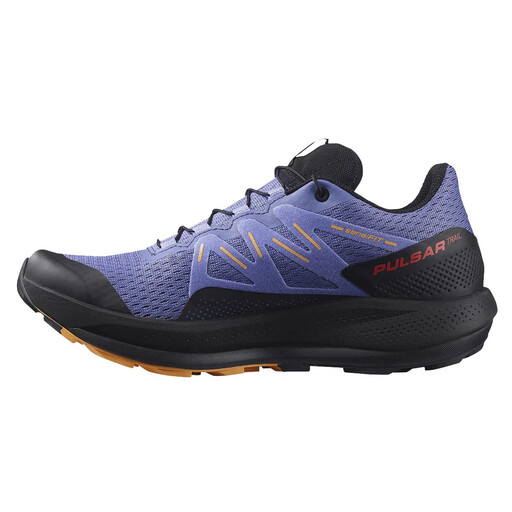
Why it suits this type of runner: A versatile choice for anyone starting out on sand, gravel and light mud who wants a relatively lightweight shoe.
The stated tread depth of 2.5 mm makes it clear which surfaces the shoe is designed for; don’t expect a deep-mud tread.
280 grams per shoe according to the product information, a 6 mm drop and OptiFOAM cushioning.
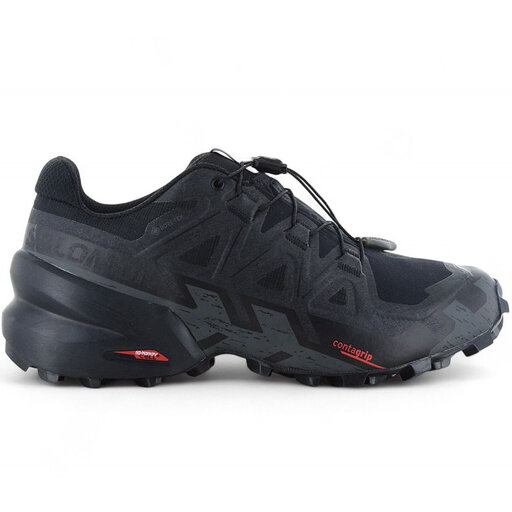
Why it suits this type of runner: Designed for women who regularly run on muddy, loose and technical trails and value protection from the rain.
The combination of GORE-TEX and a deep Contagrip tread makes the type of protection and intended terrain clear in the specifications.
Waterproof membrane according to the product description, Quicklace fastening and SensiFit construction.
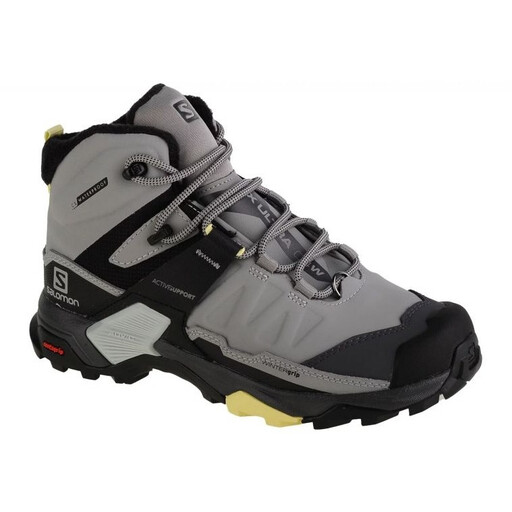
Why it suits this type of runner: For winter walks, hiking and cold conditions when a trail running shoe is too low-cut or not insulated enough.
The product information lists both Thinsulate insulation and a waterproof construction, so its suitability for winter isn’t based on a marketing image alone.
Mid-cut design, Winter Contagrip sole and ADV-C Chassis according to the product description.
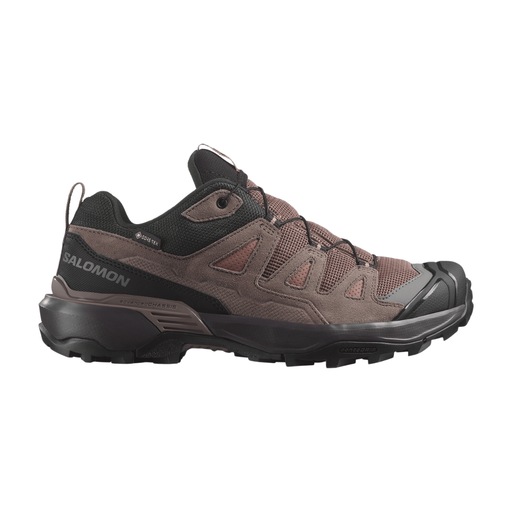
Why it suits this type of walker: An option for walking, trekking and outdoor activities where a more durable leather upper and toe protection are welcome.
The specifications list GORE-TEX protection, a reinforced toe and heel, and the Contagrip sole separately.
Leather upper, EVA cushioning and All Terrain Contagrip according to the product information.
We’ve put together a complete, up-to-date list of products that meet these strict selection criteria and comply with current European safety regulations.
Yes, they can work well for short walks on woodland and gravel paths. For long walks with a heavy rucksack, women’s walking shoes or women’s hiking shoes often offer more support, protection and a stiffer construction. Choose a mid-cut model if ankle protection is important to you.
Their lifespan depends on distance, body weight, terrain, care and running style. Check the tread, cushioning and seams regularly. If the sole is visibly worn smooth, the midsole has become permanently deformed or the heel no longer feels stable, it’s wise to replace the shoes rather than judging by their age alone.
Not always. GORE-TEX trail shoes are practical in the rain, on wet grass and in mud. In dry conditions or during intense summer exercise, a non-waterproof mesh model may offer better ventilation. Choose according to how you’ll use them: wet winter routes call for something different from dry dune paths or paved training routes.
