
Vandaag of morgen in huis

Kwaliteit gegarandeerd

Welkomstaanbiedingen ontgrendelen: GRATIS bezorging | Tot 80% korting | Gratis 30 dagen JoyPlus-proefperiode
Download de app
When looking for women’s trail running shoes, it’s easy to focus first on the brand, colour and discount. But it’s the sole, fit and protection that make the biggest difference on muddy woodland paths, loose stones and wet trails. A shoe that feels comfortable on tarmac may not offer enough grip or stability on technical trails.
This buying guide helps you compare women’s trail shoes based on features you can check. That way, you can avoid paying for features that don’t suit the way you run.
Deep lugs are useful on soft mud and loose woodland trails, but can feel less comfortable on tarmac or hard rock. So, check the type of tread and the terrain the manufacturer says the sole is designed for. A sole made for mixed terrain is more practical if your route includes woodland paths, cycle paths and short stretches of tarmac.
GTX trail running shoes for women with a GORE-TEX membrane are designed to make it harder for water to get in from the outside. This makes them a good option for rain, wet grass and mud. However, a waterproof construction can feel warmer than an open mesh upper. For dry summer trails, a breathable model without a membrane may make more sense.
Pay attention to the wording, too. According to Salomon’s product description, GORE-TEX helps with water resistance and breathability; this doesn’t guarantee that water will stay out in every situation. The depth of puddles, the condition of the seams and how you care for the shoes all play a part.
Features such as SensiFit, Quicklace or a women’s anatomical last can help wrap around your foot, but fit is still personal. A toe box that’s too tight can cause pressure on descents, while a heel that’s too loose can rub and reduce control. So, choose your size based on your foot length, the size chart and how much room you need for your trail socks.
For off-road running shoes, there are three important things to consider:
According to Salomon’s product descriptions, Contagrip soles are designed to provide grip on different surfaces. Treat this as a product specification, not a universal promise for every type of terrain.
A trail running shoe should provide enough cushioning, but shouldn’t be so soft or high that you lose feel for the ground beneath you. Check the midsole, for example EnergyFOAM, EnergyCell+ or React foam. Product information associates these materials with cushioning and responsiveness.
For longer routes, a reinforced toe and sturdy heel are practical features. If you mainly walk, you could also consider women’s walking boots with a higher ankle. According to the product description, a mid-cut model offers extra support around the ankle, but feels less flexible than a low-cut running shoe.
Mesh is lightweight and usually allows more air to circulate. Synthetic overlays and a reinforced toe can help protect against stones and branches. Leather, as used in some outdoor shoes, is designed for durability but may feel heavier.
Also check:
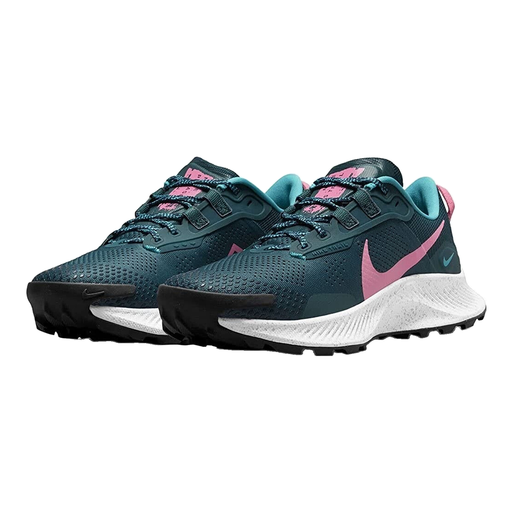
Why it suits this profile: The React midsole and sole with multidirectional grooves make this model a good choice if you switch between trail running and routes through town.
The tread isn’t designed exclusively for mud. The product description mentions both rocky trails and urban surfaces.
React foam, mesh upper, and reinforced toe and heel.
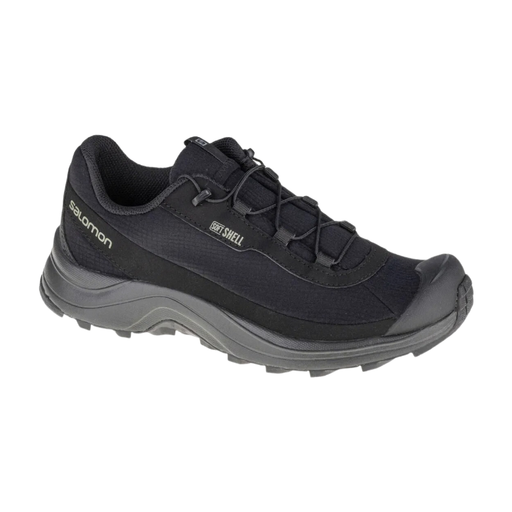
Why it suits this profile: This model is designed for longer trail runs and technical terrain, with EnergyFOAM, All Terrain Contagrip and a reinforced toe.
The specifications cover both cushioning and protection, so you don’t have to rely on eye-catching looks or a marketing name alone.
EnergyFOAM midsole, breathable engineered mesh and All Terrain Contagrip sole.
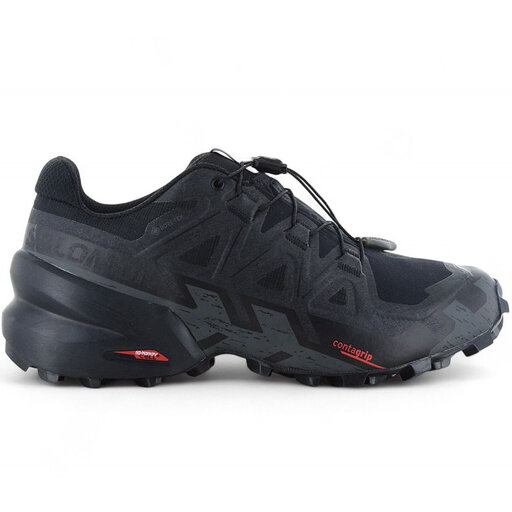
Why it suits this profile: For wet, loose and technical trails, the product description lists a GORE-TEX membrane, an aggressive Contagrip tread and Quicklace.
The GTX membrane and deep grooves are suited to wet and soft ground, rather than every type of route.
GORE-TEX construction, women’s fit, Contagrip sole and adjustable Quicklace system.
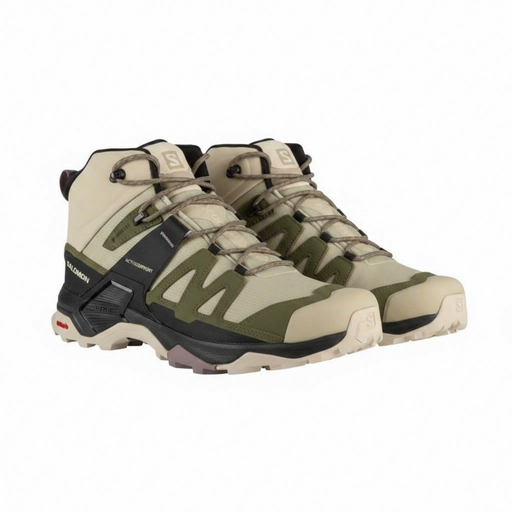
Why it suits this profile: The mid-cut design, GORE-TEX membrane and Contagrip MA sole are suited to walking and trekking over uneven ground.
This model isn’t presented as a lightweight racing shoe, but as a walking shoe with extra ankle coverage and protection.
Mid-cut design, GORE-TEX, EnergyCell midsole and Contagrip MA rubber.
We’ve put together a complete, up-to-date list of products that meet these strict selection criteria and the applicable European safety regulations.
Not always. Women’s GORE-TEX shoes are particularly practical in rain, wet grass, snow and mud. On dry, warm routes, a model without a membrane may offer better breathability. Choose the construction to suit the weather and the terrain you usually run on.
Their lifespan depends on how often you run, your body weight, the terrain, how well you care for them and how much the lugs have worn down. Regularly check that the sole still has plenty of tread, the cushioning hasn’t permanently compressed and the upper has no tears. After a wet run, let your shoes dry naturally and don’t put them on a radiator or in a tumble dryer.
Yes, they can work well for short walks and mixed routes. For long walks with a heavy rucksack or very uneven terrain, a sturdier model, such as a mid-cut outdoor shoe, may offer more protection. Focus on fit, tread and ankle coverage rather than just the label.
