
Vandaag of morgen in huis

Kwaliteit gegarandeerd

Welkomstaanbiedingen ontgrendelen: GRATIS bezorging | Tot 80% korting | Gratis 30 dagen JoyPlus-proefperiode
Download de app
A pair of women's trail running shoes needs to offer more than a standard running shoe. On Dutch woodland paths, sand, wet leaves, mud, gravel and tarmac can quickly give way to one another. The right shoe helps you run more comfortably, while the wrong choice can soon lead to poor grip, wet feet or an unstable feel.
Marketing copy does not always make comparisons easy. So focus mainly on verifiable features such as the sole pattern, upper material, cushioning and available sizing.
A deep sole may seem appealing if you often run on unsurfaced paths. However, a highly aggressive tread is not automatically comfortable on tarmac or hard-packed gravel paths. The lugs may feel less smooth there and wear down more quickly.
For trail running shoes for mud and gravel, it is important to match the tread to your route. Deep grooves are generally better suited to soft ground. A more moderate tread is more practical when you combine woodland, gravel and urban sections.
Waterproof trail running shoes with a GORE-TEX membrane may, according to the brand's product information, provide protection against rain and moisture. This does not mean they will completely prevent water entering through the ankle opening, in deep puddles or during prolonged immersion.
A membrane can also feel warmer than an open mesh upper. Therefore, choose trail running shoes with GORE-TEX mainly for wet routes, autumn and winter. For dry summer days, a breathable model without a membrane may be more practical.
Lightweight trail running shoes feel agile, but less material does not always mean sufficient protection. On rocky trails, a reinforced toe cap, stable heel and suitable tread are important. Plenty of cushioning can feel comfortable on longer routes, but a soft sole does not give every runner the same sense of control.
Also check the fit. A shoe that fits securely around the heel but is too narrow at the toes will remain uncomfortable, regardless of the midsole used.
The outsole determines how much contact you maintain with the ground. Look for:
Product names such as Contagrip refer to Salomon technologies. Use the technical specifications as a starting point and also read the information about the intended terrain.
The midsole affects how the shoe feels when running. Foams such as React, EnergyFOAM or EnergyCell+ are linked to cushioning and energy return in product information. These are design characteristics; how the shoe feels varies from one user to another.
For the Salomon Pulsar Trail W, a heel height of 32 mm and a forefoot height of 26 mm are specified. The difference is a 6 mm drop. A lower drop feels more natural to some runners, while others prefer more height under the heel. Do not look only at the number, but also consider what you are used to.
A good trail running shoe should hold your foot securely without creating pressure points. Look for:
Salomon uses SensiFit on various women's models for a close, supportive fit and Quicklace for fast adjustment. These are product specifications, not a guarantee that every foot will experience the same fit.
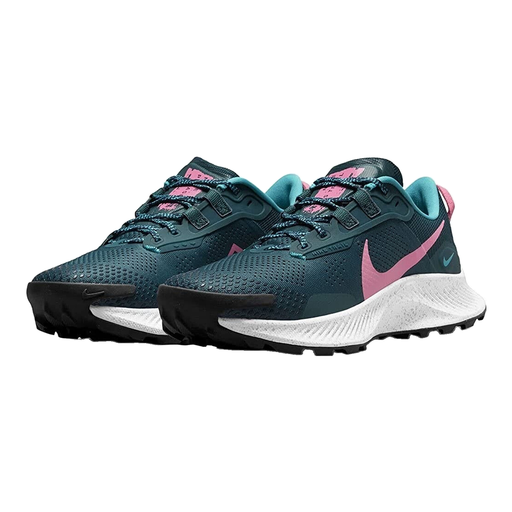
Why it suits this profile: According to the product description, this model is designed for a combination of trails, gravel and urban routes. This makes it practical for anyone starting out with trail running who does not run exclusively off-road.
The combination of mesh, a reinforced toe cap and multidirectional lugs prevents you from choosing based solely on appearance or weight.
React foam in the midsole, breathable mesh and a rubber sole for trail and urban use.
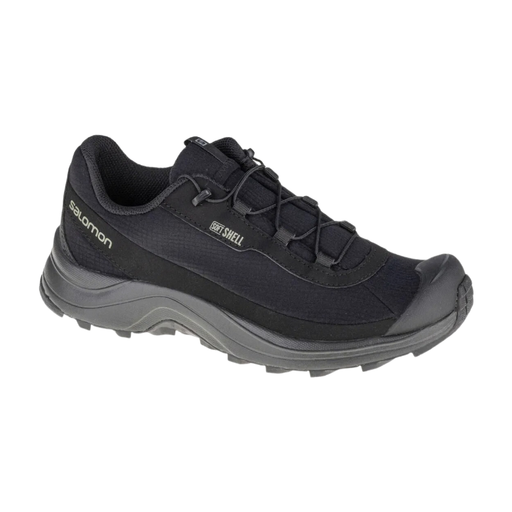
Why it suits this profile: The product information mentions EnergyFOAM, All Terrain Contagrip and a reinforced toe cap. This suits runners who regularly choose longer or more technical routes.
The reinforced toe cap and all-terrain rubber address the risk of choosing a lightweight shoe without sufficient protection.
EnergyFOAM midsole, All Terrain Contagrip sole and SensiFit fit according to the product description.
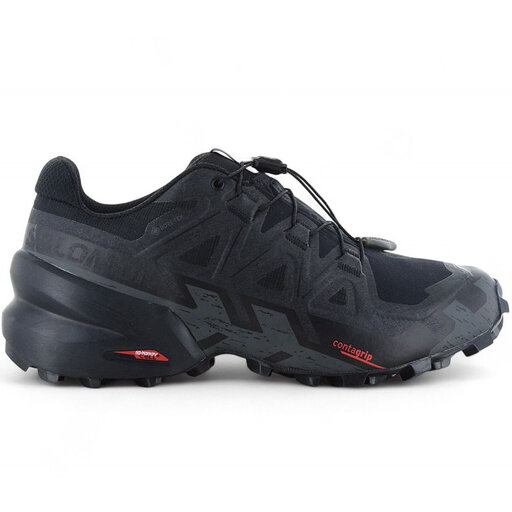
Why it suits this profile: According to the product description, this model is designed for wet, soft and uneven ground. It is therefore relevant for dedicated trail runners who often run in muddy conditions.
The use of GORE-TEX and an aggressive Contagrip tread makes the specifications clearer than a general “all weather” claim.
GORE-TEX membrane, Quicklace system and Contagrip sole with a tread designed for soft ground.
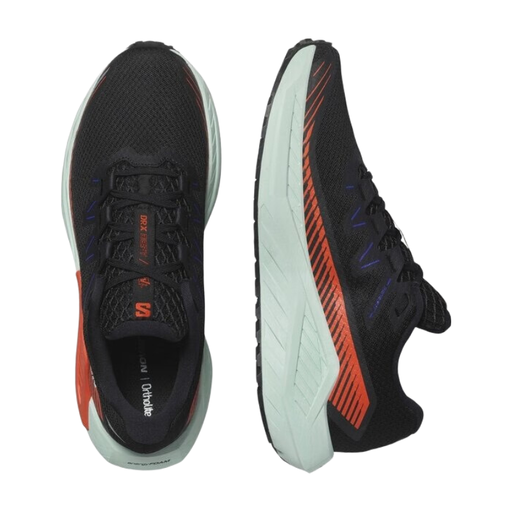
Why it suits this profile: According to the product details, this model is made for gravel and mixed terrain. Its lightweight construction suits recreational runners, walkers and users who alternate between different routes.
The All Terrain Contagrip sole is designed for several surfaces, so you do not automatically choose a mud tread for gravel.
EnergyFOAM cushioning, engineered mesh and a sole for dry and wet mixed surfaces.
We have compiled a complete, up-to-date list of products that fully meet these strict selection criteria and the applicable European safety regulations.
Try on trail running shoes with the socks you wear when running, if possible. Leave a little room around the toes for descents, but make sure the heel does not slip. Always check the EU size as well as the size chart for the specific model; sizing can vary by brand and version.
Allow your shoes to dry at room temperature after a wet training session. If possible, remove the insole and avoid direct heat from a radiator. You can remove mud with a soft brush. Always follow the care instructions on the label or packaging.
According to the product information, the products mentioned are covered by a minimum of two years' legal guarantee under European consumer rules. This is separate from normal wear and tear caused by use.
That depends on the sole pattern. Models with aggressive lugs are mainly designed for soft paths and may feel less smooth on tarmac. For routes with lots of paved sections, shoes with a moderate, versatile tread are more practical, such as models described as being suitable for both trails and urban use.
Their lifespan depends on how often you run, your body weight, the terrain, maintenance and sole wear. Look out for flattened lugs, tears in the upper or reduced cushioning. There is no fixed mileage limit that applies to every runner.
Choose GORE-TEX or a similar membrane if you often run in rain, wet grass or mud. For dry routes and warm days, a breathable mesh model may be more comfortable. Water resistance is therefore mainly a choice based on your route and the season, rather than an automatic requirement.
