
Vandaag of morgen in huis

Kwaliteit gegarandeerd

Welkomstaanbiedingen ontgrendelen: GRATIS bezorging | Tot 80% korting | Gratis 30 dagen JoyPlus-proefperiode
Download de app
A pair of women’s shoes may look appealing online but still be unsuitable for your needs. A football boot for artificial grass behaves differently from a women’s walking shoe for wet woodland paths. Even a leather shoe that feels comfortable in the shop may not offer enough room after a long day at work.
The main pitfalls usually aren’t about appearance, but about the sole, fit and choice of material. Use these checks to compare your options more carefully and reduce the risk of making the wrong purchase.
AG and FG soles aren’t interchangeable. AG football boots are intended for artificial grass, according to the product information. The stud pattern is designed for synthetic pitches. FG football boots, on the other hand, are made for firm, natural grass pitches.
If you wear boots designed for artificial grass on natural grass, or vice versa, the grip may feel different from what you expect. Football boots aren’t a sensible choice for five-a-side, tarmac or everyday wear either. So first, check where you’ll actually be wearing them.
When choosing waterproof walking boots, check the construction details provided. A membrane, such as GORE-TEX in a specific model, may offer protection from moisture, according to the product description. That doesn’t mean the boot can be left standing in deep puddles indefinitely or will remain waterproof after incorrect care.
Also check the seams, tongue construction and height of the boot. A higher hiking boot for women offers more coverage than a low-cut walking shoe, but may feel warmer and less flexible.
An EU size 39 isn’t identical across every brand or model. The shape of the last, the width and the socks you wear all make a difference. Some models come with a foot-length chart. Measure both feet at the end of the day and compare the longer foot with the chart.
Football boots should fit securely and closely around your foot. Walking boots should leave some room around your toes, especially if you wear thicker socks or walk downhill. If you’re between sizes, some product pages recommend choosing the larger size; check the advice for each model.
Check the description on the product page:
A grippy sole isn’t automatically comfortable for commuting. Choose the construction to suit the surface and the way you move.
Synthetic leather is lightweight and easy to clean. Full-grain leather can mould to your foot, but needs care and shouldn’t be submerged for long periods, according to the product information. For women’s leather shoes, use a soft cloth and suitable shoe-care products, and let them dry naturally.
For everyday wear, comfortable women’s shoes with elastic panels can be handy. According to the product information, the Geox D Bleyze E Collection has an upper made from 85% full-grain cow leather and 15% stretch textile. The lining is made from textile and synthetic material. Make sure the last offers enough room for your foot.
Laces allow you to adjust the fit precisely, which is useful for women’s football boots and walking boots. A quick-lacing system can be handy on hikes, but check that it stays secure while you’re moving.
Care varies by material:
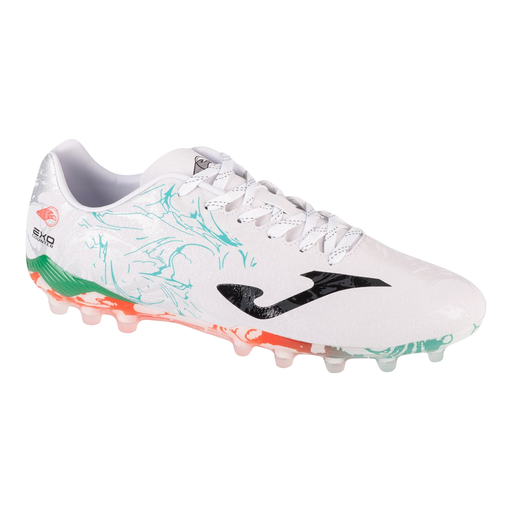
Why it suits this profile: This model is designed for football training and matches on artificial grass. The product information lists a synthetic upper, lace fastening and AG sole.
The surface type is clearly listed as AG. So you don’t have to guess whether the boot is suitable for artificial grass based on its appearance alone.
AG rubber sole, synthetic upper, lace fastening and available in size 41.
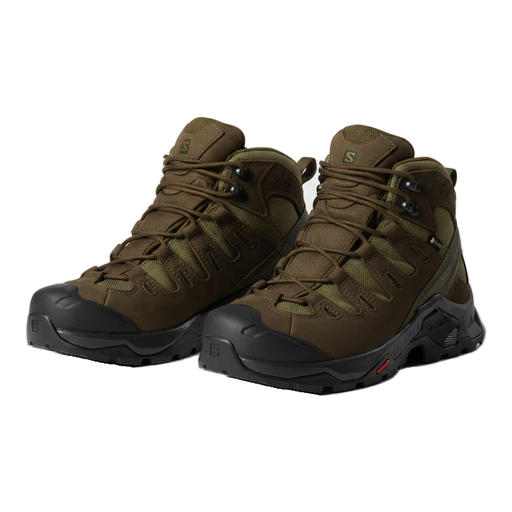
Why it suits this profile: This model is designed for longer routes and varied terrain. The product information mentions its high-cut design, wide fit and GORE-TEX membrane.
The product details specify the membrane and suitability for mixed terrain. Be sure to check the fit and care instructions before ordering.
High-cut design, rubber outsole, GORE-TEX membrane and a wider fit, according to the product information.
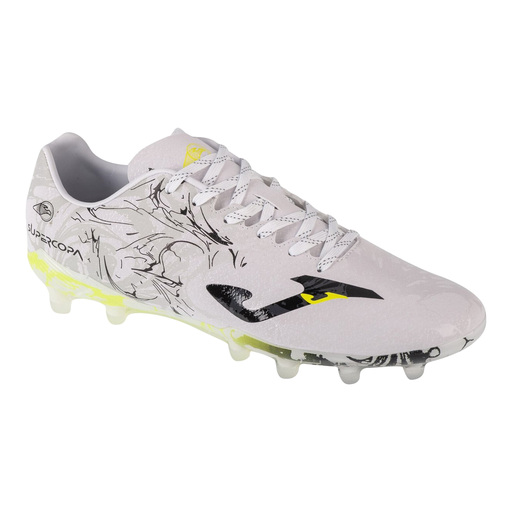
Why it suits this profile: For players who train or play matches on firm natural grass pitches, the FG designation is the key feature to look for.
Rather than being presented as a general football boot, this shoe is specifically identified as an FG model for firm natural grass.
FG sole, synthetic leather upper, textile lining and a padded insole, according to the product information.
We’ve put together a complete, up-to-date list of products that meet these strict selection criteria and current European safety requirements.
Choose a model with a suitable sole, enough room around the toes and a fastening that secures your foot properly. For wet conditions, look for a shoe whose product information specifically mentions a water-repellent membrane. A high-cut hiking boot offers more coverage, while a low-cut walking shoe is often more flexible.
Measure both feet in millimetres, preferably at the end of the day and wearing the socks you plan to use. Then check the size chart for the specific model. Consider not only the length, but also the width and the room around your toes. Extra space can be useful in walking boots; football boots generally need a closer fit.
Lifespan depends on how often you wear them, the surface, your body weight, how well you care for them and how you store them. Football boots used only on the recommended surface may stay in good condition for longer than boots worn on tarmac. Replace a pair when the sole shows visible wear, the grip has noticeably diminished or the upper no longer provides proper support. Check the seams, laces and insole regularly.
