
Vandaag of morgen in huis

Kwaliteit gegarandeerd

Welkomstaanbiedingen ontgrendelen: GRATIS bezorging | Tot 80% korting | Gratis 30 dagen JoyPlus-proefperiode
Download de app
A pair of women’s shoes can look great in a photo yet disappoint as soon as you wear them in Dutch rain, on cobbles or along a woodland path. The difference often lies not in the logo, but in the fit, sole and materials.
The most common buying mistakes are:
For use in town, a flatter rubber tread is usually sufficient. On mud, wet grass or loose woodland ground, a sole with deeper lugs is more suitable. Models such as the Salomon Speedcross range specify a Contagrip sole with a pronounced tread pattern. This is a relevant specification for trail running, although actual grip also depends on the surface, wear and your walking or running technique.
For everyday use, women’s trainers with a rubber outsole are often more practical. The Nike Dunk Low women’s and New Balance WL574 combine a casual design with a rubber sole. They are intended for urban and everyday situations, not technical trails.
With waterproof women’s shoes, you should check which component provides the protection. A GORE-TEX membrane is mentioned in the product descriptions of several Salomon models as a waterproof and breathable layer. According to Salomon’s product information, it is designed for wet conditions. This is not a reason to keep the shoes submerged or ignore the care instructions.
Also pay attention to:
GORE-TEX women’s shoes are particularly appealing for rainy walks, outdoor activities and trail runs. For short trips around town, a lighter textile model may be sufficient.
Always check the stated EU size, fit and shoe width. The available product information includes standard fits, width D and a wider model with width G. Skechers models such as the Graceful - Get Connected and Arch Fit-Big Appeal are listed as coming up large according to their size advice; ordering one size smaller is recommended. This advice varies by model and does not replace checking your own foot length.
Ideally, measure your feet at the end of the day, wearing the socks you intend to use. For women’s walking shoes and trail models, leaving roughly a small amount of space in front of your longest toe is practical, while your heel should not slip. Shoes that are too roomy can cause blisters and an insecure stride; shoes that are too tight are particularly problematic on descents.
The selection below is based on verifiable information from the supplied product descriptions, including material, sole type, fastening, membrane and size advice.
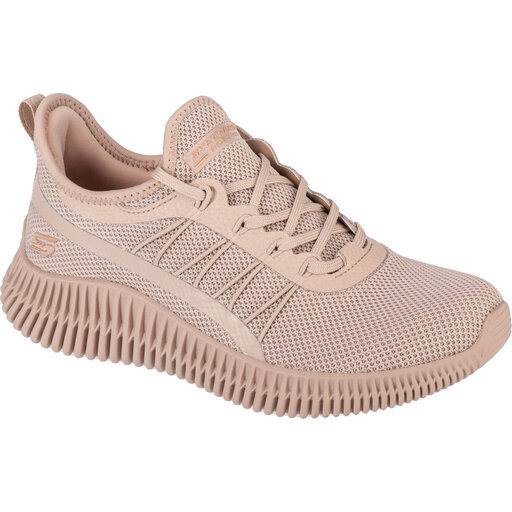
Why it suits this profile: This low-top model is designed for everyday use and has a standard fit, lace fastening and rubber sole. The beige colour is easy to pair with casual clothing.
The product information states the fit, width D and recommends ordering your usual size. This means you do not have to rely solely on the photo or colour.
Textile upper, rubber sole, low-top shape and lace fastening for an adjustable fit.
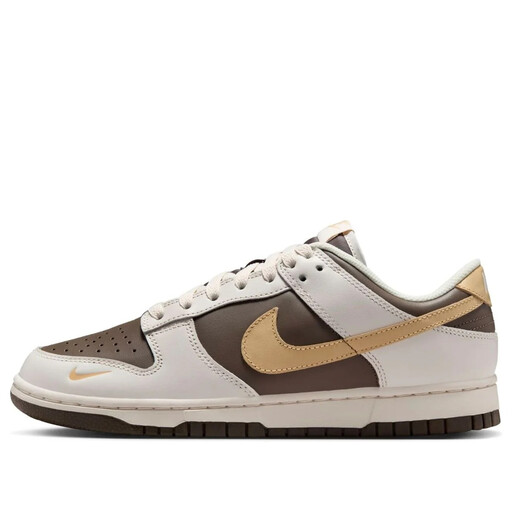
Why it suits this profile: These Nike Dunk Low women’s trainers have a leather upper, padded collar and rubber outsole. They are a good match for anyone looking for a smart streetwear model for everyday use.
The leather construction and reinforced stitching are stated in the product description. Do check the care instructions, however; this is not a trail or rain shoe.
Leather upper, padded collar, cushioned insole and rubber sole with pivot-point tread.
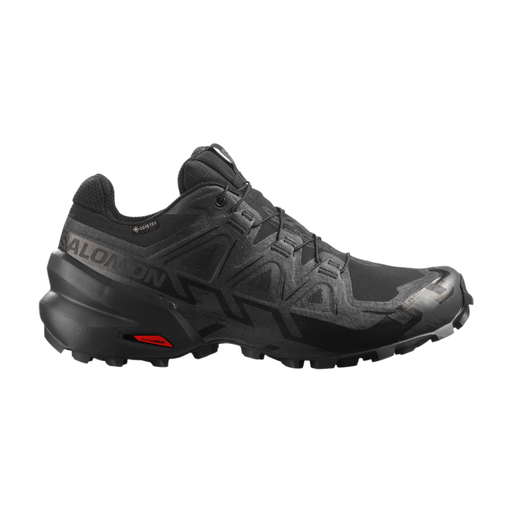
Why it suits this profile: According to the product description, this trail model is designed for soft, muddy and uneven ground. It combines a GORE-TEX membrane, a pronounced Contagrip tread and Quicklace fastening.
The specifications make it clear that this is not an ordinary urban trainer: water protection, tread and an adjustable fit are all considered. Use the model for its intended purpose.
GORE-TEX membrane according to the product information, Contagrip rubber sole, Quicklace and SensiFit construction.
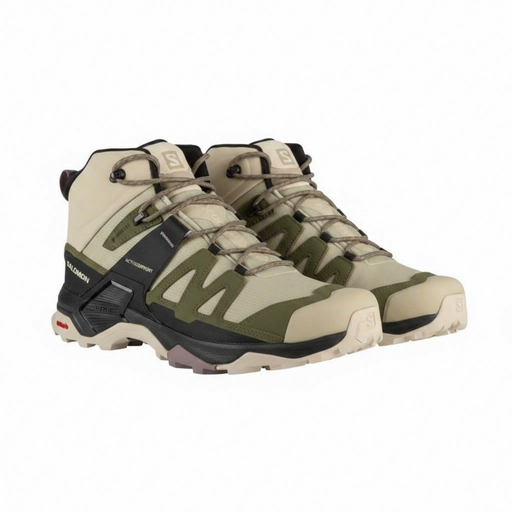
Why it suits this profile: The mid-cut design is intended for walking and provides more coverage around the ankle than a low-top trainer. The product information lists a GORE-TEX membrane, EnergyCell midsole and Contagrip MA sole.
The higher shaft, protected toe and heel areas and treaded sole are more clearly suited to walking routes than a fashionable low-top trainer.
Mid-cut design, GORE-TEX membrane according to the product description and Contagrip MA rubber outsole.
The lifespan of women’s shoes depends on use, the surface, body weight, walking style and care. Allow wet shoes to dry at room temperature and avoid direct heat sources. Remove mud with a soft brush and follow the label or packaging instructions. Check the sole regularly: when the tread becomes noticeably smooth or the upper starts to split, the shoes become less suitable for providing grip and protection.
Do not automatically use women’s trail running shoes as everyday footwear. An aggressive tread wears more quickly on tarmac. Conversely, a lightweight urban trainer usually provides insufficient protection on wet, uneven paths.
We have put together a complete, up-to-date list of products that fully meet these strict selection criteria and the applicable European safety regulations.
Measure both feet and use the size and foot-length information for the specific model. Also check the size advice: a Skechers model may come up large, while another model may fit true to size. Try on walking shoes with the socks you wear when walking.
It varies depending on use. Intensive daily walking, lots of tarmac and inadequate care accelerate wear. Pay particular attention to a sole that is becoming smooth, cracks in the upper and reduced support. With sports shoes, it may be sensible to replace them sooner when cushioning and stability noticeably change.
They can be, but it depends on the model. A waterproof membrane is useful in rain and on wet paths, while it is not always necessary for a light urban routine. Also check ventilation, weight, fit and care requirements. A trail or walking shoe may feel heavier in town than an ordinary trainer.
