
Vandaag of morgen in huis

Kwaliteit gegarandeerd

Welkomstaanbiedingen ontgrendelen: GRATIS bezorging | Tot 80% korting | Gratis 30 dagen JoyPlus-proefperiode
Download de app
A smoother silhouette under a dress, trousers or blouse starts with the right fit, not a flattering product photo. Women's shapewear varies widely, from light tummy support to a firming corset or a boned waist trainer.
There are a few common pitfalls to watch out for:
First, decide which area you’d like to shape and when you plan to wear the garment.
If you’re mainly looking for light support for everyday wear, you could also browse the tummy-smoothing category.
Light shaping is usually more comfortable for the office, travel or everyday wear. Medium or maximum compression is more suited to occasionwear or shorter periods of wear. A waist trainer with multiple layers and boning can offer extra structure, but feels less flexible than seamless women's shaping underwear.
Also check whether the compression is limited to your tummy or extends to your waist, back, thighs and bottom. For example, a firm tummy panel with soft leg openings may be more practical than an all-over tight-fitting garment.
Many styles combine nylon, polyester, latex and spandex. Nylon and spandex are generally stretchy, while latex can feel firmer. Always check the stated composition, as percentages vary between styles and sometimes even between versions of the same style.
Also look for:
A manufacturer may claim that a fabric is breathable or moisture-resistant. Treat this as a product feature stated in the description, not a guarantee that it will feel equally comfortable on every body type.
Measure your waist and hips using the size chart for the specific product. If you’re between sizes, the larger size is often more practical than the smaller one, particularly for styles with firm compression. Check the length too: a high-waisted style may end beneath your bust, while a bodysuit or mid-thigh style extends further down your body.
Adjustable straps, three rows of fastenings or multiple wraparound straps let you tailor the fit. This can be useful if you wear different outfits, but it doesn’t mean you can fully compensate for choosing the wrong size.
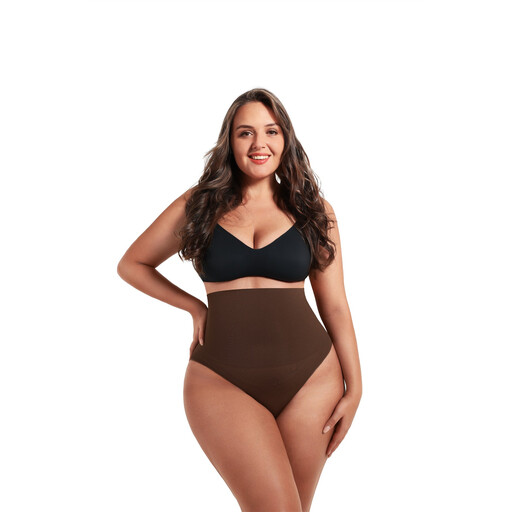
Why it suits this profile: This style offers light shaping for your tummy and bottom, with no boning or complicated fastenings. That makes it an easy choice for everyday wear.
The double tummy panel and elasticated leg openings are clearly described, so you don’t have to rely on marketing claims alone.
60% recycled nylon, light shaping, sizes up to 3XL/4XL and three listed colour options.
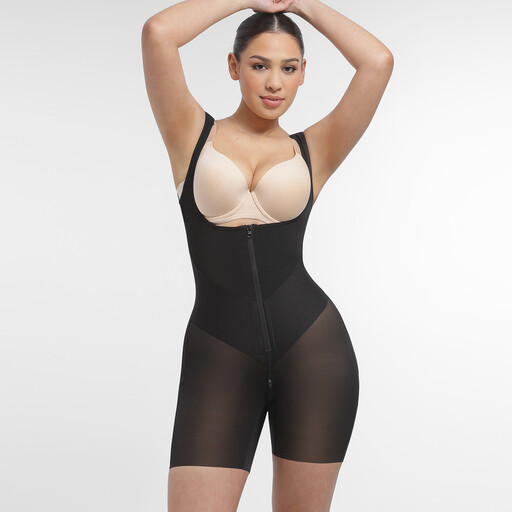
Why it suits this profile: This full-body style is designed for anyone wanting support for their tummy, waist, bust and bottom in one garment, for example under an occasion outfit.
The description specifies medium compression, adjustable shoulder straps and a zip fastening with hook-and-eye closure. This means you can check the key fit details in advance.
U-shaped bust support, three rows of adjustable straps, a wide waistband and a zip fastening at the gusset.
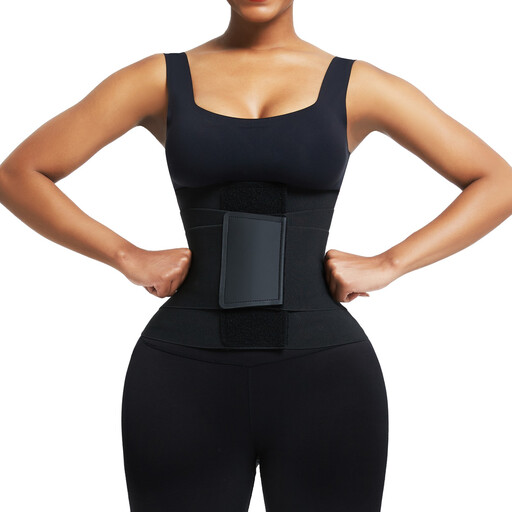
Why it suits this profile: This women's waist trainer is designed to provide firm, adjustable support around your tummy and waist for shorter periods of wear or during activities.
The product description specifically lists three layers, five stays, two adjustable straps and a composition of 35% latex and 65% polyester.
Maximum compression according to the product specifications, five stays and an adjustable fit. The claim about increased sweating comes from the manufacturer's product description.
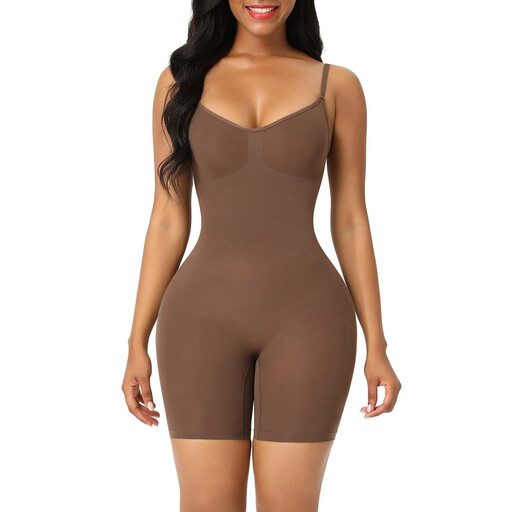
Why it suits this profile: This 3XL/4XL style combines tummy, thigh and bottom support. It’s designed to create a smooth line under everyday or workwear.
The size option, adjustable shoulder straps and seamless construction are listed. This helps you assess the fit and how visible it may be under clothing.
77% nylon and 27% spandex according to the product information, breathable stretch fabric, mid-thigh length and a crossover fastening.
We’ve put together a comprehensive, up-to-date list of products that meet these strict selection criteria and current European safety regulations.
It depends on the compression level, the fit and your own comfort. Start by wearing it for a short time and check that it doesn’t roll up, rub or dig in. Take it off if you experience pain, numbness, skin irritation or difficulty breathing. A waist trainer with maximum compression is generally less suitable for prolonged everyday wear than light shaping.
A waist trainer can temporarily shape the appearance of your waist while you’re wearing it. Some brands claim that it can increase sweating, but this isn’t proof of lasting weight loss. So think of a waist trainer as a garment for support and shaping, not a substitute for exercise, a balanced diet or medical advice.
Always follow the care label. Many styles in this category need to be hand-washed, must not be bleached and should be dried flat or hung up in the shade. Avoid wringing them out, tumble-drying and high temperatures. This helps preserve the elasticity and reduces the risk of seams or fastenings losing their shape.
