
Vandaag of morgen in huis

Kwaliteit gegarandeerd

Welkomstaanbiedingen ontgrendelen: GRATIS bezorging | Tot 80% korting | Gratis 30 dagen JoyPlus-proefperiode
Download de app
The right women’s running shoes depend on more than brand or appearance. A shoe that feels comfortable on a short walk may feel too warm, too stiff or insufficiently stable during regular training. Marketing terms such as ‘extra cushioning’ and ‘suitable for all terrain’ only mean something when you know what construction lies behind them.
In this guide, you’ll find out what to look for and which models suit different running styles.
A smooth outsole can work well on tarmac, but usually offers less grip on mud, loose stones or wet woodland paths. Conversely, deep trail lugs can feel unnecessarily heavy on the road and wear down more quickly. So first decide where you usually run: tarmac, park paths, woodland trails or technical terrain.
A soft midsole can feel comfortable, but comfort is personal. For short everyday runs, a simpler construction may be enough. For long-distance running shoes, fit, sufficient cushioning and a stable roll-through are just as important. More foam doesn’t automatically mean a shoe is better suited to your running style.
Your feet may swell slightly during a longer training session. Shoes that are too tight can put pressure on your toes, while too much room can cause your feet to slide around. Measure both feet, compare their length with the size chart and take the thickness of your running socks into account. Also check that the heel is held securely without feeling tight.
The midsole largely determines how a shoe feels. Models made with EVA or similar foams are often designed for cushioning and everyday use. The adidas Runfalcon 5, for example, uses a Cloudfoam midsole, while the Nike Pegasus Trail 3 is described as having a React foam midsole.
When comparing shoes, look at:
For neutral women’s running shoes, a natural, non-corrective fit is often the starting point. If you have specific foot or running issues, seek personalised advice from a qualified healthcare professional or running specialist.
The outsole should suit the surface. For women’s road running shoes, a relatively flat tread is usually practical. For trail running, the rubber compound and lugs matter more. According to the product description, deep, multidirectional lugs can help with grip on soft or mixed terrain, but no outsole guarantees grip in all weather conditions.
If you’re looking for women’s trail running shoes for muddy paths, check:
According to the product information, Salomon Speedcross models have a Contagrip TA outsole with deep grooves. This makes them particularly worth considering for softer and mixed terrain, but not automatically for long road runs.
A mesh upper can help with airflow and keep weight down. For dry summer days, comfortable women’s running shoes with breathable mesh are often a good choice. If you regularly run through wet grass, mud or rain, you could consider women’s running shoes with GORE-TEX.
According to the product description, a GORE-TEX membrane helps with water resistance and breathability. This doesn’t mean you should automatically consider the shoe fully waterproof: water can get in through the opening, laces or over the top of the shoe, for example. A membrane can also feel warmer than open mesh.
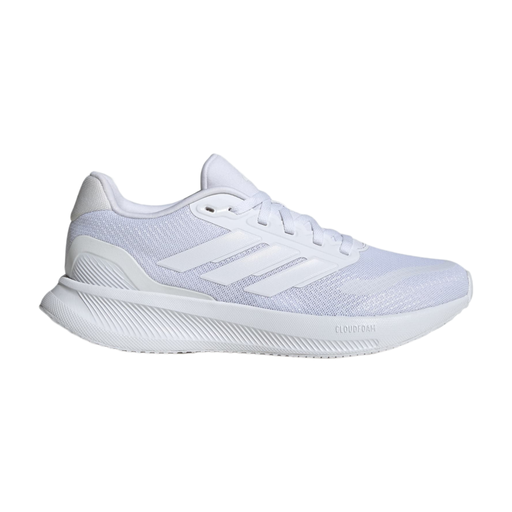
Why it suits this running style: The mesh construction, responsive cushioning and flexible outsole make it a good fit for everyday training and recreational runs on paved paths.
The product description doesn’t mention use on technical terrain. This makes it clearer that this model is best suited to everyday runs on paved routes.
Lightweight mesh upper and responsive cushioning; suitable for everyday use and short distances.
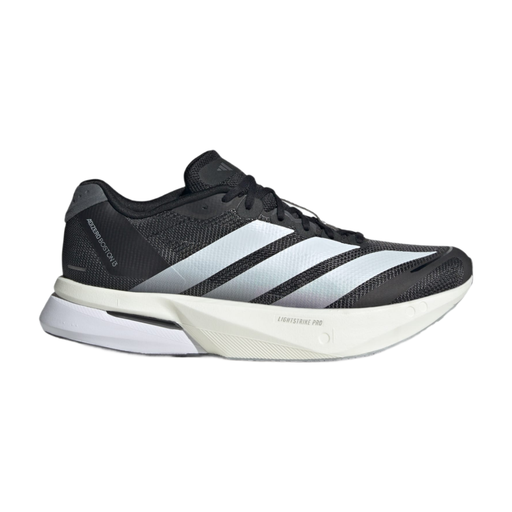
Why it suits this running style: According to the product description, this model is designed for training and racing, with Lightstrike Pro foam, Energy Rods and a Continental rubber outsole.
Its technical features are clearly specified. Before choosing this model for easy runs, check that its firm, responsive ride suits your preference.
Lightstrike Pro midsole; Energy Rods; Continental rubber, according to the product details.
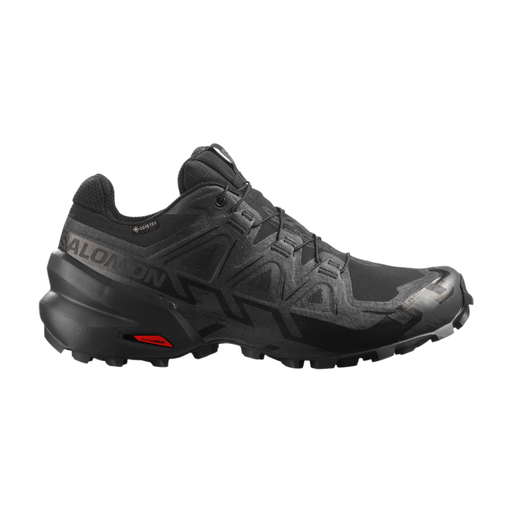
Why it suits this running style: For trail runners who often tackle soft, muddy or uneven paths, this model combines a GORE-TEX membrane with an aggressive Contagrip tread and Quicklace, according to the product information.
The deep lugs and membrane make its intended use clear. Don’t choose this model solely for its water-resistant material if you mainly run on tarmac.
GORE-TEX membrane; Contagrip outsole with an aggressive tread; Quicklace system.
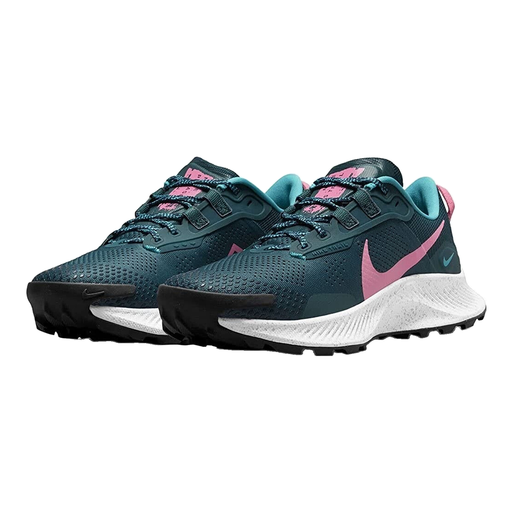
Why it suits this running style: According to the product description, this model is designed for trail running, city routes and mixed terrain, with React cushioning, mesh and multidirectional lugs.
Its stated uses are broad, but not unlimited. For very muddy trails, check in advance that the lug pattern is suitable for your route.
React foam midsole; breathable mesh; rubber outsole with multidirectional lugs.
After a wet training session, clean your running shoes with a soft brush or damp cloth. Let them dry at room temperature and avoid radiators, hairdryers and washing machines. If you cover a lot of training miles, consider alternating between two pairs so the materials have time to recover.
Don’t rely on a fixed mileage figure alone. Replace a pair when the outsole shows uneven wear, the upper starts to come away or the cushioning feels noticeably different. Under the stated EU consumer rules, these products have a minimum two-year legal guarantee; additional rights may apply under national law.
We’ve put together a complete, up-to-date list of products that meet these strict selection criteria and the applicable European safety requirements.
It depends on how often you run, the surface, your body weight and the wear on the shoes. Check the tread, whether the wear is even and how the shoes feel when you run. A shoe that has lost its grip or shape needs replacing, even if the upper still looks in good condition.
They can be, especially for rainy routes, wet grass and muddy paths. On warm days, a closed membrane may feel less breathable than mesh. Choose GORE-TEX based on your climate and running environment, not just the product name.
You can on mixed routes, but comfort and wear depend on the lug pattern. For mainly tarmac routes, models with a road-focused outsole are usually more practical. For woodland, gravel and mud, women’s trail running shoes with more grip are generally the better choice.
