
Vandaag of morgen in huis

Kwaliteit gegarandeerd

Welkomstaanbiedingen ontgrendelen: GRATIS bezorging | Tot 80% korting | Gratis 30 dagen JoyPlus-proefperiode
Download de app
Choosing the right women’s running shoes seems straightforward, until you have to decide between soft cushioning, plenty of grip, low weight and water resistance. A shoe that feels comfortable during a short walk is not automatically suitable for long distances or muddy paths.
Pay particular attention to three common pitfalls:
The midsole largely determines how the shoe feels. EVA foam is often used for a lightweight construction and cushioning. Other models use proprietary foams, such as React, EnergyFOAM or Lightstrike Pro.
For cushioned running shoes, the combination of materials and fit is particularly important. A soft sole feels comfortable during an easy run, but may respond less directly. A firmer or more responsive model may be better suited to tempo sessions, although it will not feel comfortable for everyone.
So look at:
For running shoes for asphalt, a rubber sole with a relatively flat tread is usually sufficient. On gravel, woodland paths and wet surfaces, larger grooves or lugs are more useful. With running shoes for off-road terrain, also check whether the toe and heel have been reinforced.
A trail sole with aggressive lugs is not automatically comfortable on long stretches of asphalt. Conversely, a road-running shoe may slip more easily on loose earth. If you regularly switch between town and woodland, consider a hybrid road-to-trail model.
Lightweight running shoes can feel comfortable during longer training sessions or when you want a nimble feel. A thin mesh upper usually offers better breathability, but does not provide the same protection from rain and puddles as a model with a membrane.
With women’s waterproof running shoes, it is important to distinguish between water resistance and complete waterproofing. According to the product description, a GORE-TEX membrane can help keep water out, but water may still enter through the opening or above the sole. A water-resistant model can be practical in wet grass, while a highly breathable mesh model may be better suited to dry, warm weather.
Measure your feet at the end of the day, when they often have slightly more volume. Place both feet on a sheet of paper and measure from the heel to the longest toe. Then use the size chart for the specific model.
When trying them on, check for:
The PELLIOT Running Shoes product information states that this model fits true to size. A slim version is listed for narrower feet, while a standard version is listed for standard or wider feet. Always check the available variant and size chart on the product page.
The selection below is based on verifiable information from the product descriptions, such as sole material, upper, fastening and recommended surface.
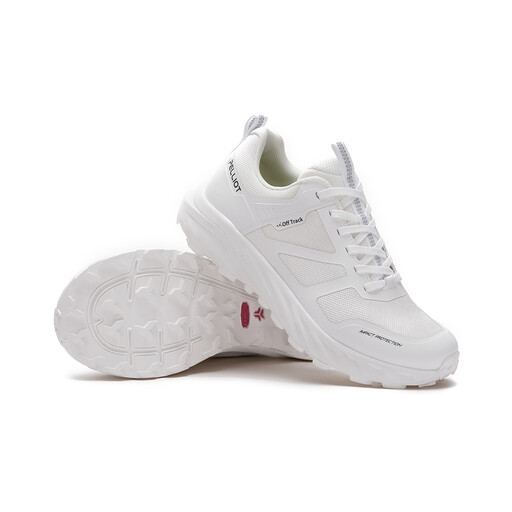
Why it suits this profile: This model is designed for use on everything from urban surfaces to paths and features a lightweight sandwich-mesh and woven upper. This makes it suitable for beginners looking for one pair for running, walking and mixed terrain.
The product information lists both an EVA midsole and a ROCKYTEC rubber outsole. However, check whether the standard or slim version is right for your feet.
Lightweight upper, EVA foam and a tread which, according to the description, is designed for wet rocks, mud and loose sand.
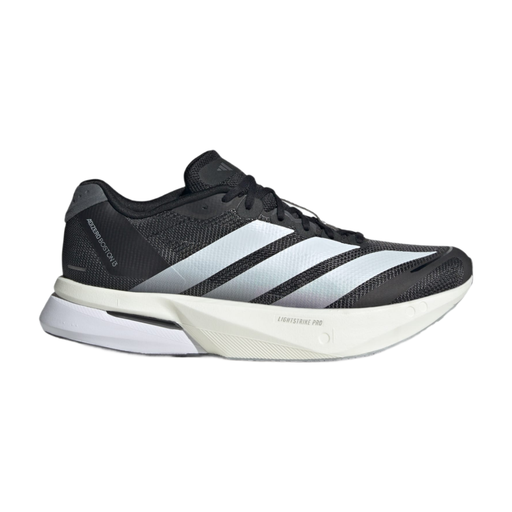
Why it suits this profile: According to the product description, this model is intended for training and racing. It focuses on low weight, a secure fit and a responsive running feel.
The specifications mention Lightstrike Pro, Energy Rods and a Continental rubber outsole. This makes it clear that it is primarily a road-running shoe, not a trail shoe.
Technical mesh, a Lightstrike Pro midsole and a lace fastening for a secure fit during faster running.
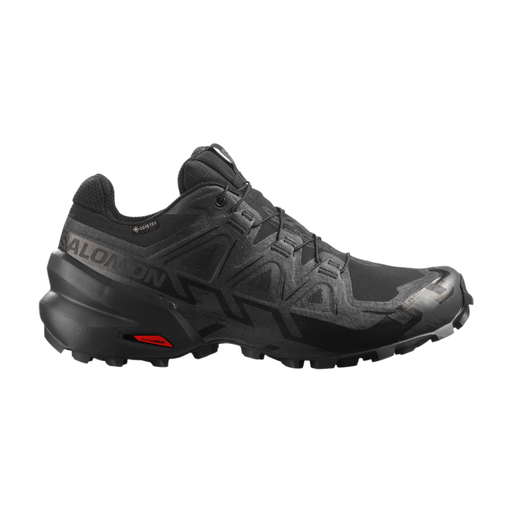
Why it suits this profile: This model is specifically designed for trail running and wet, loose or technical terrain. The combination of GORE-TEX, Contagrip and Quicklace is well suited to changing Dutch weather conditions.
The deep Contagrip lugs are paired with a clearly defined trail profile. This makes the intended use less ambiguous than with a shoe that merely states “all-terrain”.
GORE-TEX membrane according to the product description, women’s fit, EVA midsole and Quicklace system.
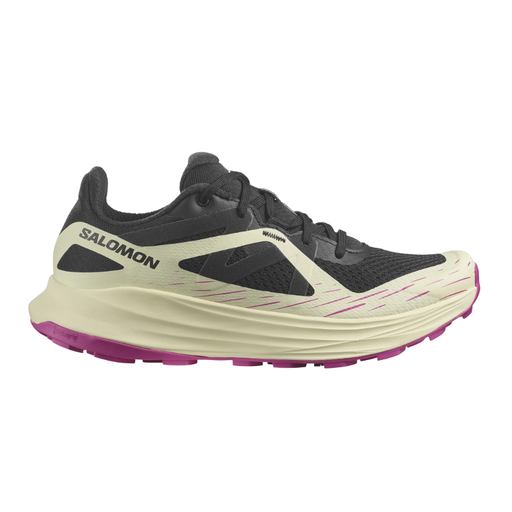
Why it suits this profile: The product information describes this model as suitable for the transition between asphalt and trail. This makes it practical for routes that start in town and continue on gravel or woodland ground.
The intended use is clearly described as road and trail. Even so, check that the sole provides enough grip for your particular woodland paths.
Soft EVA cushioning, a higher sole profile and a rubber outsole with tread for mixed terrain.
We have put together a complete, up-to-date list of products that fully meet these strict selection criteria and the applicable European safety regulations.
Use this quick checklist before ordering:
Their lifespan depends on running distance, body weight, surface, fit and maintenance. Do not focus only on a fixed number of kilometres. Replace a pair when the sole shows visibly uneven wear, the cushioning feels noticeably less effective or the upper no longer provides a stable fit.
Often, yes, particularly when the fit is comfortable and the sole is not designed too specifically for speed or technical trails. For everyday walking, models with a firmer outsole and hard-wearing upper may be more practical. Also check the weight if you plan to wear the shoes all day.
Not always. A membrane can help in rain and wet grass, but a completely waterproof experience is not guaranteed if water enters through the collar. In warm weather, a well-ventilated mesh model may feel more comfortable. Choose water resistance primarily if you regularly run trails, walk or train outdoors in wet conditions.
