
Vandaag of morgen in huis

Kwaliteit gegarandeerd

Welkomstaanbiedingen ontgrendelen: GRATIS bezorging | Tot 80% korting | Gratis 30 dagen JoyPlus-proefperiode
Download de app
Finding the right running shoes can feel like a marathon in itself. The market is flooded with marketing jargon, flashy designs, and promises of revolutionary technology. As a Joybuy Product Recommendation Officer, I'm here to help you cut through the noise. We'll focus on what truly matters, so you can choose a shoe that fits your running style and goals without wasting money on unnecessary extras.
Before we look at recommendations, let's first discuss the most common pitfalls.
To avoid a bad purchase, it's important to understand a few technical specifications. These aren't complicated details, but practical features that make all the difference.
The surface you run on determines the amount and type of cushioning you need.
A good fit is more than just the right shoe size. The shoe must hold your foot securely in place without pinching. Technologies like SensiFit essentially envelop the foot, providing a stable and secure feel. This prevents your foot from sliding inside the shoe, which can lead to blisters and instability.
The outsole is the foundation of your shoe. For road running, a relatively flat, durable rubber sole is sufficient. For women's trail running shoes, deep lugs are essential for grip on mud, rocks, and loose ground.
Different rules apply for indoor sports. Women's volleyball shoes, such as some models from Joma sports shoes, have a non-marking rubber sole designed for maximum grip during quick, lateral movements on an indoor court.
Below is a selection of shoes tailored to different types of runners and athletes. We've matched them to specific needs to help you make an informed choice.
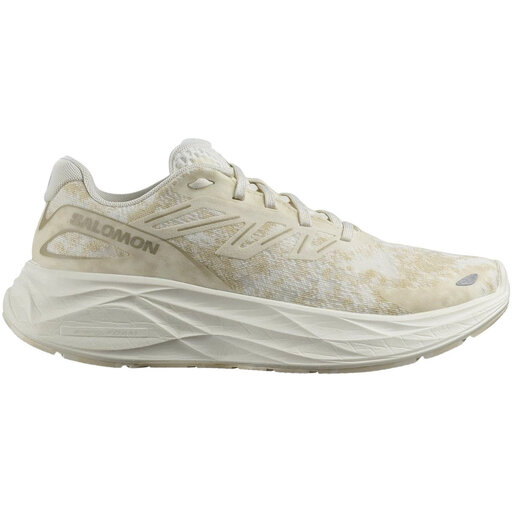
Why This Fits Their Persona: Ideal for those who regularly run on hard surfaces like asphalt and sidewalks. This shoe is designed for comfort during daily training in an urban environment.
This shoe bypasses the 'one-size-fits-all' pitfall by being specifically designed for hard surfaces, with cushioning tailored accordingly.
The thick rubber outsole offers durability and grip, while the advanced cushioning ensures comfort and stability, mile after mile.
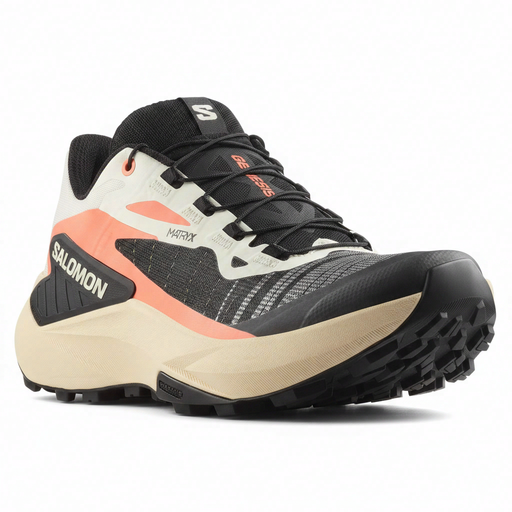
Why This Fits Their Persona: Suitable for the runner who leaves the beaten path for technical, rocky, or mixed trails. This shoe is built for durability and performance in challenging conditions.
This model avoids the mistake of using a standard shoe on uneven terrain. The robust Matryx upper and deep lugs provide the protection and grip essential for safety.
Offers high grip on technical terrain thanks to the sole with 4.5 mm lugs. The upper is durable yet breathable.
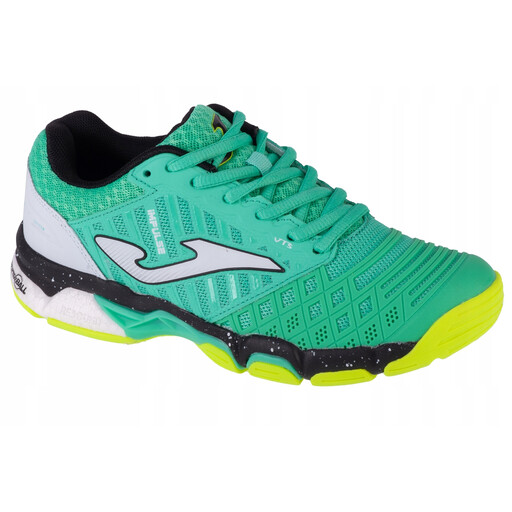
Why This Fits Their Persona: Perfect for women who play intensive indoor sports like volleyball and need a shoe designed for quick, lateral movements, jumps, and stability.
This shoe avoids the pitfall of wearing running shoes indoors. The sole is made for grip on indoor floors, and the shoe provides the lateral support needed for agility.
According to Joma, technologies like Pulsor cushioning and Reactive Ball provide shock absorption and responsiveness. The durable rubber outsole offers stability and grip.
We have compiled a complete, up-to-date list of products that meet these strict selection criteria and local regulations.
A general guideline is to replace running shoes after 500 to 800 kilometers. Look for clear signs of wear, such as a worn-out tread on the outsole or creases in the cushioning material. If the shoes feel "flat" or if you notice new aches and pains after running, it's probably time for a new pair.
You can for short distances, but it's not ideal. The lugs on the outsole of trail shoes wear down quickly on asphalt, and the running experience can feel stiff and uncomfortable. It's better to use each shoe for the surface it was designed for.
Running shoes are designed for a forward, repetitive motion and provide cushioning tailored to the heel-to-toe landing. Volleyball shoes, on the other hand, are made for quick, lateral movements, jumps, and abrupt stops. They offer more lateral stability and have a sole optimized for grip on a smooth indoor court.
