
Vandaag of morgen in huis

Kwaliteit gegarandeerd

Welkomstaanbiedingen ontgrendelen: GRATIS bezorging | Tot 80% korting | Gratis 30 dagen JoyPlus-proefperiode
Download de app
A ring may look appealing online, but details such as the material, size and finish will determine whether you’re still happy with it months later. This applies to a women’s silver ring, a design with a lab-grown diamond and a gold-coloured ring. Use the checks below to compare women’s rings more practically and make sure attractive product photos don’t overshadow the most important information.
A gold-coloured ring can be made from various materials. For example, the range includes designs made from copper with an electroplated finish. That’s different from a women’s ring made from solid gold. Always check:
A gold-coloured ring can be an affordable fashion choice, but contact with perfume, pool water, seawater and cleaning products can wear down the finish more quickly.
Labels such as 1 ct, 2 ct or 2,55 ct refer to the stated carat weight of the stone or combination of stones. They don’t automatically tell you anything about durability, the setting or the colour. If you’re choosing a ring with a lab-grown diamond, check that the stone is lab-grown rather than a natural diamond.
You should also check the product information for a ring with cubic zirconia. Cubic zirconia is a different material from a lab-grown diamond. A larger stone may also protrude further, making it more likely to catch on clothing.
A ring size such as 51, 53, 54 or 55 isn’t universally ‘about right’. The fit depends on your finger, the width of the band and the temperature of your hands. It’s best to measure at the end of the day, when your fingers aren’t unusually cold. Then compare the size with a ring that fits comfortably.
An adjustable open ring gives you more flexibility, but it should still fit comfortably. Bending it too often can damage its shape or plating.
A 925 silver ring is made, according to the marking, from 92.5% silver, with the remainder consisting of other metals. Look for a clear statement of the material and check whether the product page includes a hallmark or other relevant information. ‘Silver-coloured’ doesn’t mean the same as sterling silver.
For gold-coloured designs, it’s important to distinguish between a silver base, copper and gold-coloured plating. A product title may describe the colour, but that doesn’t automatically tell you what the ring is made of. Read the specifications rather than relying on the photo alone.
Look at the combination of:
A halo ring usually has a central stone surrounded by smaller stones. This creates a fuller design, but there may also be more edges and gaps where dirt can collect. A classic ring with a single central stone is often easier to pair with other jewellery.
Jewellery worn regularly benefits from simple care. Take your ring off for sports, swimming, showering and housework if the product information recommends it. Store rings separately in a pouch or jewellery box to help prevent scratches and contact with other metals.
For plated designs, a soft, dry cloth is more suitable than abrasive cleaners. If you have an adjustable design, check occasionally that the open ends haven’t become bent.
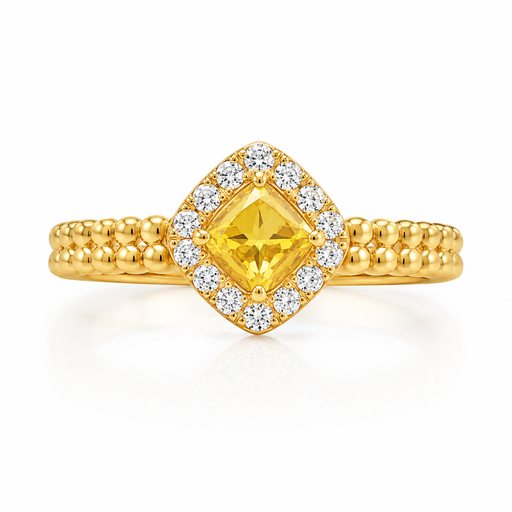
Why it suits this type of wearer: The open design and adjustable size make this ring a good option if you’re not yet sure of your exact ring size. Its geometric design works well with casual and everyday outfits.
The product information explicitly describes an open, adjustable design and cubic zirconia. So you won’t mistake the gold colour for solid gold.
Open, adjustable design, gold-coloured finish and a stated weight of around 2.8 grams.
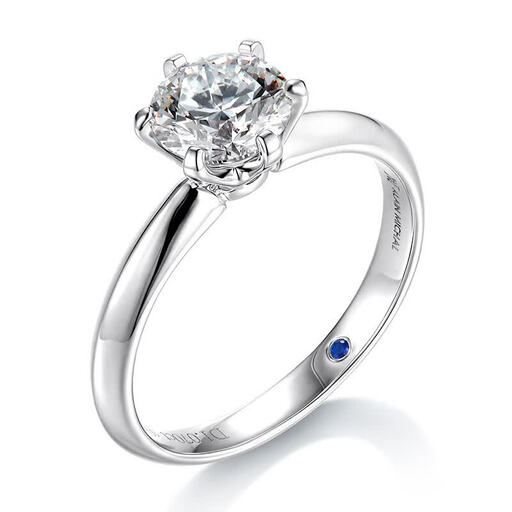
Why it suits this type of wearer: This classic design is for anyone who values clear information about the material and a understated look for everyday wear or a special occasion.
The product title specifies 925 silver, a lab-grown sapphire and a 1-carat lab-grown diamond. Be sure to check all the latest specifications and the size on the product page.
925 silver specification, classic shape and a combination of lab-grown sapphire and lab-grown diamond.
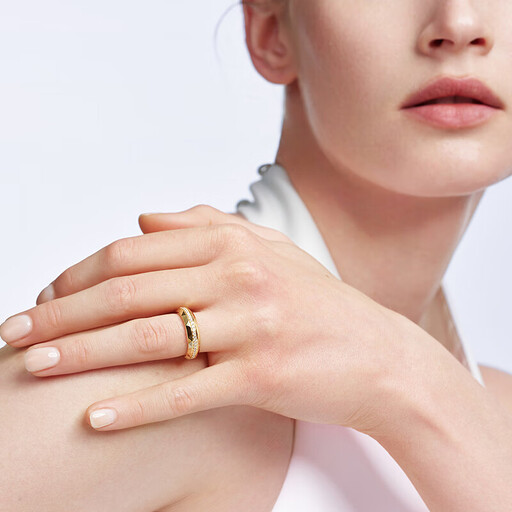
Why it suits this type of wearer: The fixed size 54 is a good choice if you know your ring size and prefer a sleek, linear design to an adjustable style.
The size is included in the product name, and the stone is described as a lab-grown diamond. This makes it easy to check the size and stone type in advance.
Fixed size 54, a silver-coloured base with a yellow colour specification, and a single-line design set with a lab-grown diamond.
We’ve put together a complete, up-to-date list of products that meet these strict selection criteria and the applicable European safety regulations.
Choose a ring with clearly stated information about its material, size and care. A classic design in a fixed size can be a good choice if you know your ring size. An adjustable open ring offers more flexibility, but needs to be handled with care. Take your jewellery off around water and chemicals, and during strenuous exercise, if the product information recommends it.
Lab-grown diamonds and cubic zirconia are different types of stone. A lab-grown diamond is made from diamond material, while cubic zirconia is a separate jewellery material with a different composition. So don’t compare carat weight alone: check the stated stone type and setting as well.
That depends on the base material, the thickness of the plating, exposure to moisture and how you wear the ring. The product information for the gold-coloured designs warns that perfume, seawater, pool water and detergents can damage the finish. Keep the ring dry, wipe it gently and avoid unnecessary contact with chemicals.
